
What Is a Full Spectrum Grow Light?
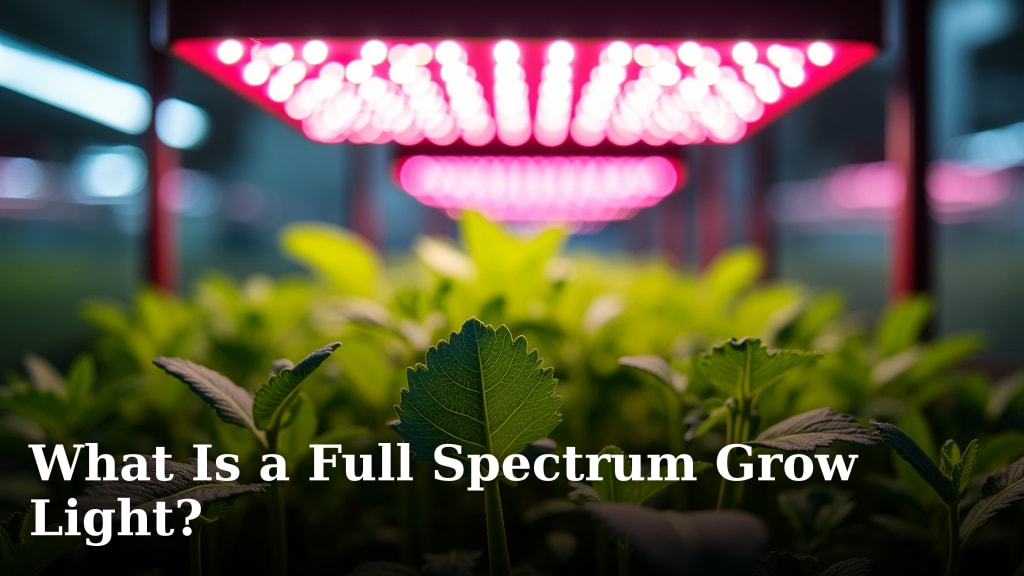
A full spectrum grow light is an artificial light source that emits light across the entire electromagnetic spectrum, mimicking natural sunlight. This means it provides all the light wavelengths plants need for healthy growth, from seedling to harvest. Think of it as bringing the sun indoors for your plants.
These specialized lights are designed to replicate the varied light conditions found outdoors, ensuring your plants receive the optimal energy for photosynthesis. You might be surprised at the difference a good grow light can make, especially if you’re growing indoors or extending your growing season. We found that choosing the right light can truly transform your indoor garden.
- Full spectrum lights mimic natural sunlight.
- They provide all necessary wavelengths for plant growth.
- These lights support photosynthesis throughout all plant stages.
- Ideal for indoor growing and extending growing seasons.
- Can significantly improve plant health and yield.
Ready to give your plants the best possible light? Let’s walk through everything you need to know about what a full spectrum grow light is and how it benefits your plants.
Understanding Full Spectrum Grow Lights
You’ve heard the term “full spectrum,” but what does it really mean for your plants? Simply put, these lights aim to give your plants the full range of light wavelengths they would get from the sun. This isn’t just about brightness; it’s about the quality of light your plants absorb.
Imagine going outside on a sunny day. You see all sorts of colors, right? Red, orange, yellow, green, blue, indigo, violet. These are all parts of the visible light spectrum. Full spectrum grow lights try to replicate this natural sunshine indoors, providing everything your plants need to thrive, not just survive.
The Science Behind the Sunlight Mimicry
Plants don’t just use visible light for growth. They respond to different wavelengths in unique ways. Think of it like a plant’s menu; they need a balanced diet of light to be healthy.
Full spectrum lights include wavelengths from across the entire photosynthetic active radiation (PAR) spectrum. This includes vital reds and blues, but also greens, yellows, and even some UV and infrared light. We found that this broad coverage is key to optimal plant development (NCBI).
Beyond Red and Blue: Why Other Colors Matter
Many early grow lights focused mainly on red and blue light. Why? Because these colors are known to drive photosynthesis and affect flowering (red) and vegetative growth (blue). But plants are more complex than that. They respond to the entire spectrum.
Green light, for example, penetrates deeper into the plant canopy, reaching lower leaves. Yellow and orange light also contribute to photosynthesis. It’s like a symphony; every instrument plays a role in the overall beautiful sound. A truly effective grow light provides all these “instruments.”
Key Benefits of Using Full Spectrum Grow Lights
So, why should you choose a full spectrum light over a basic one? The advantages are numerous and directly impact your plants’ health and your eventual harvest. You want your plants to be strong, healthy, and productive, right? Full spectrum lights help achieve that.
They provide the diverse light conditions needed for every stage of a plant’s life cycle. This means less guesswork for you and more vigorous growth for your plants.
Promoting Healthy Plant Growth Stages
From a tiny seed to a mature, fruiting plant, each stage has different light requirements. A full spectrum light supports all of these needs seamlessly. You won’t have to switch lights as your plants grow.
- Seedling Stage: Gentle, broad spectrum light helps seedlings establish strong roots and healthy initial leaf development.
- Vegetative Stage: The balanced light promotes robust leaf and stem growth, building a strong foundation.
- Flowering/Fruiting Stage: Adequate red and far-red light, present in full spectrum, helps trigger and sustain abundant flowering and fruit production.
Enhanced Photosynthesis and Nutrient Absorption
Photosynthesis is how plants make their food, and light is the energy source. With a full spectrum light, your plants get the precise wavelengths they need to maximize this process. We found that better light leads to more efficient energy conversion.
When photosynthesis is working optimally, plants are better able to absorb and utilize nutrients from their soil. Think of it as giving your plants a turbo boost, making them stronger and more resilient. This leads to healthier plants overall.
Improved Plant Morphology and Yield
What does “morphology” mean? It refers to the plant’s shape and structure. Full spectrum light helps plants grow with stronger stems, bushier foliage, and a more natural appearance. They don’t stretch or look pale, which can happen with inadequate lighting.
Ultimately, all these benefits lead to a higher quality and quantity of yield. Whether you’re growing herbs, vegetables, or flowers, you’ll likely see more vibrant colors, better flavor, and larger harvests. This is often the goal for any indoor gardener, isn’t it?
Types of Full Spectrum Grow Lights Available
Not all full spectrum lights are created equal, even though they share the same goal. You have choices when it comes to the technology powering these lights. Each type has its own pros and cons, which can influence your decision based on your budget, growing space, and specific needs.
We’ve researched the most common types so you can make an informed choice. It’s about finding the right fit for your indoor garden.
LED Full Spectrum Grow Lights
Light Emitting Diodes (LEDs) are currently the most popular choice for full spectrum grow lights, and for good reason. They offer incredible efficiency and customization. Many growers swear by their results.
LEDs allow manufacturers to precisely tune the spectrum of light emitted. This means you get exactly what your plants need, often with less wasted energy. They also tend to have a long lifespan, saving you money in the long run.
| Pros | Cons |
|---|---|
| Highly energy-efficient | Higher initial cost |
| Long lifespan | Can generate some heat |
| Tunable spectrum options | Quality varies between brands |
| Minimal heat output (compared to HPS) |
Fluorescent Full Spectrum Grow Lights (T5s)
Fluorescent lights, particularly T5 high-output bulbs, can also provide a full spectrum. They are often a good starting point for beginners or those with smaller grow spaces. They offer a gentler light intensity.
These lights are typically less expensive upfront than LEDs. However, they are less energy-efficient and don’t last as long. You might use these for seedlings or leafy greens that don’t require intense light.
High-Intensity Discharge (HID) Full Spectrum Grow Lights
HID lights, like Metal Halide (MH) and High-Pressure Sodium (HPS) bulbs, have been staples in the grow light world for decades. While not inherently full spectrum on their own, specific combinations or specialized bulbs can achieve a broader spectrum.
MH bulbs are strong in the blue spectrum, good for vegetative growth. HPS bulbs are strong in the red/orange spectrum, ideal for flowering. Some growers use both or specialized “full spectrum” HID bulbs. They produce a lot of heat and use more electricity, which are important considerations for you.
Choosing the Right Full Spectrum Grow Light
With so many options, how do you pick the best full spectrum grow light for your setup? It boils down to a few key factors that are unique to your growing situation. Don’t just grab the first one you see; take a moment to consider what you really need.
Thinking about these points will help you narrow down the choices and find a light that truly benefits your plants and your wallet.
Factors to Consider Before Buying
Before making a purchase, ask yourself these questions. Your answers will guide you toward the most appropriate light. We recommend a little planning goes a long way here.
Consider your plants’ needs, your budget, and your growing environment. Each plays a vital role in your final decision.
Grow Space Size and Plant Type
How big is your grow area? A small tent needs different lighting than a large grow room. The number and type of plants you’re growing also matter. High-light plants (like tomatoes) need more intensity than low-light plants (like lettuce).
Match the light’s coverage area and intensity to your specific needs. Over-lighting or under-lighting can both harm your plants, so finding that balance is important.
Budget and Energy Efficiency
While the initial cost is a factor, also think about long-term energy consumption. LEDs might cost more upfront but save you money on electricity bills over time. It’s like buying a fuel-efficient car; the long-term savings add up.
What are you willing to spend both now and in the future? This helps balance your desire for efficiency with your financial limits.
Checklist for Your Full Spectrum Grow Light Purchase
To help you organize your thoughts, here’s a quick checklist to review before you buy. This ensures you’ve considered all the important details.
- Is the light truly full spectrum (check manufacturer’s specs)?
- Does its coverage area match your grow space dimensions?
- Is its intensity appropriate for your specific plants?
- What is its power consumption (watts)?
- How long is the manufacturer’s warranty?
- Are there dimmable options or spectrum adjustments?
Conclusion
Choosing a full spectrum grow light means giving your plants the best chance to thrive indoors. You’re replicating natural sunlight, ensuring they receive all the vital wavelengths needed for strong growth, enhanced photosynthesis, and impressive yields. We’ve seen how these lights support every growth stage, from tender seedlings to bountiful harvests.
By understanding the different types and considering your specific needs, you can select a light that fits your budget and growing space perfectly. Don’t settle for less; invest in a full spectrum light, and watch your indoor garden flourish like never before. Your plants will thank you with vibrant health and abundant production.
Frequently Asked Questions
Are full spectrum grow lights necessary for all indoor plants?
While not strictly “necessary” for all plants to survive indoors, full spectrum grow lights significantly improve the health and yield of most indoor plants. They provide a balanced light profile that promotes natural growth and development, which basic grow lights often miss.
Can full spectrum grow lights replace sunlight entirely?
Yes, full spectrum grow lights are designed to entirely replace natural sunlight for indoor cultivation. They provide all the wavelengths plants need for photosynthesis and proper development, allowing you to grow plants successfully without any natural light exposure.
Do full spectrum grow lights use more electricity?
The electricity usage of full spectrum grow lights varies by type and intensity. While some, like HIDs, can be power-hungry, modern LED full spectrum lights are highly energy-efficient. They can actually save you money on electricity compared to older lighting technologies.
How far should a full spectrum grow light be from my plants?
The ideal distance depends on the light’s intensity and your plants’ growth stage. Generally, LED full spectrum lights are hung 12-36 inches above the canopy. Always check the manufacturer’s recommendations for your specific model to avoid light burn or insufficient lighting.
What’s the difference between “full spectrum” and “broad spectrum” grow lights?
“Full spectrum” typically refers to lights that emit across the entire visible and some UV/IR range, closely mimicking sunlight. “Broad spectrum” can sometimes be used more loosely, referring to lights that cover more than just red and blue but may not include the full range of wavelengths found in true full spectrum options.
