
How to Grow Cannabis Indoors for Beginners?
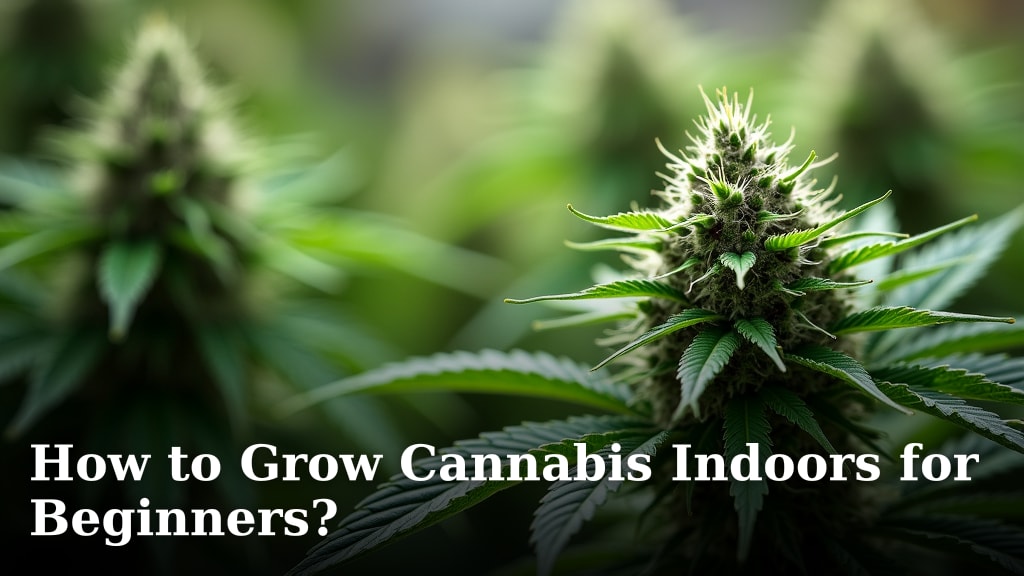
To grow cannabis indoors, you need to provide the right environment: good lighting, proper air circulation, and a controlled temperature. You will be able to cultivate your own cannabis by understanding a few basic steps and some essential equipment. It’s a rewarding journey for many.
Many new growers wonder if they can really achieve great results at home. We found that with some careful planning and a little patience, growing cannabis indoors is very achievable, even for those with no prior gardening experience. You’ll be surprised how quickly you can master the process and enjoy your own homegrown buds.
- Start with the right equipment for your space.
- Choose suitable cannabis strains for indoor growing.
- Learn about lighting, watering, and nutrient needs.
- Monitor your plants for health and common issues.
- Harvest and cure your cannabis for best quality.
So, are you ready to start your indoor cannabis growing adventure? Let’s walk through exactly how to grow cannabis indoors, step by step.
Setting Up Your Indoor Cannabis Garden
Starting your indoor cannabis garden means getting your space ready. You need to create an environment where your plants will thrive. This involves selecting the right equipment and understanding what each piece does for your plants.
Think of it like setting up a small science lab. Every component has a job. We found that a good foundation makes all the difference in your final harvest.
Choosing Your Grow Space
Where will your plants live? This is your first big decision. A spare closet, a tent, or even a dedicated room can work. Consider the size of your plants and how many you want to grow.
You need enough room for your plants to grow upwards and outwards. Airflow is also key, so don’t pick a spot that’s too cramped. We recommend leaving at least 1-2 feet of space around your plants for good circulation.
Grow Tents vs. Dedicated Rooms
Grow tents are popular for beginners. They are relatively inexpensive and easy to set up. Tents come in various sizes and help you control the environment well.
A dedicated grow room offers more space and customization. However, it requires more effort to seal off light and control temperature. For most first-timers, a grow tent is an excellent choice (National Institutes of Health).
Essential Equipment You’ll Need
You don’t need a huge budget to start. But some items are non-negotiable for success. These pieces work together to mimic nature indoors.
Don’t skimp on the basics. Poor equipment can lead to poor plant health and smaller yields. Investing upfront saves you headaches later.
- Grow Lights: Essential for photosynthesis.
- Ventilation System: Moves air, controls temperature.
- Growing Medium: Where your roots will anchor.
- Nutrients: Food for your plants.
- Pots: Containers for your plants.
- Thermometer/Hygrometer: Monitors temperature and humidity.
Understanding Grow Lights
Lights are the sun for your indoor plants. They power growth. You have several options, each with pros and cons.
LED grow lights are very popular now. They are energy-efficient and produce less heat. HID lights (High-Intensity Discharge) are also effective but use more power and generate more heat. Fluorescent lights work for seedlings but are less powerful for flowering plants.
| Light Type | Pros | Cons |
|---|---|---|
| LED | Energy-efficient, low heat, long lifespan | Higher upfront cost |
| HID (HPS/MH) | Powerful, good yields | High heat, higher electricity use, shorter lifespan |
| Fluorescent (CFL/T5) | Low heat, inexpensive | Less powerful, good for seedlings only |
For beginners, we often recommend a good quality LED light. It offers a balance of efficiency and performance.
Planting and Initial Care for Your Cannabis
Once your setup is ready, it’s time for the exciting part: planting! This stage sets the foundation for your plant’s life. Think of it as sending your plant to kindergarten.
Good care in the early stages helps your plants become strong and healthy. It’s not as hard as it sounds, just pay attention to a few details.
Choosing Your Cannabis Strain
Not all cannabis is created equal. Different strains have different needs and growth patterns. Some are better for beginners.
Indica strains are often shorter and bushier, making them good for smaller spaces. Sativa strains can grow very tall. Hybrid strains offer a mix of traits. We found that autoflowering strains are very forgiving for new growers.
Germination: Bringing Seeds to Life
Germination is when your seed sprouts. This is the first sign of life. There are a few ways to do it, but the paper towel method is simple and effective.
Place seeds between damp paper towels, then put them in a sealed plastic bag or container. Keep them warm and dark. You’ll see a small taproot emerge in a few days. Once it’s about a quarter-inch long, it’s ready to plant.
Transplanting and Early Growth
Once your seed has a taproot, it’s time to plant it. Use a small pot, perhaps 1-gallon size, with your chosen growing medium. Gently make a small hole and place the seed with the taproot pointing down.
Cover it lightly with medium. Water gently. Keep the humidity high in these early stages. A clear plastic dome can help with this. Your little seedling will soon emerge!
Nurturing Your Cannabis Plants Through Growth
Your plants are growing! Now comes the phase of regular care. This is where you become a plant parent. You’ll learn to read your plant’s signals.
Consistency is your friend here. Daily checks help you catch problems early. Remember, plants are living things, and they communicate their needs.
Watering Your Plants Correctly
More plants die from overwatering than underwatering. It’s a common beginner mistake. How much water do your plants need?
The best advice we can give you is to check the weight of your pot. Pick up the pot after watering. Then pick it up again when it feels light. Water when it’s light again. Another method is to stick your finger about an inch or two into the soil; if it feels dry, it’s time to water.
Providing Essential Nutrients
Cannabis plants need food, just like us. They require different nutrients at different stages of their life cycle. This is usually broken down into vegetative and flowering stages.
Follow the instructions on your chosen nutrient product carefully. Start with a lower dose than recommended, especially for young plants. “Less is more” is a good rule for nutrients. Too many nutrients can burn your plants.
Many guidelines point to regular feeding schedules but always observe your plant’s response (University of California Agriculture and Natural Resources).
Maintaining Optimal Environment Conditions
Your plants love a stable home. Temperature and humidity are very important. Use your thermometer/hygrometer to keep an eye on these.
During the vegetative stage, aim for temperatures around 70-85°F (21-29°C) and relative humidity of 50-70%. In the flowering stage, slightly lower temperatures (65-80°F / 18-26°C) and humidity (40-50%) are ideal. Your ventilation system helps you control this.
Light Cycles and Plant Stages
Light is crucial, and so is the timing of that light. Cannabis plants respond to changes in light duration.
During the vegetative stage, your plants need a long period of light. Typically, 18 hours of light and 6 hours of darkness works well. This tells the plant to focus on growing leaves and stems.
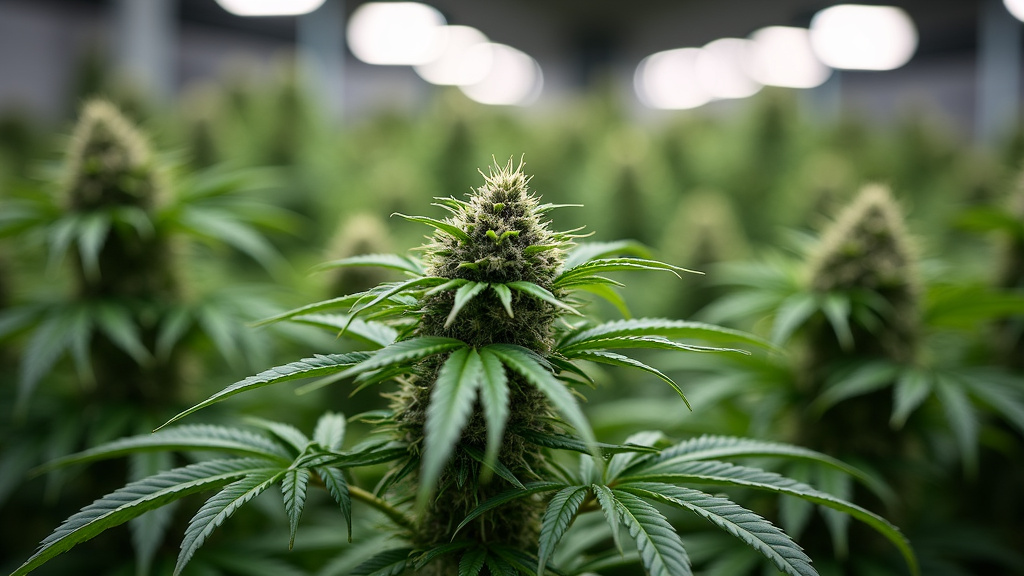
To trigger flowering, you’ll change the light cycle. Most strains will flower under 12 hours of light and 12 hours of uninterrupted darkness. This signals to the plant that it’s time to produce buds.
Troubleshooting and Common Issues
Even with the best care, you might encounter some issues. Don’t worry, it’s part of the learning process. Most problems are fixable if caught early.
Your plants will show you signs if something is wrong. Pay attention to changes in leaf color, shape, or texture. It’s like your plant speaking to you in its own way.
Identifying and Addressing Nutrient Deficiencies
Leaves changing color can often indicate a nutrient issue. Yellowing leaves, especially older ones, might mean a nitrogen deficiency. Burnt tips can signal too much nutrient, also called “nutrient burn.”
A quick search for “cannabis nutrient deficiency chart” will give you visual guides. Adjust your nutrient dosage accordingly. Often, flushing your plants with plain water can help reset nutrient levels if you’ve overfed them.
Dealing with Pests and Diseases
Pests are tiny invaders that can harm your plants. Common ones include spider mites, fungus gnats, and aphids. Inspect your plants regularly, especially the undersides of leaves.
If you find pests, use organic pest control methods first. Neem oil is a popular choice. Good air circulation also helps prevent many pest and mold issues. We found that proactive prevention is better than reactive treatment when it comes to pests.
A Beginner’s Grow Checklist:
- Secure your grow space (tent or room).
- Install lights, fan, and filter.
- Choose a suitable growing medium and pots.
- Germinate your seeds successfully.
- Maintain consistent watering habits.
- Feed nutrients as directed by the plant’s stage.
- Monitor temperature and humidity daily.
- Check plants for pests or deficiencies often.
Conclusion
Growing your own cannabis indoors can be a truly rewarding experience. You’ve learned about setting up your space, choosing the right equipment, and nurturing your plants from seed to harvest. We found that with a little patience and consistent effort, you can overcome common challenges and achieve great results.
Remember that every plant is unique, and learning to read their signals is part of the fun. Don’t be afraid to experiment and adjust your approach as you go. Your first harvest will be a testament to your dedication. Now, take what you’ve learned and start planning your very own indoor grow!
Frequently Asked Questions
How long does it take to grow cannabis indoors?
From seed to harvest, you can expect the process to take anywhere from 3 to 6 months. This timeline depends on the strain you choose and how long you keep your plants in the vegetative stage.
Autoflowering strains often complete their cycle much faster, sometimes in as little as 2-3 months.
What is the ideal temperature and humidity for cannabis plants?
For vegetative growth, aim for temperatures between 70-85°F (21-29°C) with 50-70% humidity. During the flowering stage, slightly lower temperatures of 65-80°F (18-26°C) and 40-50% humidity are best to prevent mold and encourage bud development.
Maintaining stable conditions helps prevent stress on your plants.
Can I use regular potting soil to grow cannabis?
While you can use regular potting soil, it’s often not ideal. We found that specialized growing mediums like coco coir or a high-quality organic living soil work much better.
These mediums provide better drainage, aeration, and nutrient retention specifically formulated for cannabis plants.
How often should I water my cannabis plants?
The best way to determine watering needs is to feel the weight of your pot or check the soil moisture. Water thoroughly until you see runoff, then wait until the top inch or two of soil is dry before watering again.
Overwatering is a common mistake that can lead to root problems.
Do I need different nutrients for different stages of growth?
Yes, cannabis plants have different nutrient requirements during their vegetative and flowering stages. Vegetative nutrients are higher in nitrogen, while flowering nutrients provide more phosphorus and potassium.
Using the correct nutrient blend for each stage will support healthy growth and bud production.
