
How to Grow an Indoor Herb Garden on a Windowsill?
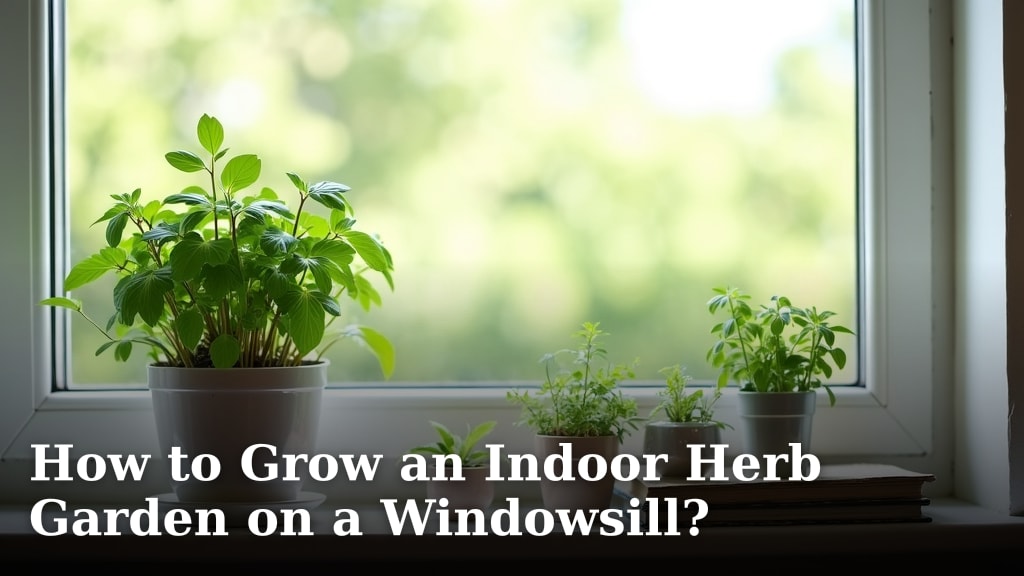
The easiest way to grow an indoor herb garden on a windowsill is to start with easy-to-grow herbs like basil, mint, and chives, ensuring they receive ample sunlight and consistent watering. You truly can have fresh herbs right in your kitchen.
Many folks dream of fresh herbs but think it’s too hard. We found that small spaces are perfect for many popular herbs. All you really need is a sunny spot and a little care to enjoy fresh flavors year-round. Who doesn’t love that?
TL;DR:
- Pick the right herbs for beginners.
- Find a sunny windowsill with good light.
- Choose pots with drainage holes.
- Water your herbs regularly, but don’t overdo it.
- Harvest correctly for continuous growth.
Ready to turn your windowsill into a mini-farm? Let’s walk through exactly how to grow an indoor herb garden on a windowsill, step by step.
Setting Up Your Indoor Herb Garden on the Windowsill
Growing herbs on your windowsill is a rewarding experience. It gives you fresh flavor at your fingertips. Let’s dig into the details of setting it up for success.
Choosing the Right Herbs for Your Windowsill
Not all herbs love an indoor life. Some are much happier basking in the outdoor sun. We found that picking the right varieties makes all the difference for windowsill success.
Beginner-Friendly Herbs
If you’re just starting, choose herbs that are forgiving. They grow well and don’t demand too much. Here are some of the easiest to grow:
- Basil: This sunny herb loves warmth and moist soil. It’s often called the “king of herbs” for good reason.
- Mint: Known for its vigorous growth, mint comes in many varieties. Keep it in its own pot because it likes to spread!
- Chives: These oniony greens are easy to snip and regrow. They thrive with good light and regular watering.
- Rosemary: A woody herb that prefers drier soil. It needs plenty of bright light to flourish indoors.
- Thyme: Another Mediterranean herb, thyme enjoys sun and doesn’t mind drying out a bit between waterings.
Many experts say starting with these herbs builds confidence (University of Illinois Extension).
Herbs That Need More Attention
Some herbs are a bit pickier. They might work, but they ask for more care. These include:
- Oregano: Similar to thyme, but can get leggy without enough sun.
- Dill: Can grow tall and bolt (go to seed) quickly indoors.
- Cilantro: Tends to bolt very fast in warm indoor conditions. Can you keep it cool enough?
- Parsley: Needs consistent moisture and bright, indirect light. Can be slow to germinate.
Don’t be discouraged, though. With enough light and a watchful eye, you can still grow these. Just be ready for the extra commitment.
Finding the Perfect Windowsill Spot
Location is everything for a windowsill garden. Your herbs need plenty of natural light to grow well and taste their best. Think of it as their energy source.
Understanding Light Requirements
Most herbs need at least 4-6 hours of direct sunlight every day. Some, like basil and rosemary, prefer even more. We found that south-facing windows are usually best for this.
- South-facing window: Offers the most direct sunlight throughout the day. This is your prime real estate.
- East-facing window: Gets morning sun, which is softer. Good for herbs that tolerate less direct light.
- West-facing window: Receives strong afternoon sun. This can be great, but watch for scorching on hot days.
- North-facing window: Provides the least amount of direct sunlight. This spot is generally not ideal for most herbs.
What if your perfect window is a bit chilly? Drafts can stress plants. Consider adding a simple barrier or moving herbs away from cold glass on frigid nights.
Dealing with Low Light Conditions
Not everyone has a super sunny window. If your window isn’t ideal, you still have options. We need to supplement the natural light available.
- Rotate your plants: Turn your pots every few days. This helps all sides of the plant get light. It promotes even growth.
- Add a grow light: Small LED grow lights are efficient and don’t use much electricity. Place it a few inches above your herbs for 10-12 hours a day.
Even a small grow light can make a huge difference. Think of it as giving your herbs a personal sun lamp!
Choosing Containers and Soil
The right home makes a big difference for your herbs. You want containers that are both functional and fit your style. And the soil? That’s their food!
Selecting the Right Pots
When choosing pots, two things are crucial: size and drainage. Herbs don’t like crowded roots or soggy feet.
- Size matters: A pot that is at least 6 inches in diameter is a good start for most herbs. This gives them room to grow.
- Drainage holes are non-negotiable: We found this is the most common mistake for beginners. Without drainage, roots will sit in water and rot.
Terracotta pots are popular because they allow soil to breathe. Plastic pots hold moisture longer. Whatever you choose, ensure there’s a saucer underneath to catch excess water.
The Best Soil Mix
Your herbs need specific soil to thrive indoors. Don’t just grab dirt from your backyard!
- Use a good potting mix: Look for “potting mix” or “container mix” at your local garden store. These are lighter and drain better than garden soil.
- Avoid heavy garden soil: It compacts easily in pots, suffocating roots and hindering drainage.
Some people like to mix in a little perlite or vermiculite. This further improves drainage and aeration. It’s like giving your soil some extra fluff!
Here’s a quick comparison of common indoor herb container options:
| Container Type | Pros | Cons |
|---|---|---|
| Terracotta Pots | Excellent drainage, good air circulation, natural look. | Dries out faster (needs more frequent watering), can be heavy. |
| Plastic Pots | Retains moisture well, lightweight, affordable, wide variety of colors. | Less air circulation, can lead to overwatering if not careful. |
| Ceramic Pots | Attractive, decorative, retains moisture well. | Can be heavy and expensive, must have drainage holes. |
| Self-Watering Pots | Reduces watering frequency, consistent moisture. | Can be costly, some herbs prefer drier conditions. |
Watering and Feeding Your Windowsill Herbs
Watering is often where new gardeners struggle. It’s a balance! Your herbs need hydration, but not drowning. Think of them as Goldilocks — not too much, not too little, but just right.
The Art of Watering
How do you know when to water? It’s easier than you think!
- Check the soil: Stick your finger about an inch or two into the soil. If it feels dry, it’s time to water. If it’s still damp, wait.
- Water thoroughly: Pour water slowly until it drains from the bottom of the pot. This ensures all the roots get moisture.
- Discard excess water: Don’t let your plants sit in standing water in their saucers. This leads to root rot.
Many guidelines point to checking the soil moisture daily as a good practice (National Garden Bureau). Plants will tell you they are thirsty by wilting slightly, but try to water before they get to that point.
Fertilizing Your Herbs
Potted herbs use up the nutrients in their soil. They don’t have access to the larger nutrient cycle that outdoor plants do. You’ll need to refill their “food pantry.”
- Use a diluted liquid fertilizer: A balanced liquid fertilizer (like 5-10-5) is a good choice. Follow the package directions, but often half-strength is enough.
- Fertilize monthly during active growth: During spring and summer, when your herbs are growing most, feed them once a month. Reduce or stop in fall and winter.
Over-fertilizing can burn roots. When in doubt, less is more. Your herbs will thank you for giving them a gentle assist.
Harvesting Your Herbs for Continuous Growth
The best part of growing herbs? Eating them! But harvesting correctly helps your plants grow back bigger and better. It’s a win-win.
The Right Way to Harvest
Don’t just pull off leaves willy-nilly. Proper technique encourages your plant to produce more foliage.
- Snip regularly: For most herbs like basil, mint, and oregano, snip off the top few sets of leaves, just above a leaf node (where leaves grow).
- Don’t take more than a third: Never remove more than one-third of the plant at a time. This allows the plant to recover and photosynthesize.
- Use clean scissors or shears: This prevents crushing stems and helps keep your plant healthy.
Regular harvesting actually makes your plant bushier and prevents it from getting leggy. It’s like giving it a healthy haircut!
When to Harvest
Most herbs are ready to harvest after they have established themselves. This usually means they have several sets of leaves.
- Harvest in the morning: This is when the essential oils are most concentrated, meaning better flavor.
- Enjoy fresh: Use your herbs right away for the best taste.
You can also preserve them by drying or freezing — but that’s a topic for another day! For now, just enjoy the delicious bounty.
Quick Windowsill Herb Garden Checklist
Before you dig in, use this checklist to ensure you’re ready:
- Have you picked beginner-friendly herbs?
- Does your windowsill get at least 4-6 hours of direct sun?
- Did you choose pots with drainage holes?
- Is your potting mix specifically for containers?
- Do you have a plan for consistent watering and occasional feeding?
Conclusion
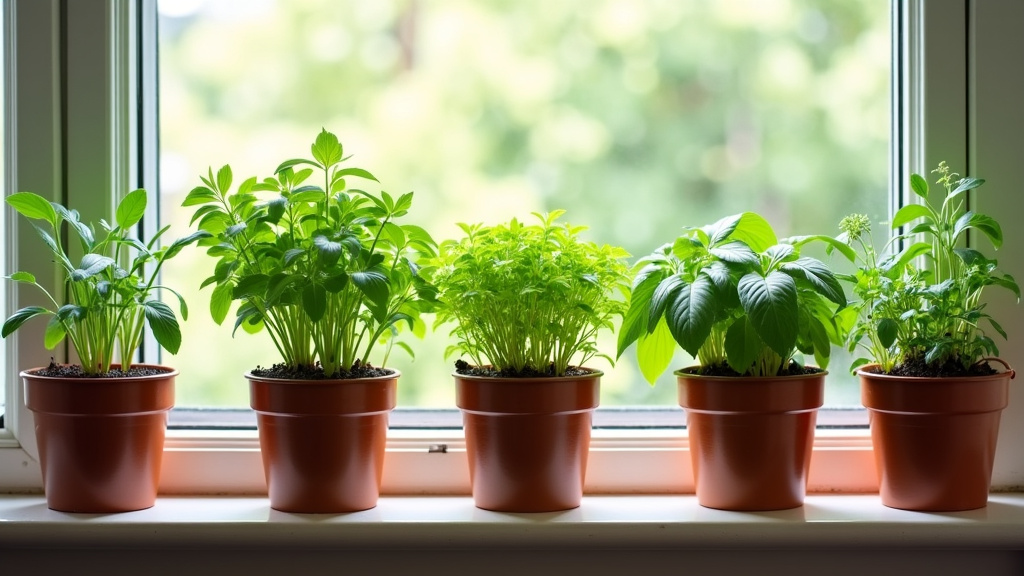
You now have all the tools to successfully grow an indoor herb garden on your windowsill. We’ve shown you that it’s simpler than you might think. By choosing the right herbs, providing ample sunlight, and maintaining consistent care, you’ll be well on your way. Our research shows that attention to small details makes a huge difference. You’ll soon enjoy fresh, homegrown flavors right from your kitchen.
So, why wait? Pick out your favorite beginner-friendly herb today. Start enjoying the rewards of fresh herbs. Your culinary creations will thank you!
Frequently Asked Questions
How often should I water my windowsill herbs?
You should water your herbs when the top inch or two of soil feels dry to the touch. This often means every few days, but it depends on the herb, pot type, and humidity in your home. Always ensure water drains from the bottom.
Can I grow herbs from seeds on my windowsill?
Yes, you can grow herbs from seeds. However, it requires more patience and often a dedicated seed-starting mix. Many beginners find starting with small plant starts easier and more successful for windowsill gardening.
My indoor herbs are getting leggy. What’s wrong?
Leggy herbs are usually a sign that they aren’t getting enough light. Try moving them to a brighter windowsill. You might also consider supplementing with a small grow light to encourage bushier growth and prevent stretching.
Do I need to repot my windowsill herbs?
Yes, as your herbs grow, their roots will fill the pot. You’ll know it’s time to repot when roots start growing out the drainage holes or the plant stops looking vigorous. Move them to a pot that is one size larger.
What’s the best way to keep pests off my indoor herb garden?
Indoor herbs can attract pests like aphids or spider mites. We found that regular inspection and promptly wiping down leaves with a damp cloth or a gentle, insecticidal soap spray works best. Good air circulation also helps prevent issues.
