
How to Keep Indoor Plants Alive in Winter?
To keep indoor plants alive in winter, generally, you’ll need to reduce watering frequency, provide more light, and ensure they have enough humidity. These adjustments help your plants survive the harsher winter conditions indoors.
Winter brings shorter days, drier air, and sometimes colder temperatures inside your home. These changes can really stress your houseplants. We found that understanding their needs for light, water, and humidity becomes extra important now.
- Reduce watering to prevent root rot.
- Increase light exposure if possible.
- Boost humidity with simple methods.
- Protect from cold drafts.
- Avoid fertilizer during dormancy.
Let’s walk through exactly how to keep your green friends thriving until spring arrives.
Making Sure Your Indoor Plants Thrive This Winter
Keeping your indoor plants healthy through winter means adjusting their care routine. We found that the main challenges are changes in light, humidity, and temperature.
Each plant is a little different, but these general tips will help most common houseplants survive the colder months.
Mastering Winter Watering Habits
Incorrect watering is one of the biggest reasons indoor plants struggle in winter. Your plants just don’t need as much water.
Why Less Water?
During winter, plants often enter a dormant or semi-dormant phase. This means their growth slows down significantly. They use less energy and, therefore, less water.
The soil also dries out more slowly now. Overwatering can lead to serious problems like root rot, which is often fatal.
How to Adjust Your Watering Schedule
Instead of watering on a strict schedule, check the soil moisture first. Stick your finger about an inch or two into the soil. If it feels dry, then it’s time to water.
Many experts say to water deeply but less frequently (The Old Farmer’s Almanac). Let the excess water drain out of the pot. Never let your plant sit in standing water.
We found that for most plants, reducing watering to once every 2-4 weeks is a good starting point. Succulents and cacti might need even less.
Providing Adequate Light Exposure
Winter brings shorter days and weaker sunlight. This can leave your plants feeling a bit starved for light.
Good light is crucial for photosynthesis, which is how plants make their food.
Finding the Brightest Spots
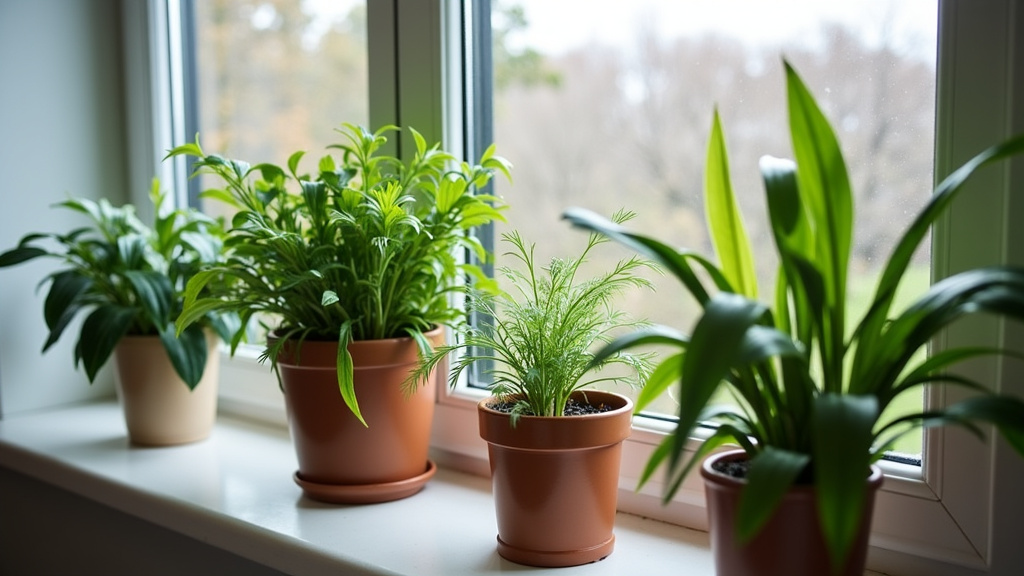
Move your plants closer to south-facing windows for maximum light exposure. South-facing windows get the most direct light throughout the day.
You can also use mirrors to reflect more light onto your plants. Just be careful not to scorch them if direct sun is too intense.
Considering Supplemental Lighting
If natural light is scarce, you might need to use grow lights. We found that even a simple LED grow light can make a big difference.
Full-spectrum lights mimic natural sunlight, helping plants to photosynthesize effectively. Place them a few inches above your plants, typically for 12-14 hours a day.
This trick can really help your plants stay green and vibrant, even during the darkest days of winter.
Boosting Humidity Levels Indoors
Heaters and furnaces make our homes cozy, but they also dry out the air. Most houseplants prefer higher humidity than typical winter indoor air provides.
Low humidity can cause crispy leaf edges and make plants more susceptible to pests.
Simple Ways to Increase Humidity
Here are some easy ways to raise humidity around your plants:
- Pebble Trays: Fill a shallow tray with pebbles and water. Place your plant pot on top of the pebbles, making sure the pot isn’t sitting in the water. As the water evaporates, it creates a humid microclimate.
- Humidifier: A room humidifier is a very effective solution, especially for a collection of plants. We found that cool-mist humidifiers work well.
- Grouping Plants: Plants release moisture into the air. Grouping several plants together can create a slightly more humid environment for all of them.
Misting is often suggested, but we found it only provides a very temporary boost in humidity. It’s not a long-term solution.
Protecting Plants from Cold and Drafts
While indoors, your plants are safe from harsh outdoor cold. But sudden temperature changes and drafts can still harm them.
Cold air can shock plants and cause leaf damage or even death.
Identifying Cold-Sensitive Areas
Keep plants away from drafty windows and doors. Also, keep them clear of heating vents. The hot, dry air from vents can be just as damaging as cold drafts.
Many plants prefer consistent temperatures. Find a spot where the temperature stays relatively stable.
When to Avoid Fertilizing Your Houseplants
Most plants enter a period of dormancy during winter. This means they are not actively growing.
Fertilizing a dormant plant can actually do more harm than good. It can lead to nutrient burn or salt buildup in the soil.
Why Skip Fertilizer in Winter?
During dormancy, plants don’t use many nutrients. Adding fertilizer during this time can overwhelm their systems. It’s like trying to force-feed someone who isn’t hungry.
We found that it’s best to pause fertilization from late fall until early spring, when new growth typically begins.
You can resume a normal feeding schedule once you see signs of active growth, like new leaves unfurling.
Inspecting for Pests and Diseases
Winter indoor conditions can sometimes make plants more vulnerable to pests. Dry air, for example, can invite spider mites.
It’s a good idea to perform regular check-ups on your plants.
Early Detection Saves Plants
Look closely at the undersides of leaves and along stems. Small white spots, sticky residue, or tiny webs can signal a pest problem.
If you spot pests, isolate the affected plant immediately. You can often treat minor infestations with insecticidal soap or neem oil (University of California Agriculture and Natural Resources).
Catching problems early makes them much easier to manage.
Checklist for Winter Plant Care
Keep this quick checklist handy to ensure your indoor plants stay happy through winter:
- Double-check soil moisture before watering.
- Relocate plants to brighter window spots.
- Set up pebble trays or a small humidifier.
- Ensure plants are away from cold drafts and heat vents.
- Stop all fertilization until spring.
- Regularly inspect for any signs of pests.
Winter Care for Specific Plant Types
While general rules apply, some plants have unique winter needs. Understanding these can prevent issues.
Succulents and Cacti
These plants need very little water in winter. We found that they often prefer cooler temperatures and even brighter light than usual.
Let their soil dry out completely between waterings. Sometimes, once a month or even less is enough.
Tropical Plants
Many tropical plants struggle with low humidity. They appreciate extra moisture in the air and consistent warmth.
Avoid placing them in areas where temperatures fluctuate wildly. Think about their native jungle homes, often stable and humid.
| Plant Type | Winter Watering | Light Needs | Humidity Preference |
|---|---|---|---|
| Succulents/Cacti | Very minimal (monthly) | Bright, direct light | Low |
| Tropical Foliage | Reduce, but don’t dry out | Bright, indirect | High |
| Flowering Plants | Moderate (check soil) | Bright | Moderate to High |
| Ferns | Keep soil consistently moist | Low to Medium, indirect | High |
This table helps illustrate the varying needs. Remember it’s a living thing, and it may tell you it’s thirsty.
Conclusion
Navigating winter with your indoor plants doesn’t have to be a struggle. We found that by making a few key adjustments, you can help them not just survive, but truly thrive. Remember to adjust watering, provide ample light, and boost humidity. Staying vigilant for pests and protecting them from drafts will also go a long way.
Think of these changes as giving your plants a comfortable winter vacation. With these tips, you’re well-equipped to keep your green companions happy and healthy until spring bursts forth. Go ahead, give your plants the best winter care they deserve!
Frequently Asked Questions
Can I just leave my plants alone in winter?
Leaving your plants totally alone during winter is risky. They still need care, but it’s a different kind of care. You need to adjust watering, light, and humidity to match their dormant state and the drier indoor air.
My plant leaves are turning yellow in winter. What does that mean?
Yellowing leaves in winter often point to overwatering or lack of light. Check the soil moisture carefully. Reduced light can also cause older leaves to yellow and drop, as the plant conserves energy.
Should I move my plants closer to the radiator for warmth?
No, you should avoid placing plants directly next to radiators or heating vents. The intense, dry heat can scorch leaves and severely dehydrate your plant, causing more harm than good.
Is it okay to repot my plants in winter?
It’s generally best to avoid repotting in winter. Most plants are dormant and not actively growing, so repotting can cause unnecessary stress. Wait until early spring when new growth signals they are ready.
How do I know if my plant is dormant or dying?
A dormant plant will show very little to no new growth, but its stems and existing leaves will still appear healthy. A dying plant, however, will have widespread yellowing, wilting, or crispy brown leaves that are clearly deteriorating rather than just conserving energy.
