
How to Grow Tomatoes Indoors Under Lights?
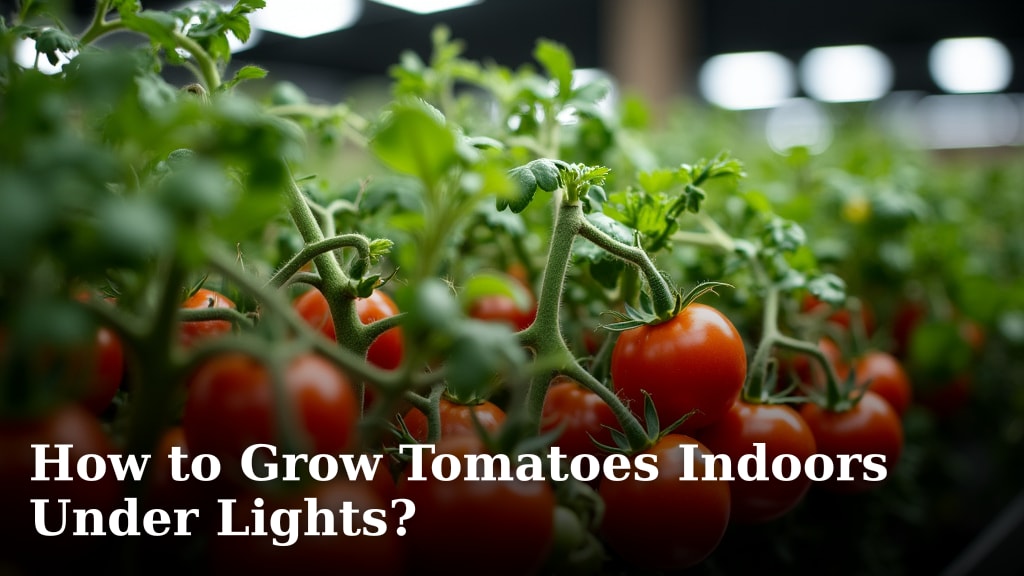
The easiest way to grow tomatoes indoors under lights is by selecting the right variety, providing ample light, and ensuring consistent care. We found that determinate, small-fruited tomato plants are best suited for indoor environments. This approach allows you to enjoy fresh, homegrown tomatoes even in colder months.
You might be surprised to learn how manageable it is to cultivate your own tomato harvest from your living room. Providing the correct grow lights and a stable environment means you can produce delicious fruit year-round. We often crave that summer taste, and with a little effort, you can make it happen.
- Choose suitable tomato varieties for indoor growth.
- Understand the importance of proper lighting.
- Learn about essential care for indoor tomato plants.
- Discover how to successfully harvest your indoor crop.
Ready to turn your indoor space into a productive tomato patch? Let’s walk through exactly how to grow tomatoes indoors under lights, step by step, so you can enjoy your own fresh harvest.
Growing tomatoes indoors isn’t just a fun gardening project; it’s a way to enjoy fresh, organic produce all year long. Imagine picking a ripe tomato from your kitchen counter in the dead of winter! We find that with the right planning, it’s entirely achievable for nearly anyone.
Selecting the Best Tomato Varieties for Indoor Success
The first step to a successful indoor tomato harvest starts with choosing the right plants. Not all tomatoes are created equal when it comes to living indoors. You need varieties that stay compact and produce fruit readily.
Compact Determinate Varieties are Your Best Bet
Many experts agree that determinate tomato varieties are ideal for indoor growing. Why? Because they stop growing at a certain height, forming a bush. This means they are more manageable in a limited space.
Indeterminate varieties, on the other hand, just keep growing and growing. They can quickly become too large for an indoor setup, demanding more pruning and support than you probably want to provide. Think of them like a vine trying to take over your living room!
- Bush Early Girl: A popular choice, giving you medium-sized fruit.
- Celebrity: Another good option for decent-sized, flavorful tomatoes.
- Patio: Bred specifically for container growing, living up to its name.
Small-Fruited Tomatoes Thrive Indoors
When you’re growing indoors, every bit of energy your plant uses needs to be efficient. Producing small fruits, like cherry or grape tomatoes, takes less energy than growing large beefsteaks. This means more fruit for you, faster!
We often recommend these productive, space-saving options:
- Tiny Tim: A true dwarf, perfect for windowsills, yielding many cherry tomatoes.
- Micro Tom: Even smaller than Tiny Tim, incredible for tight spots.
- Tumbling Tom Red/Yellow: Great for hanging baskets, spill over the sides nicely.
- Sweet Million: Extremely productive cherry tomato, though a bit larger plant.
Consider your space and how much light you can provide. Smaller fruits generally mean smaller, more manageable plants.
Tomato Plant Essentials: Light, Soil, and Water
Once you have your seeds or seedlings, it’s time to set up their new home. Think of this as creating a cozy, nurturing environment where they can really thrive.
The Critical Role of Grow Lights
This is arguably the most important factor for indoor tomato success. Natural light from a window, even a sunny one, simply isn’t enough for fruiting plants like tomatoes, especially in winter. You need supplemental light, and lots of it.
LED grow lights are a fantastic choice. They are energy-efficient, produce little heat, and come in full-spectrum options that mimic natural sunlight. Research suggests that full-spectrum lights are best for overall plant health and fruit production (NCBI).
Light Spectrum and Intensity
Tomatoes need light in various spectrums, but red and blue light are particularly important. Blue light promotes leafy growth, while red light encourages flowering and fruiting. Full-spectrum lights provide a balance of these.
Aim for around 14-16 hours of light per day. Use a timer! Consistency is key for healthy plant growth. Think of it like a consistent sleep schedule for your plants.
Positioning Your Grow Lights
Position your lights close to your plants, but not so close that they scorch the leaves. For most LEDs, this means about 6-12 inches above the plant canopy. As your plants grow, you’ll need to adjust the light height.
If you see your plants stretching or getting leggy, they are probably asking for more light. Move the lights closer or consider adding another light source.
| Light Type | Pros | Cons | Best For |
|---|---|---|---|
| Full-Spectrum LED | Energy-efficient, low heat, long-lasting, customizable spectrum | Higher upfront cost | Most indoor growers, excellent for all plant stages |
| Fluorescent (e.g., T5) | Affordable, low heat | Less intense, shorter lifespan than LED | Seed starting, leafy greens, supplemental light |
| HID (HPS/MH) | Very intense light, excellent for fruiting | High heat, high energy use, specific fixtures needed | Commercial growers, very large setups |
Potting Mix and Containers
Tomatoes are heavy feeders and need good drainage. Don’t just grab garden soil from outside; it’s too dense for containers and can contain pests.
- Use a high-quality potting mix designed for containers. Look for mixes with perlite or vermiculite for drainage.
- For container size, we recommend at least a 3-5 gallon pot per plant for even small varieties. Bigger is generally better for healthy root development. Make sure your pots have drainage holes!
Consistent Watering Practices
Indoor plants can dry out quickly, especially under grow lights. Check the soil moisture daily. Stick your finger about an inch or two into the soil. If it feels dry, it’s time to water.
Water thoroughly until you see water draining from the bottom of the pot. Never let your plants sit in standing water, as this can lead to root rot. We found that watering from the bottom (placing the pot in a tray of water) can help encourage deeper root growth, but top watering works just fine too.
Aim for consistent moisture, but avoid waterlogging. Overwatering is a common mistake for new indoor gardeners.
Environmental Factors: Temperature, Humidity, and Airflow
Beyond light and water, other environmental factors play a big role in your tomato’s happiness and productivity.
Ideal Temperature Ranges
Tomatoes love warmth! They prefer temperatures between 65-80°F (18-27°C) during the day and no lower than 60°F (15°C) at night. Most homes stay within this range, so it’s usually not a major concern.
Avoid placing plants near cold drafts from windows or air conditioning vents. Sudden temperature drops can stress your plants.
Humidity Levels
Tomatoes prefer moderate humidity, typically between 40-60%. If your home is very dry (especially in winter with heaters running), consider using a humidifier nearby. Extremely low humidity can affect flower pollination and lead to blossom drop.
The Importance of Air Circulation
Good airflow is vital for indoor plants. It helps prevent fungal diseases and strengthens the plant stems. A small oscillating fan, set on a low setting, can do wonders.
Run the fan for a few hours a day, positioned so it gently sways the leaves. This simulates outdoor breezes, which helps plants grow sturdier and also aids in pollination.
Feeding and Pollinating Your Indoor Tomatoes
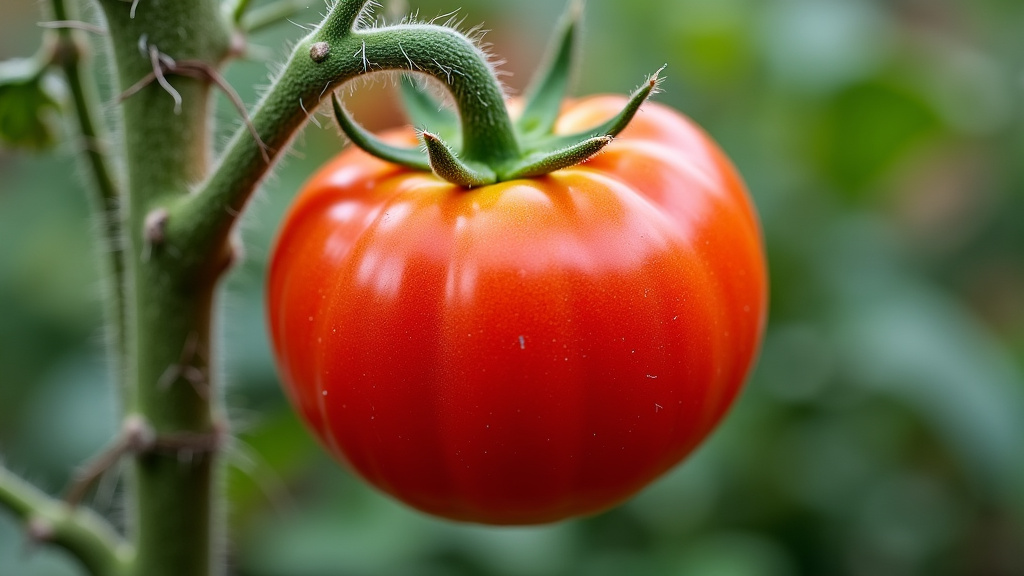
Tomatoes are hungry growers. You’ll need to feed them regularly, and since there are no bees inside your house, you’ll need to help them pollinate.
Nutrient Requirements and Fertilizing Schedule
Once your tomato plants start setting fruit, they need more nutrients. A balanced liquid fertilizer designed for vegetables is usually best. Look for one where the middle number (phosphorus, for flowering) is higher, or at least equal to, the first number (nitrogen).
Follow the product’s instructions, but you’ll likely be fertilizing every 1-2 weeks once fruits begin to form. Before that, a weaker dose might be appropriate for young plants. Too much nitrogen can lead to lush leafy growth but few tomatoes.
Hand Pollination for Fruit Set
This is where you become the bumblebee! Tomato flowers are self-pollinating, meaning each flower has both male and female parts. But they still need a little vibration to release their pollen.
How do you do it?
- Gently shake the plant: Just a light jiggle every day while the flowers are open.
- Tap the flowers: Use a finger to gently tap the flower stems.
- Use an electric toothbrush: Many indoor growers swear by this! Set it on a non-vibrating setting and lightly touch the back of each open flower for a few seconds. This mimics a bee’s wings.
Perform this simple task daily during flowering. You’ll know it worked when you see tiny green fruits forming where the flowers used to be.
Essential Indoor Tomato Care Checklist
Keeping track of everything can feel like a lot, but a simple routine makes it easy. Here’s a quick checklist to help you stay on track:
- Daily: Check soil moisture; hand pollinate open flowers.
- Every Few Days: Rotate pots for even light exposure if using directional lights.
- Weekly: Inspect for pests (undersides of leaves too!); adjust grow light height.
- Bi-Weekly (or as directed): Fertilize plants once fruiting starts.
- As Needed: Prune suckers and dead leaves; provide support (stakes or cages).
- Continuously: Observe your plants for any signs of stress or disease.
Conclusion
Growing tomatoes indoors under lights is a rewarding journey. You can enjoy that fresh, garden-ripe flavor any time of year! By selecting compact varieties, providing ample full-spectrum LED light, and maintaining consistent care, your indoor mini-farm will flourish. Remember to hand-pollinate and feed your hungry plants.
We found that with patience and a little tending, you’ll soon be harvesting your own delicious tomatoes. Don’t let the thought of winter stop your gardening joy. Start your indoor tomato adventure today and taste the difference for yourself!
Frequently Asked Questions
How long does it take for indoor tomatoes to produce fruit?
Most compact, determinate indoor varieties will start producing fruit within 60-85 days from the time you plant seeds. This can vary based on the specific variety and the conditions you provide.
Can I use a regular lamp instead of a grow light for my tomatoes?
No, a regular household lamp won’t provide the specific spectrum and intensity of light that fruiting plants like tomatoes need. They require full-spectrum light, often with boosted red and blue wavelengths, to flower and produce fruit successfully.
Why are my indoor tomato plant leaves turning yellow?
Yellowing leaves can indicate several issues. It might be a nutrient deficiency (especially nitrogen), overwatering, underwatering, or insufficient light. Check your fertilization schedule, soil moisture, and light duration and intensity first.
Do indoor tomatoes taste as good as outdoor tomatoes?
When grown with proper light and nutrients, indoor tomatoes can taste remarkably similar to their outdoor counterparts. Many indoor growers find the flavor excellent, especially since you can pick them at peak ripeness.
How often should I fertilize my indoor tomato plants?
Once your tomato plants begin to flower and set fruit, you should typically fertilize them every one to two weeks. Always follow the specific instructions on your chosen liquid fertilizer, as formulations vary.
