
How to Propagate Pothos in Water?
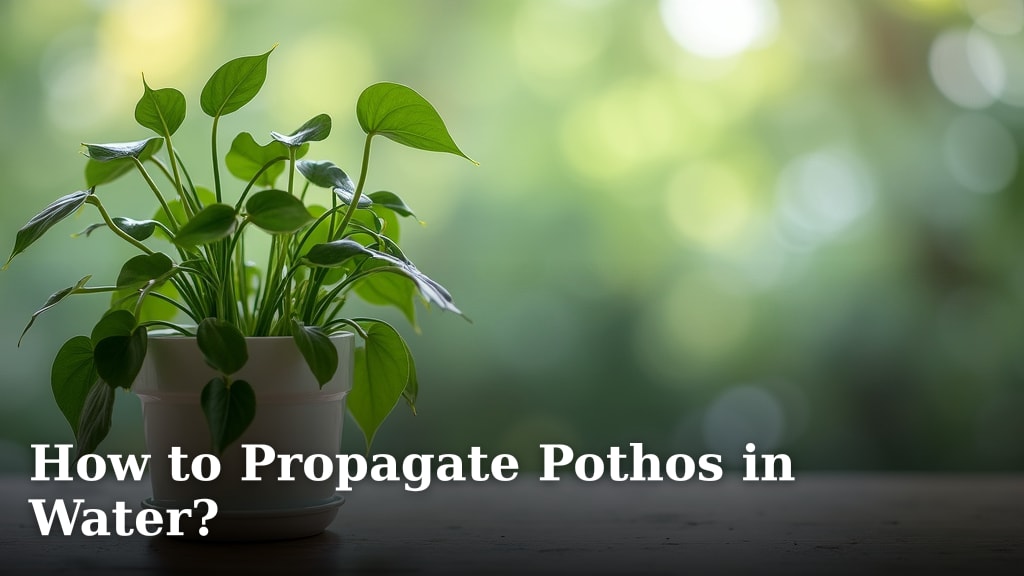
<p>The easiest way to propagate pothos is by taking cuttings and rooting them in water. You simply snip off a healthy stem, remove the lower leaves, and place it in a container of water. This method is incredibly straightforward and typically yields new roots within a few weeks.</p>
<p>Many plant enthusiasts appreciate this technique for its simplicity. We found that propagating pothos in water allows you to easily create new plants from your existing ones. It’s a fantastic way to expand your collection or share with friends without much fuss or specialized equipment.</p>
<ul>
<li>Snip healthy pothos stems.</li>
<li>Remove leaves from the bottom section.</li>
<li>Place cuttings in water.</li>
<li>Provide bright, indirect light.</li>
<li>Watch for root growth in weeks.</li>
</ul>
<p>Ready to turn one pothos into many? Let’s walk through exactly how to propagate pothos in water, step by step.</p>
Rooting Pothos in Water: Your Step-by-Step Guide
Propagating pothos in water is one of the plant world’s most satisfying tricks. You’re effectively creating a brand new plant from a piece of an old one. It’s like magic, but it’s just good botany! We’ll guide you through each step, making sure your pothos propagation journey is a success.
Gathering Your Pothos Propagation Supplies
Before you make your first snip, it’s smart to have everything you need ready. This saves you from scrambling mid-process. We found that a little preparation goes a long way for a smooth experience.
Essential Tools for Cuttings
What do you need to get started? Not much, thankfully! You’ll want a sharp pair of scissors or pruning shears. We can’t stress “sharp” enough; dull tools can crush stems and make it harder for your cuttings to root.
- Sharp Pruning Shears or Scissors: These ensure a clean cut, which is vital for the plant’s health.
- A Container for Water: Any clean glass jar, vase, or even an old food container works. Clear glass lets you watch the roots grow, which is super fun!
- Fresh Water: Tap water is usually fine. If your tap water is heavily chlorinated, you might let it sit out for 24 hours first.
- Rubbing Alcohol (Optional): Good for sterilizing your tools between cuts or plants.
Choosing the Right Pothos Plant
Not all pothos stems are created equal for propagation. For the best chances of success, you want to pick a healthy, mature mother plant. Look for vibrant leaves and no signs of disease or pests. A strong parent leads to strong babies!
We found that selecting a good cutting makes a big difference. Don’t worry if your plant looks a little sparse after taking a few cuttings; it will usually bounce back quickly.
Making the Perfect Pothos Cuttings
This is where the real work begins, but don’t be intimidated! Taking cuttings is simple once you know what to look for. Your goal here is to get a viable piece of stem that’s ready to form new roots.
Identifying a Node
The “node” is the magic spot. This is a small bump or ridge on the stem where a leaf attaches, or where aerial roots might begin to form. Roots will sprout from these nodes, so your cutting absolutely must include at least one.
Look carefully along the stem. You’ll see them! Sometimes they are very obvious, other times they are subtle. Many experts say that multiple nodes increase your chances of success (American Horticultural Society).
How to Cut Your Pothos Stem
Once you’ve spotted your node, it’s time to cut. Using your clean, sharp tool, make a cut about half an inch below a node. Each cutting should ideally have a few leaves at the top and at least two nodes below the leaves. Many people aim for cuttings that are 4 to 6 inches long.
Why below the node? This gives the stem a little extra space to heal and prevents rot from reaching the node where roots will form.
Preparing Your Cuttings for Water
After you make your cuts, you’ll need to do a little prep work. Remove any leaves that would be submerged in water. Leaves in water will rot quickly, contaminating your water and harming your cutting. Gently peel or snip them off.
Ensure that at least one (preferably two) nodes are exposed and clear of leaves. These will be the points where new roots will emerge. Many plant enthusiasts find this step critical for success.
Rooting Your Pothos Cuttings in Water
Now for the exciting part! Placing your prepared cuttings into water. This is where you really start to see the transformation from a simple stem to a new plant.
Choosing the Right Water Container
You can use almost any clean container. We often use clear glass jars or bottles. Why clear? Because it lets you peek at those developing roots! It also makes it easy to monitor the water quality.
Beyond being able to admire your root progress, clear containers help you spot any issues with algae or murky water before they become a big problem.
Placing Cuttings and Water Levels
Carefully place your cuttings into the container. Make sure the nodes are fully submerged in water, but keep the leaves above the waterline. Add enough water to cover the nodes, but don’t fill it so high that leaves get wet. Remember, wet leaves in water can lead to rot.
If you have multiple cuttings, you can put them in the same container, but don’t overcrowd them. Give them a little breathing room.
Caring for Your Water-Rooted Pothos Cuttings
Once your cuttings are in water, your job shifts to caring for them. This involves a few simple, regular tasks that ensure they have the best chance to root.
Light and Location Requirements
Place your container in a spot with bright, indirect light. A windowsill that gets good ambient light but avoids direct, harsh sun is ideal. Too much direct sun can cook your delicate cuttings or encourage algae growth in the water.
Think about where your mature pothos plant thrives; similar conditions will be good for your cuttings. We found that consistency in light helps a lot.
Changing the Water Regularly
This is perhaps the most important care step. You need to change the water every few days, or at least once a week. Fresh water provides oxygen and nutrients, and removes any bacteria or algae that might be building up.
Murky water is a sign you’ve waited too long. We found that fresh water prevents rot and encourages faster root development. Think of it like giving your cuttings fresh air to breathe!
Here’s a quick checklist to keep your cuttings happy:
- Check water level daily.
- Change water every 3-5 days.
- Keep leaves out of the water.
- Provide bright, indirect light.
- Look for tiny root nubs forming.
When to Expect Roots and What to Look For
Patience is a virtue, especially in plant propagation. You’re waiting for those exciting white roots to appear. How long does it usually take?
| Factor | Impact on Rooting Time |
|---|---|
| Pothos Variety | Some root faster than others (e.g., Golden Pothos typically roots quickly). |
| Light Conditions | Good indirect light speeds up the process. |
| Water Freshness | Regular water changes encourage root growth. |
| Temperature | Warmer environments (70-75°F) can accelerate rooting. |
| Cutting Health | Healthy, strong cuttings root more reliably. |
Signs of Root Growth and Progress
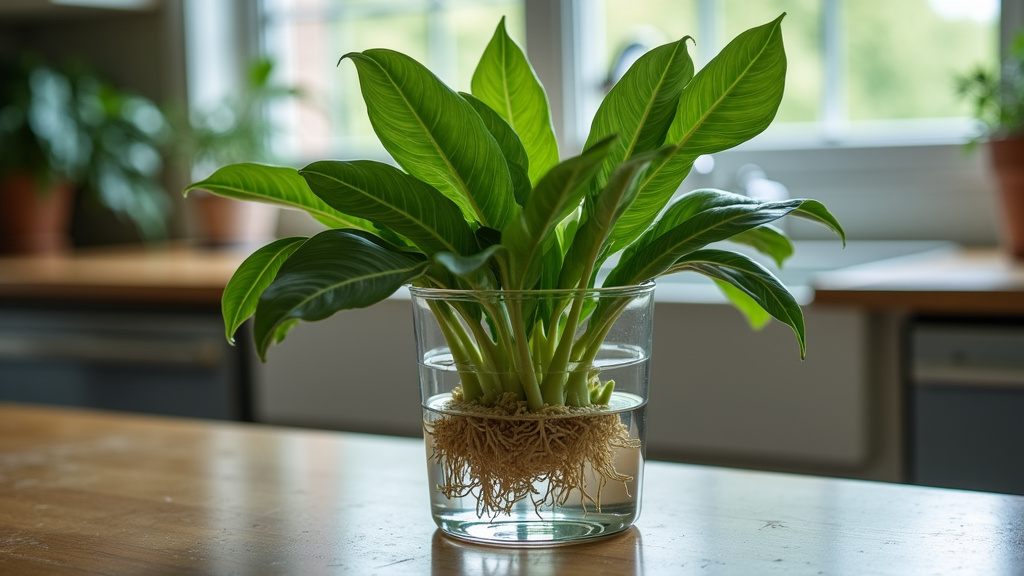
You’ll typically see the first signs of roots within 2 to 4 weeks. They’ll start as tiny white nubs at the nodes, then gradually lengthen into thin strands. Don’t be alarmed if some roots grow faster or thicker than others.
It’s thrilling to watch those roots emerge. This is your cue that the cutting is thriving and preparing for its next stage of life. The roots will look different from the plant’s main stem; they’ll be whiter and more fibrous.
When Are Roots Ready for Planting?
We generally recommend letting the roots grow to be at least 1 to 2 inches long before transitioning your plant to soil. Some people wait for them to be even longer, up to 3 or 4 inches, to ensure they are robust enough to establish in soil.
You want a good network of roots, not just one or two wispy strands. The longer they are, the more surface area they have to absorb water and nutrients from the soil, making the transplant less stressful for your new plant.
Congratulations, you’re well on your way to expanding your pothos collection! What a rewarding journey, right?
Conclusion
Propagating pothos in water is a wonderfully rewarding experience. You’ve learned how simple it is to turn a single plant into many with just a few careful steps. From selecting the right cutting to watching those first roots emerge, each stage is straightforward and satisfying.
Keep a close eye on your cuttings, change their water often, and give them good indirect light. Soon you’ll have a whole new collection of lush pothos plants. Go ahead and give it a try; your thriving green oasis awaits!
Frequently Asked Questions
Can I propagate different types of pothos together in the same water container?
Yes, you can absolutely root different pothos varieties in the same water container. As long as they are all pothos, their rooting needs are very similar. Just ensure each cutting has enough space and that the nodes are submerged.
What should I do if my pothos cuttings start to get mushy or rot in the water?
If you notice mushy stems or leaves, remove the affected cuttings immediately to prevent spread. Trim off any rotten parts, sterilize your cutting tool, and place them in fresh, clean water. This usually happens if water changes aren’t frequent enough or if leaves are left submerged.
Do I need to add anything to the water to help my pothos root faster?
Generally, you don’t need to add anything special to the water for pothos propagation. Plain tap water works perfectly well. Some people use rooting hormones, but they’re not essential for pothos, which roots quite easily on its own.
How long can pothos cuttings stay in water once they’ve rooted?
Pothos cuttings can live in water almost indefinitely if you consistently change the water and provide nutrients (like a weak liquid fertilizer). However, for robust long-term growth, we found that eventually transitioning them to soil is best.
What’s the best time of year to propagate pothos?
You can propagate pothos any time of year indoors. However, during spring and summer, when the plant is actively growing, you might see faster results. The warmer temperatures and increased light support quicker root development.
