
How to Grow Indoor Plants in a College Dorm?
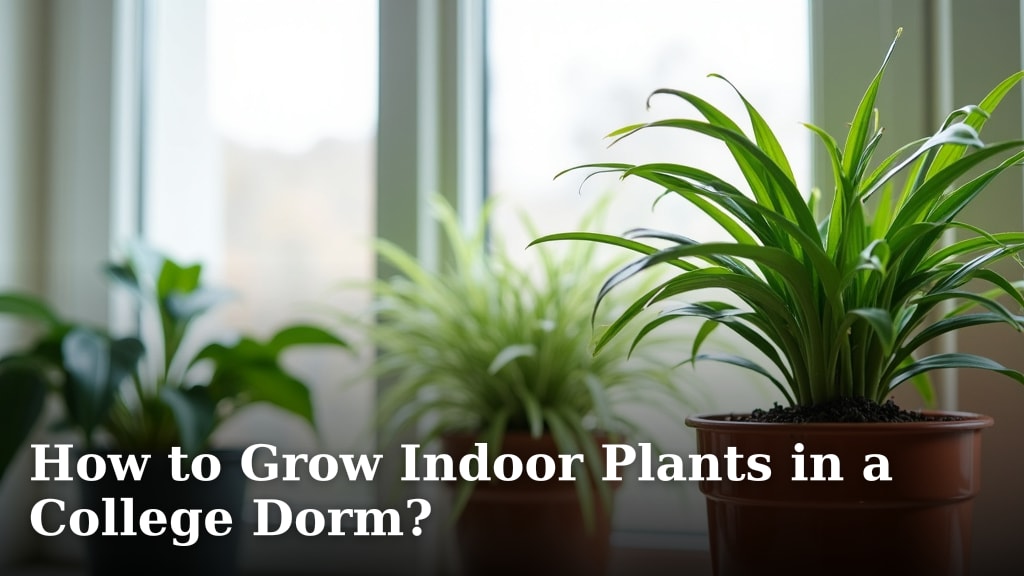
Yes, you absolutely can grow indoor plants in a college dorm, even with limited space and light! Many students find that a few leafy friends can make their small room feel much more like home. The key is choosing the right plants and learning a few simple care tricks.
Bringing a bit of green into your dorm room can seriously boost your mood and help reduce stress. Research shows that plants can improve air quality and create a more calming environment. You don’t need a green thumb to succeed; just a little know-how goes a long way toward making your dorm a little oasis. Plus, your plant might just become your most reliable study buddy!
- Choose low-maintenance plants suited for dorm life.
- Find spots with enough light, even if it’s not direct sun.
- Water carefully – overwatering is a common mistake.
- Consider small pots to save precious dorm space.
- Don’t forget to fertilize occasionally for healthy growth.
Ready to transform your dorm into a tiny jungle? Let’s get your dorm room plant journey started with some easy-to-follow tips.
Your Dorm Room Jungle: Growing Plants in Small Spaces
Bringing a touch of nature into your college dorm can make a huge difference. You might think dorm life means no room for greenery. But with a few smart choices, you can absolutely create your own little oasis. This guide will help you pick the right plants and care for them, even with limited space and sunlight. Let’s turn your dorm into a happy, healthy green space!
Choosing the Right Plants for Dorm Life
Not all plants are created equal when it comes to dorm living. You need plants that are tough, forgiving, and don’t need a ton of sunlight. Think of them as your chill study buddies. They won’t demand constant attention. We’ve found some top contenders that thrive in typical dorm conditions.
Low-Light Lovers: Plants That Don’t Need Direct Sun
Most dorm rooms don’t get much direct sunlight. That’s okay! Many plants are happy with bright, indirect light. This means light that bounces off walls or comes through a frosted window. These plants are perfect for bringing life to darker corners. Many plants are happy with bright, indirect light, which is perfect for bringing life to darker corners.
- Snake Plant (Sansevieria): These are super tough and can handle low light. They also help purify the air. They look modern and stylish too.
- ZZ Plant (Zamioculcas zamiifolia): Another champion of neglect. ZZ plants store water in their roots, making them drought-tolerant. They tolerate very low light levels.
- Pothos (Epipremnum aureum): Pothos are trailing plants that come in many varieties. They are very forgiving if you forget to water them. They’ll even tell you when they need a drink by wilting slightly.
- Spider Plant (Chlorophytum comosum): These are easy to care for and produce little “babies” you can propagate. They prefer bright, indirect light but can tolerate lower light.
Air Purifiers: Plants That Clean Your Room’s Air
Living in close quarters can sometimes mean stale air. Plants are nature’s air filters! Research has shown that indoor plants can help remove common pollutants from the air. This is great for your well-being and study focus. For example, NASA has conducted studies on plants that purify indoor air.
- Peace Lily (Spathiphyllum): These plants have beautiful white flowers and are excellent air purifiers. They’ll droop dramatically when thirsty, acting as a clear indicator.
- Chinese Evergreen (Aglaonema): These come in many attractive leaf patterns. They are known for their ability to remove toxins from the air and tolerate low light.
Compact Growers: Plants for Small Spaces
Your dorm room is likely small. You need plants that don’t take up too much real estate. Small pots and compact growth habits are your friends. Think vertical or trailing plants that can hang or sit on shelves.
- Succulents and Cacti: These desert dwellers need very little water and lots of light. If you have a sunny windowsill, they are a great option. Remember, they still need some light, so a dark corner won’t work.
- Air Plants (Tillandsia): These unique plants don’t need soil! You can display them in a small dish or terrarium. They absorb moisture and nutrients from the air.
Finding the Right Spot for Your Green Friends
Light is probably the biggest factor for plant success in a dorm. You don’t need a bright, sunny window to grow many plants. Understanding your dorm’s light conditions is key. Let’s figure out where your new plant will be happiest.
Assessing Your Dorm’s Light Levels
Take a good look around your room. Where does the light come from? Is it a big window or a small one? Does it face north, south, east, or west? Most dorm windows are not ideal for sun-loving plants. But many plants are happy with the ambient light in a room.
Low Light: Areas far from windows, or rooms with north-facing windows. Plants like Snake Plants and ZZ Plants will do well here. They are tolerant of dimmer conditions.
Medium Light: Areas near windows that don’t get direct sun for more than a few hours. This is ideal for Pothos and Spider Plants. Bright, indirect light is best for many houseplants.
Bright Light: A windowsill that gets direct sun for at least 3-4 hours a day. This is where your succulents and cacti will be happiest. Be careful, as too much direct sun can scorch some leaves.
Maximizing Limited Light
What if your dorm is perpetually dim? Don’t despair! You can still bring in some green. Consider placing plants directly on your desk if it’s near a window. You can also use small, adjustable desk lamps. Some lamps even come with grow light bulbs. These bulbs provide the specific light spectrum plants need to grow. They are an investment that can make a big difference.
Watering Wisely: The Art of Not Drowning Your Plants
Overwatering is the number one killer of houseplants. Seriously, more plants die from too much love than too little. Dorm rooms can have different humidity levels, so it’s important to check your plant’s soil.
How to Tell When to Water
The best way to know if your plant needs water is to feel the soil. Stick your finger about an inch or two into the soil. If it feels dry, it’s time to water. If it feels moist, wait a few more days. Your plants will thank you for not guessing.
Another indicator is how the plant looks. Many plants, like Peace Lilies, will droop a bit when they’re thirsty. Don’t let them get completely dried out, but this visual cue is very helpful.
Watering Techniques for Dorms
Use a small watering can or even a sturdy cup. Water the soil directly, not the leaves. Try to water evenly until you see a little water drain into the saucer. If your pot doesn’t have drainage holes, be extra careful. You don’t want water sitting at the bottom.
Let excess water drain away. Sitting in soggy soil can lead to root rot. This is a common problem, especially in pots without drainage. We found that letting pots sit in a tray of water for a short while can help some plants if the soil is very dry. But always let them drain afterward.
Feeding Your Plants: A Little Goes a Long Way
Plants need nutrients to grow strong. Your dorm room soil won’t last forever. Fertilizing is important, but it’s easy to overdo it. Think of it as a light snack, not a huge meal.
When and How to Fertilize
Most houseplants only need fertilizer during their growing season. This is usually spring and summer. You can stop fertilizing in the fall and winter. Your plants are resting then. Use a balanced liquid fertilizer. Dilute it to half strength. This means mixing half the recommended amount with water.
Fertilize maybe once a month during the growing season. This is plenty for most dorm plants. Over-fertilizing can damage the roots. It can also cause a buildup of salts in the soil. This can harm your plant over time.
Potting and Repotting Your Dorm Plants
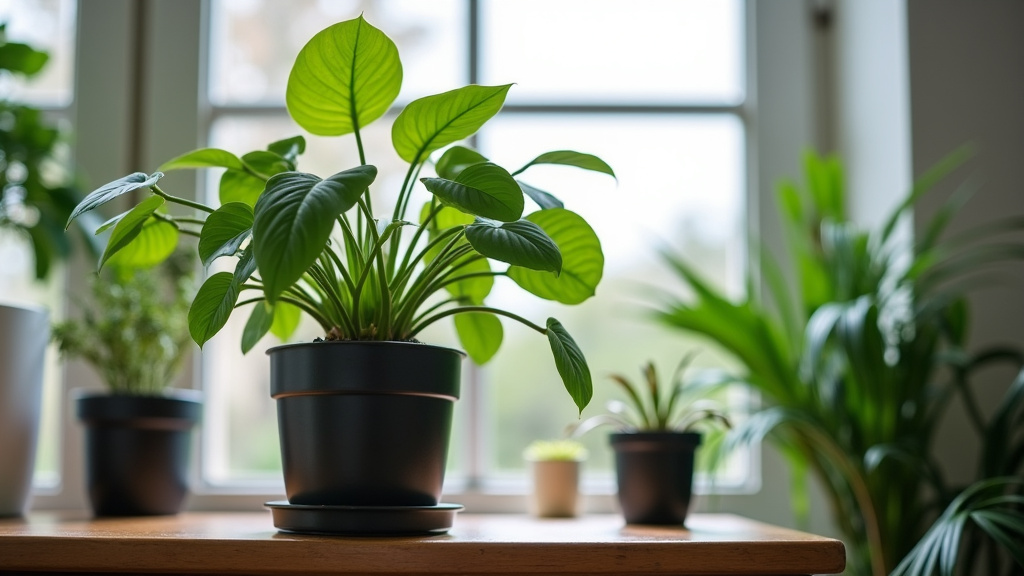
The pots your plants come in might be too big or too small for your dorm space. Choosing the right size pot is important for plant health. It also affects how often you need to water.
Size Matters: Choosing the Right Pot
For dorm rooms, smaller pots are generally better. They save space and are easier to handle. Look for pots that are only 1-2 inches wider than the plant’s root ball. A pot that’s too large will hold too much moisture. This increases the risk of root rot. For dorm rooms, smaller pots are generally better as they save space and are easier to handle.
When to Repot
You probably won’t need to repot often in college. Most plants only need repotting every 1-2 years. Signs your plant needs a bigger pot include roots growing out of the drainage holes. You might also see water draining very quickly. Or the plant might seem to stop growing altogether.
When you do repot, use a pot that is just one size up. Fill the new pot with fresh potting mix. Gently remove the plant from its old pot. Loosen the roots slightly. Place it in the new pot at the same depth it was before. Water thoroughly.
Troubleshooting Common Dorm Plant Problems
Even with the best care, you might encounter a few issues. Don’t panic! Most plant problems are easy to fix with a little patience.
Yellowing Leaves: What Does It Mean?
Yellow leaves can mean several things. The most common cause is overwatering. If the soil is constantly wet, the roots can’t breathe. Let the soil dry out more between waterings. Another cause can be underwatering. If the soil is bone dry, the plant might be stressed. Check the soil moisture first.
Sometimes, yellow leaves are just a sign of an older leaf dying off. It’s natural for plants to shed old leaves. If only one or two leaves are yellowing, it’s likely not a major issue.
Pests: Small Invaders in Your Dorm
Tiny bugs can sometimes show up on your plants. Common pests include spider mites, mealybugs, and fungus gnats. These can often be wiped away with a damp cloth. You can also use insecticidal soap. Always follow the product instructions carefully.
Fungus gnats are tiny flies that hover around the soil. They are harmless to the plant but annoying. They are often a sign of soil that is too wet. Let the top layer of soil dry out completely.
Dusty Leaves: Keep Them Clean!
Plant leaves can collect dust. This blocks sunlight and makes it harder for the plant to “breathe.” Gently wipe down the leaves with a damp cloth. This keeps them looking nice and helps them function better.
Your Dorm Plant Care Checklist
Here’s a quick rundown to keep your dorm plants thriving:
- Pick the right plant: Choose low-maintenance varieties suited for dorm light.
- Find a good spot: Assess light levels and place your plant accordingly.
- Water wisely: Check soil moisture before watering. Avoid soggy soil.
- Feed sparingly: Fertilize only during the growing season, diluted.
- Keep it clean: Wipe dusty leaves regularly.
- Observe your plant: Watch for signs of stress or pests.
Conclusion
You’ve got this! Bringing plants into your dorm room is totally achievable and incredibly rewarding. By choosing forgiving plants like Pothos or Snake Plants, finding the right spot with adequate light, and mastering the art of careful watering, you can create a thriving green space. Remember to feed them sparingly and keep those leaves clean. Don’t be afraid to get started; your new leafy friends are waiting to brighten your dorm life and your studies. Your first step is to scout out your dorm’s light conditions and pick out one or two easy-care plants from our list!
Frequently Asked Questions
Can I have plants in my dorm if there’s no natural sunlight?
Yes, you can! Plants like the Snake Plant and ZZ Plant tolerate very low light conditions. If your dorm is extremely dark, consider using a small desk lamp with a grow light bulb. This will provide the necessary light spectrum for your plants to grow.
How often should I water my dorm plants?
It’s best to check the soil moisture before watering. Stick your finger about an inch or two into the soil; if it feels dry, it’s time to water. If it’s still moist, wait a few more days. Overwatering is a common mistake, so it’s better to underwater slightly than to overwater.
What’s the best way to water plants in small dorm pots?
Use a small watering can or cup to water the soil directly. Water until you see a little bit drain into the saucer. If your pot doesn’t have drainage holes, be extra cautious to avoid waterlogging the soil. Always allow excess water to drain away completely.
Will my plants survive over breaks if I go home?
For short breaks, your plants might be okay if they don’t need watering. For longer breaks, ask a friend to check on them, or consider setting up a self-watering system. Some low-maintenance plants can survive a week or two without water if they are well-established.
Are there any plants that are generally safe for pets if I have a cat or dog visiting?
While many common dorm plants are considered toxic if ingested, some are generally safe. Spider plants and certain succulents are often listed as non-toxic. However, it’s always best to research specific plant varieties and consult reliable pet safety guides if you have pets visiting or living with you.
