
How to Arrange a Plant Shelf with Grow Lights?
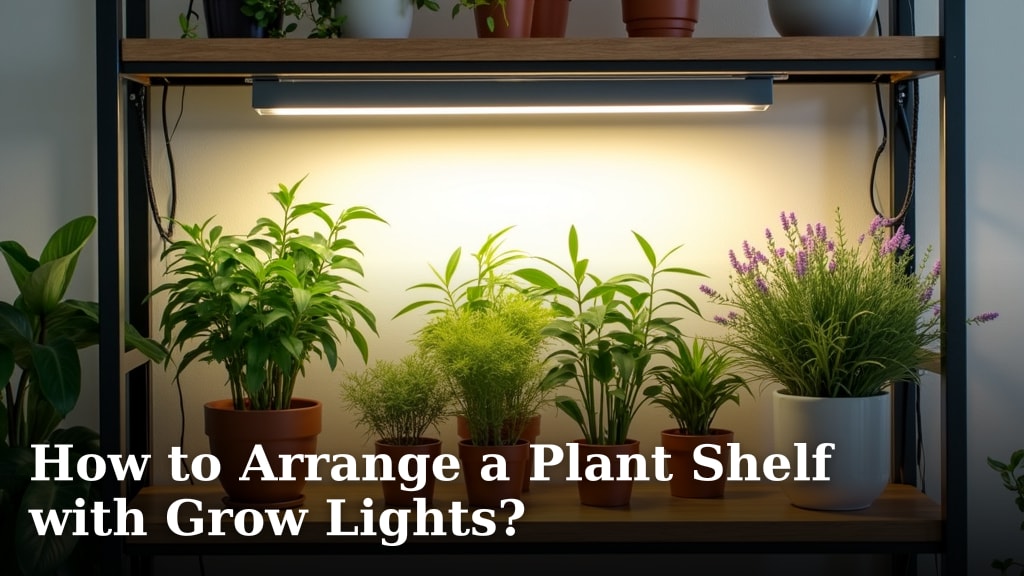
Arranging a plant shelf with grow lights is easier than you think, and great for your plants’ health. You can create a thriving indoor garden by choosing the right lights and placing them strategically. Proper lighting ensures your plants get the energy they need to grow, even without ample natural sunlight. This helps prevent legginess and promotes healthier, more vibrant foliage. You’ll be surprised how much a little artificial sunshine can do!
Many indoor gardeners struggle to keep their plants happy, especially during darker months. Using grow lights on your plant shelf offers a consistent light source. This helps prevent legginess and promotes healthier, more vibrant foliage. You’ll be surprised how much a little artificial sunshine can do!
- Choose lights based on plant needs.
- Position lights correctly above plants.
- Use timers for consistent light cycles.
- Monitor plant growth and adjust as needed.
Ready to give your green friends the best possible setup? Let’s walk through exactly how to arrange your plant shelf with grow lights to make your plants happy and healthy.
Setting Up Your Plant Shelf with Grow Lights
Creating a beautiful and functional plant shelf with grow lights is a rewarding project. It ensures your indoor plants get the light they need to thrive, no matter the season. This guide will walk you through the essentials. You’ll learn how to choose the right lights and arrange them effectively for optimal plant health.
Choosing the Right Grow Lights for Your Plants
The first step is selecting the best grow lights for your specific plant collection. Not all lights are created equal, and your plants have different needs. Think about what kind of plants you have and how much light they naturally prefer.
Understanding Light Spectrum and Intensity
Plants use different colors of light for various growth processes. The spectrum refers to the colors of light emitted. Full-spectrum lights mimic natural sunlight. They provide a balance of red and blue light, which are essential for photosynthesis and overall growth. Blue light is great for leafy growth. Red light helps with flowering and fruiting.
Intensity, often measured in PPFD (Photosynthetic Photon Flux Density), tells you how much light energy reaches your plants. Different plants need different intensities. For example, succulents need high intensity. Delicate ferns prefer lower intensity. You can find charts online to help you determine the needs of your specific plants (NCBI).
Types of Grow Lights Available
There are several types of grow lights you can consider. Each has its pros and cons regarding cost, energy efficiency, and light quality.
LED Grow Lights
LED (Light Emitting Diode) lights are the most popular choice for home growers. They are energy-efficient, meaning they use less electricity than older types of lights. They also produce less heat, which is a big plus for indoor setups. LEDs last a long time, so you won’t be replacing them often.
You can find LEDs in various shapes and sizes. Some are bulbs that fit into standard fixtures. Others are strips or panels designed specifically for plant growth. Many offer full-spectrum options, ensuring your plants get the right mix of colors.
Fluorescent Grow Lights
Fluorescent lights, like T5 or T8 tubes, are another good option. They are more affordable upfront than LEDs. They also produce a good amount of light. However, they are less energy-efficient and generate more heat. Fluorescent bulbs need to be replaced more frequently than LEDs.
Incandescent and Halogen Lights (Generally Not Recommended)
Incandescent and halogen bulbs are generally not suitable for growing plants. They produce too much heat and the wrong kind of light spectrum. They are also very inefficient. Stick with LEDs or fluorescents for the best results.
What to Look For When Buying Grow Lights
When you’re shopping, check the light’s specifications. Look for the color temperature (measured in Kelvin), which indicates the light’s hue. A range of 5000K to 6500K is often ideal for vegetative growth. Also, check the reported PAR (Photosynthetically Active Radiation) output.
Consider the coverage area of the light. Make sure it’s designed to cover the space of your plant shelf adequately. For example, a single small bulb might not be enough for a whole shelf of plants. Always read reviews from other plant owners.
Arranging Your Plant Shelf for Optimal Lighting
Once you have your grow lights, the next step is placing them correctly. This involves positioning the lights and the plants in a way that maximizes light exposure and promotes healthy growth.
Determining Light Placement and Height
The distance between your grow lights and your plants is critical. If the lights are too far away, your plants won’t get enough energy. If they are too close, they can scorch your plants. A good rule of thumb is to consult the manufacturer’s recommendations for your specific light model. For many LED lights, a distance of 6 to 18 inches is common.
Many experts suggest starting with the lights a bit further away and gradually moving them closer. Observe your plants for signs of stress. Drooping leaves or bleached spots might indicate the light is too intense or too close. Leggy growth, where stems stretch out with large gaps between leaves, means they need more light or the light needs to be closer.
Using Timers for Consistent Light Cycles
Consistency is key for plant growth. Just like natural daylight, your plants benefit from a regular light schedule. Most plants need about 12 to 16 hours of light per day. Some, like succulents, might need fewer hours. Others, like those intended for flowering, might need specific cycles.
A simple electrical timer can automate this process. You can plug your grow lights into the timer. Then, set the timer to turn the lights on and off at the same times each day. This removes the guesswork and ensures your plants get their needed rest period in darkness, which is also vital for their health (University of Florida Extension).
Organizing Plants Based on Light Needs
Not all plants on your shelf will have the same light requirements. It’s helpful to group them accordingly. Place plants that need more intense light closer to the grow lights. Position those that prefer lower light levels further away or slightly to the side.
Think of it like arranging seating at an outdoor concert. The front-row seats get the best view. Plants that are thirstier for light should be in those prime spots. Plants that are happy with less direct sun can enjoy the benefits from a bit further back.
Dealing with Shadows and Overlapping Light
When arranging multiple plants, be mindful of shadows. Taller plants or those with large leaves can block light from smaller plants underneath. You might need to rotate your plants occasionally. This ensures every part of the plant gets some light exposure. If your grow light fixture has adjustable arms or different light sources, you can position them to minimize dark spots.
Overlapping light can also be an issue if you have multiple light sources. While some overlap is fine, too much might mean certain areas are receiving excessive light. Adjust the position of your lights or shelves to create a more even distribution.
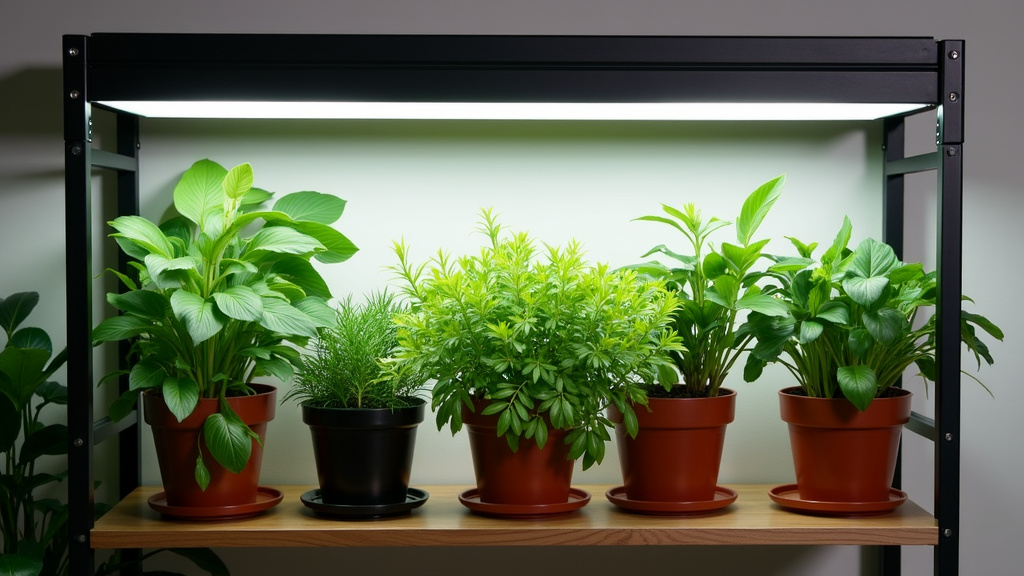
Monitoring and Adjusting Your Plant Shelf Setup
Setting up your plant shelf is not a one-time task. Plants are living things, and their needs can change. Regularly observing your plants will help you make necessary adjustments.
Signs Your Plants Need More or Less Light
Educate yourself on common signs of light distress. Yellowing leaves, especially at the top of the plant, often indicate too much light. Leggy, stretched growth is a clear sign of insufficient light. Browning or crispy leaf edges can mean the light is too close or too intense.
Conversely, if plants seem happy and are growing well, your setup is likely working. You might see new leaves unfurling regularly. The plant’s color should be vibrant and consistent.
Making Adjustments to Light Height and Duration
If you notice your plants are stretching, try moving the grow lights a few inches closer. If they look stressed or bleached, move the lights further away. You can also adjust the timer. If plants aren’t growing much, consider increasing the light duration by an hour or two. If they show signs of too much light, shorten the duration.
It’s often a process of small, incremental changes. Don’t make drastic alterations all at once. Give your plants time to respond to each adjustment before deciding on the next step.
Rotating Plants for Even Growth
As mentioned, plant rotation is important. Turn your plants 180 degrees every few days. This ensures all sides receive adequate light. This is especially helpful for plants that grow in a directional manner. It prevents them from becoming lopsided. Even rotating them by a quarter turn can make a difference over time.
Checklist for Your Perfect Plant Shelf Setup
Here’s a quick checklist to help you get started and maintain your plant shelf:
- Measure your shelf space and plant collection size.
- Research the light needs of your specific plants.
- Select grow lights (LEDs are a great starting point).
- Determine the correct hanging height for your lights.
- Set up a timer for consistent light cycles (12-16 hours daily).
- Observe your plants regularly for signs of stress or happy growth.
Conclusion
You’ve now learned how to create a thriving indoor garden by strategically arranging your plant shelf with grow lights. Remember, choosing the right lights and positioning them correctly are key. Consistent light cycles, managed by timers, and mindful plant placement will make all the difference. Keep observing your plants. They’ll tell you when they need adjustments. With these steps, you can bring vibrant life into any corner of your home. Now, go ahead and set up your own plant haven!
Frequently Asked Questions
How close should grow lights be to my plants?
The ideal distance varies by light type and intensity. As a general rule for LEDs, start with lights 6 to 18 inches above your plants. Always check the manufacturer’s recommendations for your specific lights. Observe your plants for any signs of scorching or stretching, and adjust as needed.
What is the best type of grow light for a beginner?
LED grow lights are an excellent choice for beginners. They are energy-efficient, produce less heat, and last a long time. You can find them in various forms, like bulbs or strips, that fit easily into home setups. They offer a good balance of performance and ease of use.
How many hours a day should my plants be under grow lights?
Most indoor plants thrive with 12 to 16 hours of light per day. Some plants may need slightly more or less. It’s important to provide a consistent daily schedule using a timer. Also, ensure your plants get a period of darkness each day for rest.
Can I use regular household light bulbs as grow lights?
Standard incandescent or halogen bulbs are not recommended for growing plants. They tend to produce too much heat and lack the necessary light spectrum for healthy plant growth. Specialized grow lights, like LEDs or fluorescents, are much more effective.
How do I know if my plant is getting too much or too little light?
Signs of too much light include yellowing leaves at the top or bleached-looking spots. Too little light often results in leggy, stretched growth with large gaps between leaves. Crispy or brown leaf edges can also indicate light that is too close or too intense.
