
How to Grow an Indoor Vertical Garden?
Growing an indoor vertical garden is a fantastic way to add fresh greens and herbs to your home. You can easily create one using readily available materials, perfect for even the smallest spaces. It’s a great project for beginners and experienced gardeners alike, bringing nature right into your living room or kitchen. You’ll be amazed at how much you can grow.
Vertical gardens maximize growing space by growing plants upwards. This method is ideal for urban dwellers or anyone with limited floor space. It can improve air quality and add a beautiful green element to your decor. You can grow a surprising variety of plants this way, from leafy greens to small fruiting plants.
- Choose the right system for your space.
- Select plants that suit your light conditions.
- Provide proper watering and nutrient support.
- Harvest your produce regularly for best results.
Ready to start your own leafy haven? Let’s walk through exactly how to set up your indoor vertical garden step by step.
Setting Up Your Indoor Vertical Garden
Transforming a small space into a thriving indoor garden is totally achievable. You’ll be amazed at how much fresh produce you can harvest. This guide will walk you through each step. We’ll cover everything from choosing the right system to keeping your plants happy and healthy.
Choosing the Right Vertical Garden System
Think of this as picking the perfect outfit for your plants. Several systems exist, each with its own charm and suitability for different spaces. Understanding these options is the **first big step**.
Types of Vertical Garden Systems
You have a few main players in the vertical garden game. Each offers a unique way to stack your greenery upwards.
Wall-Mounted Planters
These are like art pieces for your wall. Planters attach directly to the wall. They can be individual pots or connected modules. Many people find them **easy to install** and quite stylish. They work well for smaller herbs and succulents.
Pocket or Fabric Systems
Imagine a sturdy fabric organizer, but for plants. These systems feature multiple pockets sewn into a felt or canvas material. You simply fill the pockets with soil. They are lightweight and **very flexible**, making them ideal for renters. Just ensure your wall can support the weight when watered.
Tiered Shelving Units
This is perhaps the most straightforward method. You stack pots on shelves. It’s like a mini, upright greenhouse. Look for shelves designed for plants, or repurpose existing ones. The key here is **good airflow** between levels.
Hydroponic Tower Gardens
These are a bit more advanced but incredibly efficient. They use water and nutrient solutions to grow plants without soil. Plants are suspended in the tower, and water is pumped to their roots. Many experts point to hydroponics as a **highly productive method** (University of Illinois Extension). They can be more costly upfront but save on soil and water long-term.
DIY Options
Feeling creative? You can build your own system. Pallets, old gutters, or even repurposed plastic bottles can become vertical planters. We found that creativity often leads to **unique and cost-effective solutions**. Just make sure your materials are safe and sturdy.
Factors to Consider When Choosing
Before you buy or build, let’s talk about what matters most for your setup.
Space and Location
Where will your garden live? Measure your available wall space or floor area. Consider how much light that spot gets. A sunny windowsill might suit wall-mounted pots. A larger, brighter area could accommodate a tower garden.
Budget
Vertical gardens range from very affordable DIY projects to pricier hydroponic systems. Set a **realistic budget** early on. You can always start small and expand later.
Maintenance Level
Are you a hands-on gardener or looking for something more automated? Fabric pockets need regular watering. Hydroponic systems require nutrient monitoring. Tiered shelves might need less frequent attention. Choose a system that fits your lifestyle.
Weight Considerations
Especially for wall-mounted systems, always check the total weight. Soil, water, and plants can get surprisingly heavy. Ensure your walls can support it. You might need **special anchors** or to attach to studs.
Selecting the Right Plants for Your Indoor Garden
Not all plants are created equal when it comes to indoor vertical gardening. Think about what you love to eat and what will thrive in your chosen spot.
Light Requirements Are Key
This is **non-negotiable**. Plants need light to grow. Your available light will dictate your plant choices.
Full Sun (6+ Hours Direct Light)
If you have bright, south-facing windows, you’re in luck! Plants like tomatoes (dwarf varieties), peppers, and some herbs (rosemary, thyme) can do well. You might even consider some small strawberries.
Partial Shade (4-6 Hours Indirect Light)
Many leafy greens fall into this category. Think lettuce, spinach, arugula, and kale. Many herbs like parsley, cilantro, and mint also prefer this. These are **excellent choices** for beginners.
Low Light (Less than 4 Hours Indirect Light)
Even with limited light, you can grow certain plants. Many houseplants do well, like snake plants or ZZ plants. For edibles, consider mushrooms or microgreens. You may need to supplement with **grow lights** for most edibles.
Planting Considerations
Beyond light, a few other things influence plant selection.
Size and Growth Habit
Choose plants that won’t quickly outgrow your system. Bushy plants might need more space than vining ones that can be trained. Dwarf varieties are often your **best bet** for smaller systems.
Root System Depth
Shallow containers or pockets work best for plants with less extensive root systems. Root vegetables like carrots or potatoes are generally not suitable for most vertical gardens. Leafy greens and herbs are usually **well-suited**.
What Do You Love to Eat?
Ultimately, grow what you’ll use! Fresh herbs for cooking, salad greens for sandwiches, or maybe a few cherry tomatoes for snacking. A garden you’ll actually **harvest from** is a happy garden.
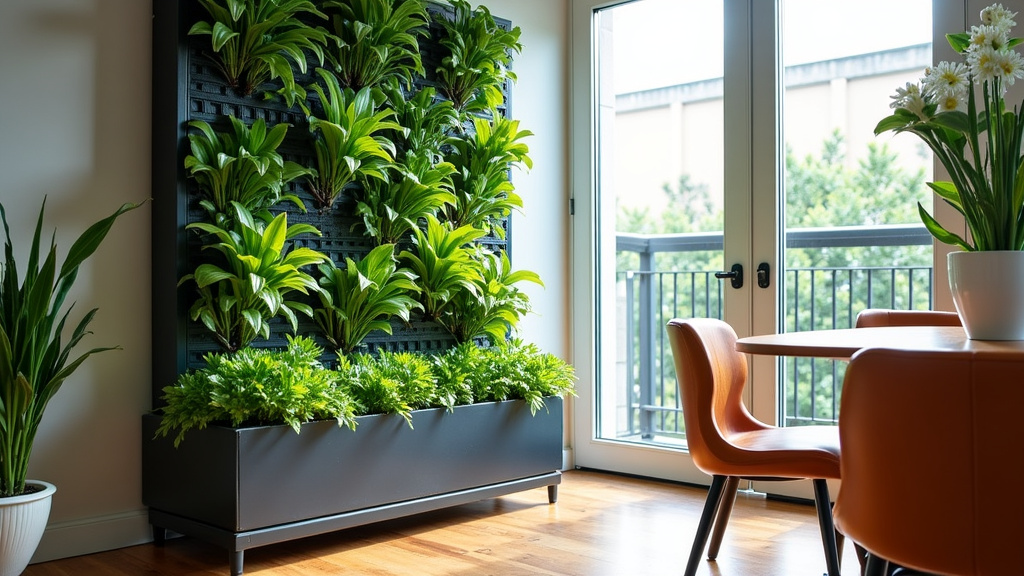
Setting Up Your Vertical Garden: Step-by-Step
Now for the fun part – assembly and planting!
Prepare Your System
Follow the manufacturer’s instructions if you bought a kit. If you’re DIYing, ensure all parts are clean and securely fastened. For fabric pockets, you might want to **line them** with a plastic sheet to prevent water damage to your wall, leaving drainage holes at the bottom.
Choose Your Growing Medium
For soil-based systems, a high-quality potting mix is essential. It should be **light and well-draining**. Avoid using heavy garden soil. For hydroponics, you’ll use an inert medium like rockwool, coco coir, or clay pebbles.
Planting Your Greens
Gently transplant seedlings or sow seeds according to their needs. If using seeds, ensure they are planted at the correct depth. Water them in lightly. If using seedlings, **handle the roots with care** to minimize transplant shock.
Watering Your Garden
Watering is critical for vertical gardens. Many systems drain from top to bottom. Ensure the **top layers get enough moisture** without overwatering the bottom. You might need to water more frequently than you would for a traditional garden. Check soil moisture by touch – it should feel slightly damp, not soggy.
Nutrient Needs
If you’re using soil, your potting mix will have some nutrients to start. However, for continuous growth, you’ll need to supplement. A balanced liquid fertilizer diluted according to package directions can be applied every few weeks. For hydroponic systems, you’ll use a **specific nutrient solution** mixed into the water reservoir.
Light, Light, Light!
As discussed, adequate light is vital. If natural light isn’t enough, consider adding grow lights. Full-spectrum LED grow lights are **energy-efficient** and effective. Position them to cover your plants evenly. If natural light isn’t enough, consider adding grow lights; learn how to set up a grow light for indoor plants.
Maintaining Your Thriving Vertical Garden
Keeping your garden looking lush requires a little ongoing attention. Think of it as regular check-ups for your green friends.
Regular Watering and Monitoring
The most common mistake is over or underwatering. Stick your finger about an inch into the soil. If it feels dry, it’s time to water. Systems with reservoirs, like some towers, might need less frequent refilling, but still check the **moisture levels**.
Feeding Your Plants
Soil-based plants will need nutrients added over time. Follow your fertilizer’s instructions carefully. Over-fertilizing can harm plants, while under-fertilizing leads to **slow growth** and poor yields. Hydroponic systems require regular nutrient solution checks and top-offs.
Pest and Disease Patrol
Indoor gardens are less prone to pests, but they can still happen. Regularly inspect your plants for any signs of trouble, like tiny bugs or unusual spots on leaves. Early detection is **key to easy management**. Often, a gentle wipe with a damp cloth or a spray of mild insecticidal soap can solve the problem.
Pruning and Harvesting
Harvesting is the reward! Regularly pick your herbs and greens. This encourages more growth. Trim away any yellowing or dead leaves. Pruning also helps **maintain plant shape** and prevents overcrowding. Many leafy greens can be harvested a few leaves at a time, allowing the plant to continue producing.
Seasonal Adjustments
Even indoors, plants respond to changes. In winter, days are shorter, and light intensity decreases. You may need to **supplement with more light** or reduce watering slightly. Observe your plants; they’ll often tell you what they need.
Checklist for Vertical Garden Success
- System Setup: Ensure your chosen system is stable and ready.
- Light Source: Confirm adequate natural or artificial light.
- Plant Selection: Choose plants suited to your light and space.
- Proper Soil/Medium: Use a light, well-draining potting mix or appropriate hydroponic medium.
- Watering Schedule: Develop a consistent watering routine based on plant needs.
- Nutrient Plan: Know when and how to fertilize.
Conclusion
You’ve learned how to bring the joy of gardening indoors with a vertical system. From choosing the right setup to picking plants that will thrive, you’re ready to start. Remember to focus on light, water, and nutrients for your plants. Your indoor garden can provide fresh flavors and a touch of nature. Now, gather your supplies and pick your first system to begin your green journey!
Frequently Asked Questions
What’s the easiest type of vertical garden for a beginner?
For beginners, tiered shelving units or wall-mounted planters are often the easiest to start with. They require less technical setup than hydroponic systems and are forgiving for new gardeners.
How often should I water my indoor vertical garden?
Watering frequency depends on your system, plants, and environment. Check the soil moisture by touching it; it should feel slightly damp. Typically, vertical gardens may need watering every few days, but always check before adding more water.
Can I grow vegetables in an indoor vertical garden?
Yes, you absolutely can! Leafy greens like lettuce and spinach, along with herbs, are excellent choices. Smaller fruiting plants like dwarf tomatoes or peppers can also do well with sufficient light.
Do I need special grow lights for an indoor vertical garden?
If your chosen location doesn’t get enough natural light (at least 4-6 hours of indirect light for most edibles), you will likely need grow lights. Full-spectrum LED lights are efficient and effective for this purpose.
What should I do if I see pests on my indoor vertical garden plants?
Inspect your plants regularly. If you spot pests, try a gentle approach first. Wiping leaves with a damp cloth or using a mild insecticidal soap spray can often resolve the issue without harming your plants or your indoor environment.
