
What Herbs Can You Grow Together in One Hydroponic System?
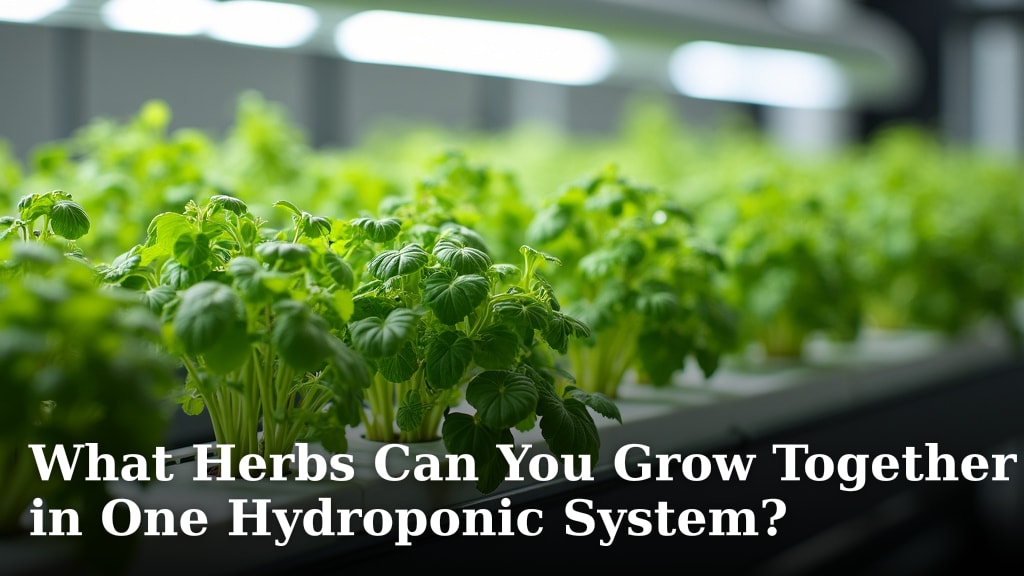
Yes, you can grow many different herbs together in one hydroponic system, as long as you choose plants with similar needs. Successful companion planting in hydro means matching light, nutrient, and pH requirements. This allows you to enjoy a diverse harvest from a single setup.
When planning your hydroponic garden, think about the environmental conditions each herb prefers. Grouping plants with like needs means less guesswork and more flourishing greens. We found that understanding these basics is key to avoiding common beginner mistakes and achieving a bountiful yield.
- Choose herbs with similar light and nutrient needs.
- Check pH requirements for compatible plants.
- Avoid overcrowding for better air circulation.
- Research specific herb pairings for best results.
Ready to get started? Let’s look at some popular herb combinations that thrive together in a hydroponic system.
Combining Herbs in Hydroponics: What Grows Well Together
Yes, you can absolutely grow many herbs together in one hydroponic system! The secret sauce is all about matching their needs. Think of it like arranging a dinner party: you want guests who enjoy similar conversations and activities. Your hydroponic herbs are no different.
We found that successfully grouping herbs relies on understanding their preferences for light, water, nutrients, and pH. When these align, your herbs will thank you with vigorous growth and delicious flavors. Let’s dive into how you can create a harmonious herb garden in your hydroponic setup.
Understanding Key Compatibility Factors
Before you start mixing and matching, it’s important to grasp the main factors that determine if herbs will thrive together. Getting these right is the foundation for a healthy, productive hydroponic garden.
1. Light Requirements: Bright Lights or Gentle Glow?
Herbs have different appetites for light. Some, like basil and mint, crave a lot of direct sunlight or strong grow lights. Others, such as parsley and chives, prefer slightly less intense light.
In a hydroponic system, you control the light source. It’s best to group herbs with **similar light needs**. If you have a powerful LED grow light, you can typically accommodate most leafy herbs. However, if some plants are getting too much light and others too little, you might see issues.
We found that placing sun-loving herbs near the center of your light source and those preferring less intense light on the edges can help. This ensures everyone gets their preferred dose without burning or stretching.
2. Nutrient and pH Preferences: The Herb Diet
All plants need nutrients, but the ideal balance can vary between herbs. Most common culinary herbs do well with a general hydroponic nutrient solution. However, some, like mint, can be a bit hungrier than others. If you’re interested in hydroponics, learning how to grow herbs hydroponically indoors can be very rewarding.
The pH level of your nutrient solution is also critical. Most herbs prefer a slightly acidic environment, typically between 5.5 and 6.5. Keeping your pH in this range is generally a safe bet for most common herbs.
Researching the specific pH needs of your chosen herbs is wise. Minor variations are usually manageable, but significant differences can stress your plants. We found that maintaining a stable pH reduces stress and promotes better nutrient uptake (University of Minnesota Extension).
3. Water and Humidity: Thirsty or Content with Moist?
Hydroponic systems manage water, but the amount of moisture around the plants matters. Herbs like basil and mint generally like consistent moisture. Others, like rosemary and thyme, prefer to dry out slightly between waterings and don’t enjoy constantly wet roots.
This can be a bit trickier in a hydroponic system, especially with different types of systems. For example, Deep Water Culture (DWC) keeps roots submerged, while Nutrient Film Technique (NFT) provides a constant flow.
We found that ensuring good air circulation around the plants helps prevent issues with excess humidity, which can lead to fungal diseases. Pruning your herbs can also improve airflow.
Great Herb Pairings for Your Hydroponic Garden
Now for the fun part! Let’s look at some popular herb combinations that tend to play nicely together in a hydroponic environment. These are based on general preferences and often work well for beginners.
The “Mediterranean Breeze” Combo
This group loves bright light and slightly less frequent watering, which can be simulated in some hydroponic setups. They also share a tolerance for similar nutrient levels.
- Rosemary: Prefers bright light and doesn’t like waterlogged roots. It can tolerate slightly lower nutrient levels once established.
- Thyme: Similar to rosemary, it enjoys good light and well-draining conditions. It’s fairly low-maintenance.
- Oregano: Thrives in bright light and is quite hardy. It can handle a range of nutrient solutions.
- Sage: Prefers good light and can get leggy if it doesn’t have enough. It doesn’t need excessively wet conditions.
We found that these herbs generally enjoy a slightly leaner nutrient solution than some of their more leafy counterparts, once they are mature.
The “Italian Classic” Mix
This is a very popular combination, as these herbs are staples in many kitchens. They generally have similar light and nutrient needs, making them excellent companions.
- Basil: A sun-lover that enjoys consistent moisture and warmth. It can be a bit of a nutrient hog.
- Parsley: Prefers bright light but can tolerate slightly less than basil. It likes consistent moisture.
- Oregano: As mentioned, it’s pretty adaptable and enjoys good light.
- Chives: These are quite forgiving and will grow well under most conditions, preferring consistent moisture and good light.
This group is fantastic for DWC systems because they all appreciate consistent moisture. Just ensure adequate space and light for everyone.
The “Cool & Fresh” Collection
These herbs bring a refreshing flavor and are often very vigorous growers. They generally like consistent moisture and good light.
- Mint: Be warned, mint is a vigorous grower and can take over! It loves consistent moisture and bright light. Consider giving it its own section or a larger container if mixing with less aggressive plants.
- Cilantro: Prefers bright light but can bolt (go to seed) quickly in heat. Consistent moisture is key.
- Dill: Needs good light and consistent moisture. It can grow quite tall, so plan accordingly.
- Lemon Balm: A member of the mint family, it’s a vigorous grower that likes consistent moisture and bright light.
We found that managing the growth of mint and lemon balm is key in this group. Regular harvesting helps keep them in check. They also benefit from slightly more frequent nutrient top-offs due to their rapid growth.
Herbs to Be Cautious About Combining
While many herbs are compatible, a few have special needs or tendencies that make them challenging to pair. It’s not that they *can’t* be grown hydroponically, but perhaps not with *everything* in the same reservoir.
High Demand vs. Low Demand Nutrient Users
Some herbs are very heavy feeders, meaning they consume a lot of nutrients. Others are quite content with a less concentrated solution. If you have a mix of these, you might need to find a compromise nutrient level that doesn’t starve the low-demand plants or burn the high-demand ones.
We found that generally, leafy herbs like basil and mint tend to be heavier feeders than woody herbs like rosemary and thyme. If you’re mixing these, start with a balanced nutrient solution for leafy greens and monitor closely.
Herbs Sensitive to Root Rot
Certain herbs, like rosemary and thyme, are prone to root rot if their roots are constantly submerged in water. This makes them less ideal for systems like DWC where roots are always wet. They might do better in a system with more air around the roots, or if you can adjust water levels.
This doesn’t mean you can’t grow them hydroponically, but you might want to choose a system that suits their needs better, such as Aeroponics or an ebb and flow system, or pair them with other herbs that tolerate similar conditions.
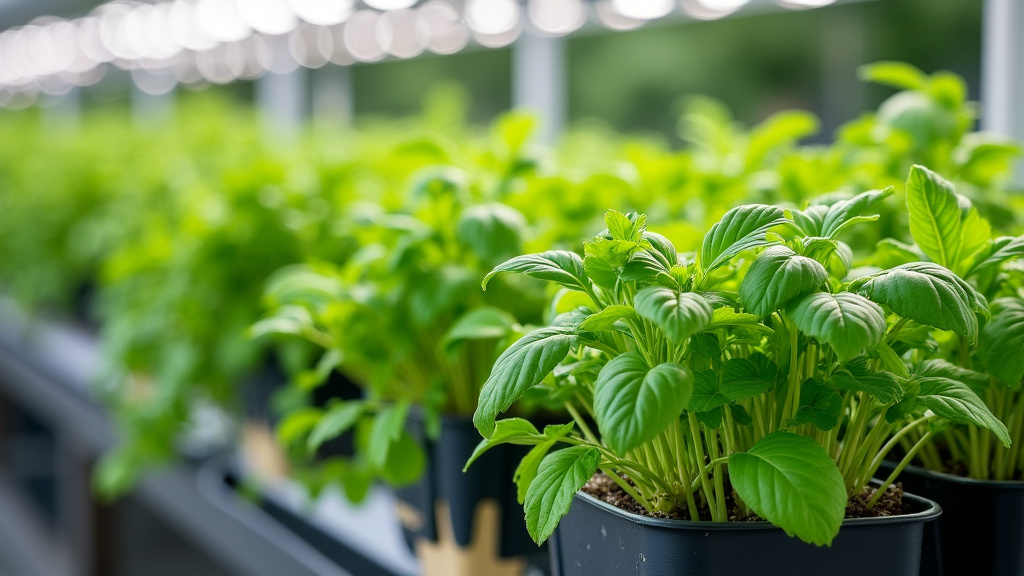
Choosing the Right Hydroponic System for Mixed Herbs
The type of hydroponic system you choose can also influence which herbs grow well together. Some systems offer more control over moisture levels and nutrient delivery.
Deep Water Culture (DWC)
DWC is excellent for herbs that love consistent moisture, like basil, mint, and parsley. Roots are submerged in oxygenated nutrient solution. It’s less ideal for drought-tolerant herbs.
Nutrient Film Technique (NFT)
NFT uses a thin film of nutrient solution flowing over the roots. It’s good for many leafy greens and herbs, offering a balance of moisture and oxygen.
Ebb and Flow (Flood and Drain)
This system periodically floods the grow bed with nutrient solution and then drains it. This cycle is great for many herbs as it provides both moisture and aeration to the roots, potentially accommodating a wider range of herb types.
We found that ebb and flow systems can be quite forgiving when mixing herbs with slightly different water needs, as the roots aren’t constantly submerged.
Tips for a Harmonious Hydroponic Herb Garden
To ensure your mixed herb garden thrives, keep these practical tips in mind. They’re simple steps that make a big difference in the health and productivity of your plants.
- Start Small: Begin with just a few compatible herbs.
- Monitor Regularly: Check pH, nutrient levels, and look for any signs of stress or disease daily.
- Prune Often: Regular harvesting and trimming encourages bushier growth and prevents overcrowding.
- Ensure Airflow: Good air circulation around your plants is key to preventing mold and mildew.
- Don’t Overcrowd: Give each herb enough space to grow and access light and nutrients.
- Research Specifics: Always check the individual needs of your chosen herbs.
By following these guidelines, you can create a diverse and productive hydroponic herb garden that yields fresh flavors year-round. Happy growing!
Conclusion
You’ve learned that growing multiple herbs together in one hydroponic system is absolutely achievable. The key is matching their light, nutrient, and pH needs. By understanding these compatibility factors, you can avoid common pitfalls and enjoy a truly diverse harvest. Don’t be afraid to start with a few tried-and-true pairings from our list. Your next step is to select your favorite herbs and get your system set up for a flourishing garden.
Frequently Asked Questions
Can I mix herbs that like lots of sun with those that prefer shade in one system?
Generally, it’s best to group herbs with similar light requirements. While you can sometimes create zones of light intensity, it’s simpler and more effective to pair sun-lovers with sun-lovers and those preferring less intense light together. We found this leads to less plant stress.
What is the biggest mistake beginners make when combining herbs?
A common mistake is not researching the individual needs of each herb. Mixing plants with vastly different water or nutrient demands can lead to one group thriving while the other struggles. We’ve seen this lead to disappointment for new growers.
How do I prevent aggressive growers like mint from taking over?
You can manage vigorous growers like mint by harvesting them frequently. Pruning them back regularly encourages bushier growth and prevents them from outcompeting other plants for light and nutrients. Some growers also choose to give mint its own dedicated section.
Is it okay to combine woody herbs (like rosemary) with leafy herbs (like basil) in the same reservoir?
You can, but be cautious. Woody herbs often prefer slightly less water and lower nutrient levels once established compared to leafy herbs. We found that a compromise nutrient level and ensuring good aeration are key. Monitor your plants closely for signs of stress.
What type of hydroponic system is best for growing a variety of herbs together?
Systems like Ebb and Flow (Flood and Drain) are quite forgiving for mixed herb gardens. They provide periodic watering and drainage, which can accommodate a wider range of water needs than systems like DWC, where roots are always submerged. NFT systems also work well for many combinations.
