
Do You Need a pH Meter for Hydroponics?
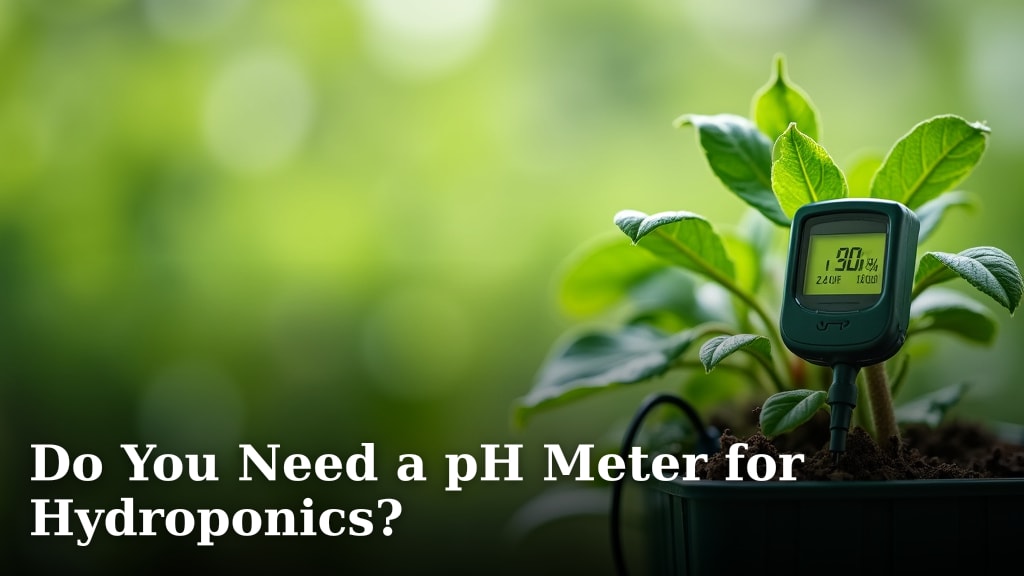
Yes, you absolutely need a pH meter for hydroponics if you want to grow healthy plants. Without one, you’re essentially guessing at your nutrient solution’s acidity. This guesswork can lead to nutrient lockout, poor growth, and unhealthy roots. A pH meter is a small but mighty tool.
Your plants can only absorb nutrients within a specific pH range. If the pH is too high or too low, those nutrients become unavailable. Many hydroponic growers find that regular monitoring prevents common problems. It’s like having a doctor for your plant food.
- pH meters are essential for hydroponic success.
- They ensure your plants can absorb nutrients.
- Incorrect pH can cause nutrient lockout and stunted growth.
- A reliable pH meter is a wise investment for growers.
Let’s dive into why this little device is so important and how it can help your hydroponic garden thrive.
So, you’re diving into the exciting world of hydroponics. That’s fantastic! You’re probably wondering about all the gear you might need. One item that often comes up is a pH meter. You might be asking yourself, “Do I really need this little gadget for my hydroponic setup?” Let’s get straight to it.
Why Your Hydroponic Plants Need pH Control
The short answer is a resounding yes. If you want your hydroponic plants to grow strong and healthy, a pH meter isn’t just a nice-to-have; it’s practically a necessity. Think of it like this: your plants are like picky eaters when it comes to their food, which is your nutrient solution.
They can only “eat” or absorb the food you give them when it’s at the right pH level. If the pH is too high or too low, the nutrients are still there, but your plants just can’t grab them. This is a problem called nutrient lockout. It’s like having a full pantry but no way to open the doors.
Understanding Hydroponic pH
pH stands for potential of hydrogen. It’s a scale that measures how acidic or alkaline a solution is. The scale runs from 0 to 14. A pH of 7 is neutral. Anything below 7 is acidic, and anything above 7 is alkaline (or basic).
For most hydroponic systems, growers aim for a pH range between 5.5 and 6.5. This is the sweet spot where plants can access the widest array of essential nutrients. Research shows that different nutrients are best absorbed at slightly different pH levels. However, this narrow range is a good compromise for overall nutrient availability (Oregon State University Extension).
The Danger of “Guessing” Your pH
Many beginners try to get by without a pH meter. They might add nutrients and adjust their water, thinking they’re close. But here’s the reality: it’s incredibly difficult to get the pH right without measuring it. Your tap water might have a starting pH, but adding nutrients can drastically change it. Even small fluctuations can cause big problems.
When the pH is out of range, even for a short time, your plants can start showing signs of nutrient deficiencies. You might see yellowing leaves, stunted growth, or wilting. It’s frustrating because you’ve added the right nutrients, but your plants can’t use them. This is why a pH meter is so essential.
What Does a pH Meter Actually Do?
A pH meter is a small electronic device with a probe. You dip this probe into your nutrient solution. The meter then displays a digital reading of the solution’s pH level. It’s a quick and accurate way to know exactly where you stand.
Think of it as your plant’s vital signs monitor. Just like a doctor uses a thermometer to check your temperature, you use a pH meter to check your nutrient solution’s “temperature” for nutrient absorption. This tool takes the guesswork out of the equation, giving you accurate data.
How pH Meters Work (Simply Put)
Most pH meters work by measuring the electrical voltage produced by hydrogen ions in the solution. The probe contains a glass bulb that is sensitive to these ions. The meter converts this voltage into a pH reading. It’s pretty sophisticated science, but thankfully, you don’t need to be a scientist to use it.
Modern pH meters are designed for ease of use. You simply calibrate them, rinse the probe, dip it in your solution, and read the number. Many even come with calibration solutions to ensure they are reading accurately. This ensures you’re getting the most reliable information.
Types of pH Meters Available
There are a few main types of pH meters you’ll encounter:
- Digital pH Meters: These are the most common and recommended for hydroponics. They offer a clear digital display and are generally more accurate than test strips or liquid kits. They range from basic, affordable models to more advanced, laboratory-grade ones.
- pH Test Strips: These are paper strips that you dip into the solution. They change color, and you compare the color to a chart to estimate the pH. They are inexpensive but not very accurate for hydroponics where precision matters.
- Liquid pH Test Kits: Similar to test strips, you add a few drops of a reagent to your solution, and it changes color. Again, these are less precise than digital meters.
For hydroponics, we strongly recommend investing in a digital pH meter. The accuracy it provides is well worth the cost, saving you potential headaches and crop losses down the line. Many experts agree that digital meters are the standard for hydroponic growers (National Gardening Association).
The Impact of Incorrect pH on Your Plants
When the pH of your nutrient solution is off, your plants can’t absorb the nutrients they need. This leads to a cascade of problems. Let’s look at what can happen.
Nutrient Deficiencies and Toxicities
This is the most common problem. When the pH is too high, elements like iron, manganese, and zinc become insoluble. Your plants can’t take them up, even if they are present in the solution. You might see yellowing leaves with green veins (iron deficiency). Conversely, if the pH is too low, some nutrients can become *too* available, leading to toxic levels. This can damage roots and stunt growth.
The range of 5.5 to 6.5 is ideal because it allows for the uptake of most macro and micronutrients. For example, nitrogen, phosphorus, and potassium are best absorbed in this range. However, iron and manganese are more available at the lower end of this scale, while calcium and magnesium are better absorbed at the higher end. A pH meter helps you keep everything balanced.
Root Development Issues
Healthy roots are the foundation of a healthy plant. Incorrect pH levels can directly harm your plants’ root systems. If the pH is too low (too acidic), the roots can become damaged and burned. This makes them vulnerable to diseases like root rot.
If the pH is too high (too alkaline), nutrient uptake is hindered, which also stresses the roots. Stressed roots can’t grow properly or support a vigorous plant. Maintaining the correct pH ensures your roots can function optimally and draw water and nutrients efficiently. Many agricultural studies highlight the direct link between root health and solution pH (American Society of Agronomy).
Overall Plant Health and Yield
Ultimately, all these issues combine to affect your plant’s overall health and, crucially, your harvest. Plants struggling with nutrient deficiencies, toxicities, or unhealthy roots simply cannot reach their full potential. Growth will be slow, plants may be weak, and the yield will be significantly reduced.
By using a pH meter regularly, you are essentially performing preventative care for your plants. You’re addressing potential problems before they become visible issues. This consistent care leads to healthier plants, stronger growth, and a much more satisfying harvest. It’s a small step that makes a big difference.
When Should You Measure Your Hydroponic pH?
Consistency is key with pH monitoring. You don’t need to check it every hour, but a regular schedule will serve you well.
Daily or Every Other Day Checks
For active hydroponic growers, checking the pH of your nutrient reservoir daily or every other day is a good practice. Plants consume nutrients and water, and biological activity can change the pH over time. This frequent monitoring allows you to catch fluctuations quickly and make small adjustments as needed.
Think of it like checking the oil in your car. You don’t wait until the engine seizes; you check it periodically to ensure it’s running smoothly. Similarly, frequent pH checks ensure your nutrient solution is always in the optimal zone for your plants. This is especially important during the plant’s peak growth stages.
After Adding Nutrients or Water
Every time you add new nutrients or a significant amount of water to your reservoir, the pH can shift. Always measure and adjust the pH after you’ve made these additions. This ensures that the new components integrate properly without sending your pH wildly out of range.
If you’re topping off your reservoir with plain water, it might not drastically change the pH. However, if you’re mixing a fresh batch of nutrient solution, the pH change can be more pronounced. It’s best practice to always measure and adjust after any addition to maintain that stable environment.
How to Use Your pH Meter Effectively
Once you have your digital pH meter, using it is straightforward. However, a few steps will ensure you get the most accurate readings possible.
Calibration is Crucial
pH meters need to be calibrated regularly. This means you adjust the meter so it reads correctly against known pH solutions. Most meters come with calibration solutions (usually pH 4.0 and 7.0). Follow the manufacturer’s instructions for your specific meter.
Calibration ensures your meter is accurate. An uncalibrated meter can give you false readings, leading you to make incorrect adjustments. Experts recommend calibrating your pH meter at least once a week, or even more frequently if you use it daily (University of Florida IFAS Extension). Keeping the probe clean and storing it properly also helps maintain accuracy.
Proper Measurement Techniques
Before dipping your meter’s probe into your nutrient solution, rinse it with clean, pH-neutral water. Stir the nutrient solution gently before taking a reading. This ensures the solution is homogenous. Then, immerse the probe into the solution and wait for the reading to stabilize. Don’t touch the probe to the sides or bottom of the container.
After you’ve taken your reading, rinse the probe again with clean water. Gently blot it dry with a soft, lint-free cloth or paper towel. Never rub the probe, as this can damage the sensitive glass bulb. Store the probe according to the manufacturer’s recommendations, usually with a storage solution to keep it hydrated.
Adjusting Your pH
If your pH is too high, you’ll need a pH Down solution. If it’s too low, you’ll need a pH Up solution. These are typically acidic or alkaline solutions specifically designed for hydroponics. Add them slowly, a few drops at a time, and stir the solution well. Wait a few minutes, then re-measure the pH. Repeat until you reach your target range.
It’s important to make adjustments gradually. Adding too much pH adjuster at once can overshoot your target and create a new problem. It’s always better to under-adjust and add more if needed than to over-adjust and have to correct again. This slow and steady approach will maintain a stable pH for your plants.
pH Meter Checklist for Hydroponic Success
Here’s a quick rundown of what you need to remember:
- Invest in a quality digital pH meter for accuracy.
- Calibrate your meter regularly (at least weekly).
- Check your pH daily or every other day, especially when plants are growing fast.
- Always check and adjust pH after adding nutrients or water.
- Use pH Up and pH Down solutions to make gradual adjustments.
- Keep your pH meter probe clean and store it properly.
By following these steps and using a pH meter, you’ll be well on your way to a thriving hydroponic garden. It’s a small investment that yields big results, ensuring your plants get the nutrients they need to grow their best.
Conclusion
You’ve learned that a pH meter isn’t just another gadget; it’s your essential partner for hydroponic success. Your plants rely on a very specific pH range to absorb nutrients properly, and guessing can lead to nutrient lockout and stunted growth. Investing in a quality digital pH meter and using it consistently for calibration and monitoring will prevent these issues.
This simple tool takes the guesswork out of your nutrient solution, ensuring your plants receive the balanced nutrition they need. Start measuring and adjusting your pH regularly, and watch your hydroponic garden flourish. Your next step is to choose a reliable digital pH meter and get ready to see the difference it makes!
Frequently Asked Questions
How often should I calibrate my pH meter?
You should calibrate your pH meter at least once a week for the most accurate readings. If you’re using your meter daily or notice readings seem off, calibrate it more often. Proper calibration ensures your pH adjustments are effective.
Can I use pH test strips instead of a digital meter?
While pH test strips are inexpensive, they aren’t accurate enough for hydroponics. Hydroponic systems require precise pH control, and test strips provide only an estimate. A digital meter offers the accuracy you need for optimal plant health.
What happens if my hydroponic pH is consistently too high?
If your pH is consistently too high (alkaline), your plants will struggle to absorb essential nutrients like iron, manganese, and zinc. This can lead to deficiencies, showing up as yellowing leaves and poor growth, even if you’ve added the right nutrients.
Is it okay to adjust pH with household items like vinegar?
It’s best to avoid household items for pH adjustment. Products like vinegar can introduce unwanted compounds into your nutrient solution. Always use specialized pH Up and pH Down solutions designed for hydroponics to avoid harming your plants.
My pH meter reading is fluctuating a lot. What could be wrong?
Frequent fluctuations might indicate an unstable nutrient solution or an issue with your meter. Ensure your solution is well-mixed before testing and that your pH meter is properly calibrated and clean. Also, check if your plants are consuming nutrients unevenly, which can affect pH.
