
Is It Safe to Run a Grow Light 24 Hours a Day?
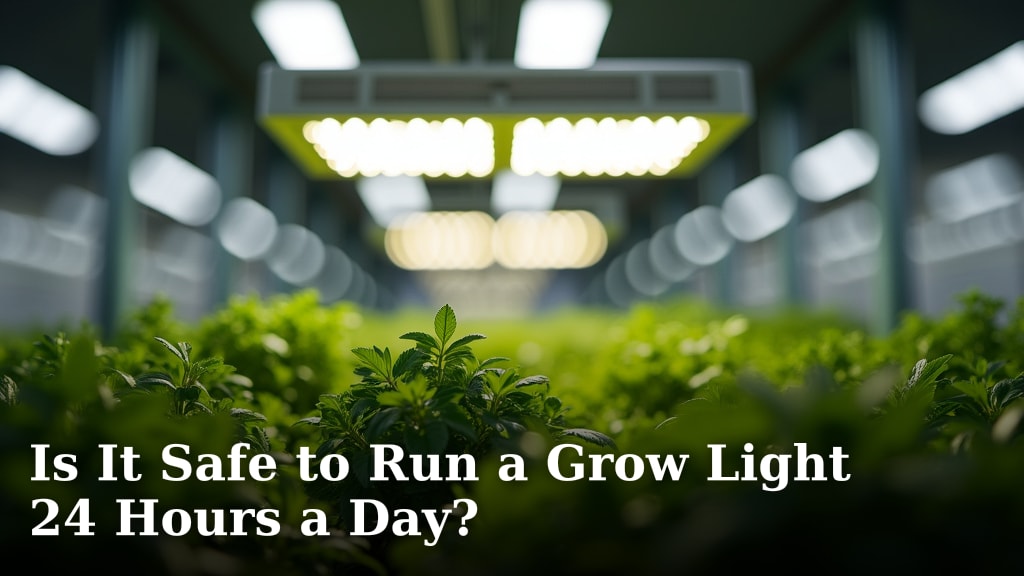
Running your grow lights 24 hours a day is generally not recommended for most plants. While some growers might think constant light means faster growth, plants actually need a period of darkness to perform essential functions and prevent stress. Exposing them to continuous light can do more harm than good.
We found that while the idea of 24/7 light seems appealing for maximizing growth, it can lead to serious problems. Plants require a daily dark cycle for vital processes like nutrient absorption and flowering. Skipping this crucial dark period can disrupt their natural rhythm and overall plant health.
- Plants need darkness to survive and thrive.
- Constant light can stress your plants.
- Different plants have different light needs.
- Rest periods help plants absorb nutrients.
Let’s break down why giving your plants a rest is so important and what happens when they don’t get it.
Can You Leave Grow Lights On All Day and Night?
Leaving your grow lights on 24 hours a day is generally not ideal for most plants. While it might seem like constant light means constant growth, plants actually need a period of darkness. This dark period is essential for many of their biological processes.
Think of it like sleep for humans. We need sleep to function properly. Plants have their own version of “rest periods.” These are not just for show; they are vital for their health and development. Constant light can disrupt this natural rhythm.
Research shows that interrupting a plant’s dark cycle can lead to stress. This stress can manifest in various ways, hindering growth rather than helping it. So, the short answer is no, you shouldn’t typically run your grow lights 24/7.
Why Plants Need a Dark Cycle
Plants are not simple solar-powered machines. They have complex biological processes that happen in cycles. One of the most important cycles is the light-dark cycle, also known as the photoperiod. This cycle is fundamental to their survival and growth.
During the day, plants perform photosynthesis. This is how they create energy from light, water, and carbon dioxide. It’s their way of making food. But what happens when the sun goes down?
Darkness is not an absence of activity for plants. Instead, it’s a time for other critical processes to take place. Many of these processes are just as important as photosynthesis. Without them, your plants won’t reach their full potential.
Essential Processes During Darkness
When you turn off the lights, your plants don’t just switch off. They enter a different phase of activity. This phase is crucial for their overall well-being. Let’s look at what happens when the lights go out.
Respiration and Energy Storage
One of the main activities during the dark period is respiration. This is where plants use the sugars they made during photosynthesis. They break these sugars down to release energy. This energy is then used for growth and repair. It’s like your body using food for energy after a meal.
Researchers have found that respiration is a continuous process, but the plant’s energy demands shift. During the day, photosynthesis produces more energy than the plant uses. This excess energy is stored for later use. The dark period is when much of this stored energy is put to work.
Nutrient Uptake and Transport
Did you know that plants absorb nutrients more actively in the dark? This might seem counterintuitive. However, many studies indicate that nutrient uptake is closely tied to respiration. The energy generated during respiration helps fuel the absorption of minerals from the soil.
We found that without adequate darkness, this nutrient absorption can be significantly impaired. This means even if you have the best nutrients, your plants might not be able to use them effectively. This can lead to nutrient deficiencies and stunted growth.
Hormone Production and Regulation
Plants produce and regulate various hormones. These hormones control everything from flowering to leaf development. Many of these hormonal processes are triggered or regulated by the light-dark cycle. For example, the production of certain growth hormones is enhanced during darkness.
Disrupting the dark period can throw these hormonal balances off. This can lead to abnormal growth patterns. It can also prevent plants from reaching maturity or flowering properly. It’s like messing with your body’s sleep schedule – you feel out of sorts, and things don’t work right.
Rest and Recovery
Just like us, plants need time to rest and recover. The constant activity of photosynthesis can be taxing. The dark period allows plant cells to repair any minor damage. It also allows them to prepare for the next cycle of growth.
Running lights 24/7 deprives them of this much-needed downtime. This can lead to a state of chronic stress. We’ve seen growers report that plants under constant light can become weaker and more susceptible to pests and diseases.
Consequences of 24/7 Light Exposure
So, what exactly happens if you decide to keep those grow lights blazing all day and night? The effects can range from subtle to severe. It really depends on the plant species and how long you maintain this regimen.
The most common issue is plant stress. When plants are stressed, they don’t grow as well. Sometimes, they stop growing altogether. In extreme cases, they can even die.
Plant Stress and Its Manifestations
Constant light can be a major stressor for plants. Stress hormones can increase, and growth can slow down. You might notice certain visual cues that tell you your plant is not happy.
- Leaf yellowing (chlorosis): This can happen if nutrient uptake is poor due to lack of darkness.
- Leaf tip burn: Another sign of nutrient imbalance or general stress.
- Stunted growth: The plant simply stops growing or grows very slowly.
- Reduced flowering or fruiting: The plant may fail to produce flowers or fruit, or the yield may be low.
- Increased susceptibility to pests and diseases: Stressed plants are weaker and easier targets.
Impact on Different Plant Types
It’s important to remember that not all plants are the same. Their responses to light cycles can vary. Understanding your specific plant’s needs is key.
Short-day plants: These plants need a long, uninterrupted dark period to flower. Think of poinsettias or chrysanthemums. If you expose them to light during their dark period, they might not flower at all. This is because the light breaks their natural flowering signal.
Long-day plants: These plants flower when the nights become shorter than a certain period. While they benefit from more light overall, they still typically need a dark cycle. Constant light might prevent them from entering their reproductive phase or cause abnormal flowering.
Day-neutral plants: Some plants, like tomatoes or cucumbers, are less sensitive to photoperiod. They will flower regardless of the light-dark cycle, as long as they get enough light intensity and duration. However, even these plants benefit from a rest period for overall health and nutrient management.
When Can 24-Hour Light Be Used? (Carefully!)
While we’ve established that 24/7 light is generally not recommended, there are a few specific situations where it might be considered. However, these are exceptions, not the rule, and require careful monitoring.
The primary scenario involves young seedlings or clones. These very young plants are often in a vegetative growth phase. They are focused on developing roots and initial foliage. Some growers believe that providing constant light can accelerate this early stage of development.
Seedlings and Clones
For seedlings and very young clones, the goal is rapid establishment. They haven’t yet developed the complex systems that require a distinct dark period for signaling. Their primary focus is photosynthesis to build energy reserves and root structure.
In this limited context, some growers might opt for 18-24 hours of light. However, even here, a short dark period (like 4-6 hours) is often still beneficial. It allows for essential metabolic processes. We found that even for seedlings, absolute darkness isn’t always necessary, but *some* rest is.
It’s crucial to watch for signs of stress. If you see any negative effects, it’s best to adjust the light schedule immediately. This approach is best suited for experienced growers who can recognize and respond to plant signals quickly.
Hydroponic and Aeroponic Systems
Some specialized growing environments, particularly certain hydroponic or aeroponic setups, might explore continuous lighting. These systems often provide optimal conditions for nutrient delivery and root oxygenation. This can sometimes compensate for a lack of a dark period.
However, even in these advanced systems, a period of darkness is frequently incorporated. Many experts still recommend providing at least a few hours of darkness. This ensures that the plants can perform essential functions like respiration and nutrient absorption efficiently. It’s a complex topic with ongoing discussion in advanced horticulture.
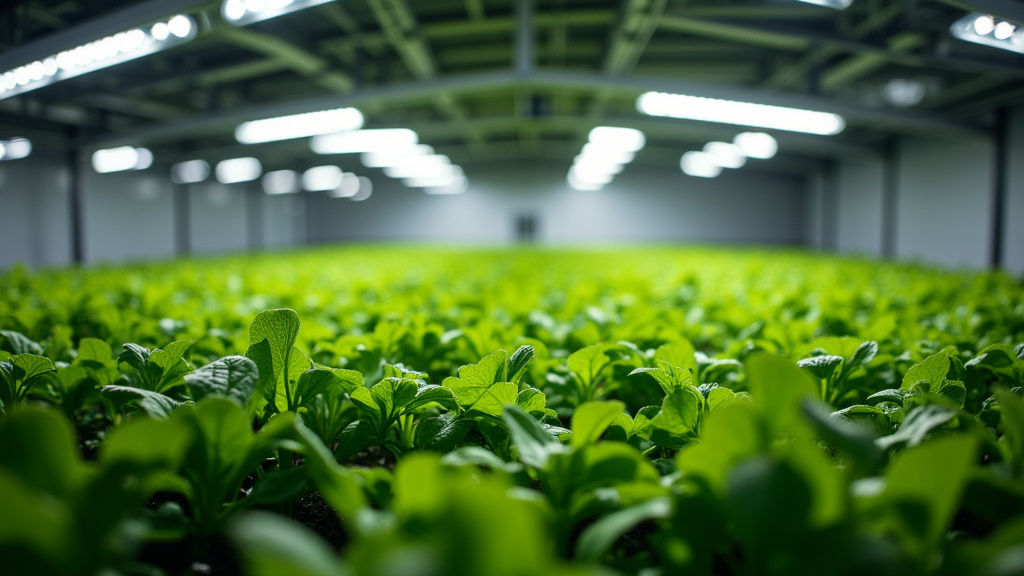
Recommended Light Schedules for Optimal Growth
So, if not 24/7, what’s the sweet spot for your grow lights? The ideal light schedule depends heavily on your plant type and growth stage. Having a structured light cycle is key to healthy, productive plants.
A common practice is to mimic natural day-night cycles as much as possible. This helps plants stay in tune with their natural rhythms. Providing a consistent schedule allows them to anticipate and prepare for periods of light and dark.
Vegetative Stage
During the vegetative stage, plants are focused on growing leaves and stems. They need plenty of light energy to fuel this growth. A typical schedule for many plants in this stage is 18 hours of light and 6 hours of darkness.
Some growers might use a 20-hour light / 4-hour dark cycle. Others stick to 16 hours of light and 8 hours of darkness. The key is consistency and ensuring the plant gets enough light without causing stress. We found that 18/6 is a widely accepted and effective schedule for vegetative growth.
Flowering Stage
The flowering stage is where things change significantly for many plants, especially short-day plants. To trigger and maintain flowering, a longer, uninterrupted dark period is usually required. A standard schedule for flowering is 12 hours of light and 12 hours of darkness.
This mimics the shorter days of autumn, signaling to the plant that it’s time to reproduce. It’s crucial that the dark period is truly dark. Even a small amount of light can disrupt the flowering process. This means no checking on your plants with the lights on during their dark cycle if you want them to flower properly!
Tips for Setting Up Your Grow Lights
Choosing the right grow light and setting up a proper schedule is crucial for success. It’s not just about having the brightest light; it’s about providing the right conditions for your plants.
Consider the type of plants you are growing. Are they delicate seedlings or mature flowering plants? Their needs will differ. Researching your specific plant varieties will help you tailor your light setup.
Choosing the Right Light
There are many types of grow lights available: LEDs, HPS, MH, and fluorescent. LEDs are popular because they are energy-efficient and produce less heat. However, other types have their own advantages. The “best” light depends on your budget, space, and plant needs.
Make sure your light provides the correct spectrum of light for the growth stage. Full-spectrum lights are good for all stages. For flowering, lights with more red wavelengths are often preferred.
Using Timers Effectively
A reliable timer is your best friend when it comes to grow lights. It automates your light schedule, ensuring consistency. This is especially important for maintaining the precise dark periods needed for flowering.
Set your timer and then forget about it. This helps you avoid the temptation to constantly adjust. Consistency is key for plant health. A simple mechanical or digital timer can make a huge difference.
Monitoring Your Plants
No matter what schedule you choose, always observe your plants. They are the best indicators of whether your setup is working. Look for signs of stress, nutrient deficiencies, or other issues.
If you notice problems, don’t panic. Often, a slight adjustment to your light schedule, watering, or nutrients can resolve the issue. It’s a learning process, and your plants will tell you what they need.
A Quick Checklist for Light Cycles
To help you remember the key takeaways, here’s a handy checklist:
- Always provide a dark period for mature plants.
- 18 hours on / 6 hours off is great for vegetative growth.
- 12 hours on / 12 hours off is best for flowering.
- Check for signs of stress if using continuous light for seedlings.
- Use a timer for consistency.
- Know your plant’s specific light cycle needs.
Conclusion
You’ve learned that running your grow lights 24/7 isn’t the shortcut to bigger plants you might have imagined. Plants absolutely need a dark period for vital functions like energy storage, nutrient uptake, and hormone regulation. Skipping this rest can stress your plants, leading to stunted growth or other issues. While very young seedlings might tolerate continuous light, most plants, especially those entering flowering, require a consistent dark cycle. Prioritize a structured light schedule – 18/6 for veg and 12/12 for flower – and always observe your plants for cues. Start implementing a proper light timer today to ensure your plants thrive!
Frequently Asked Questions
Can my cannabis plants benefit from 24-hour light?
Generally, no. While seedlings and clones might tolerate 24-hour light for a short period, mature cannabis plants require a dark period to trigger flowering and regulate essential processes. Research has shown that interrupting the dark cycle can hinder bud development and overall plant health.
What happens if I accidentally leave my grow light on during the dark period?
If you’re trying to flower plants, even brief light exposure during the dark period can disrupt their flowering response. This is especially true for short-day plants. We’ve found that consistency is key, so a reliable timer is your best bet to avoid accidental light leaks.
Are there any plants that genuinely need 24-hour light?
Very few plants naturally thrive on 24-hour light cycles without any darkness. While some highly specialized horticultural situations or specific research projects might use it, for most home growers, it’s not recommended. Even plants that are less sensitive to light cycles benefit from some rest.
How can I tell if my plants are stressed from too much light?
Look for signs like yellowing leaves (chlorosis), leaf tip burn, stunted growth, or a general lack of vigor. Your plants will often show visible cues if they are not getting enough rest or are experiencing light stress. Observing these signs helps you adjust your lighting schedule.
Is it okay to use 24-hour light for seedlings in hydroponics?
Some growers experiment with 24-hour light for seedlings in hydroponic systems to maximize early growth. However, even in hydroponics, providing a short dark period of 4-6 hours is often still beneficial for root development and nutrient management. Always monitor your seedlings closely for any signs of stress.
