
Why Is My Snake Plant Turning Mushy?
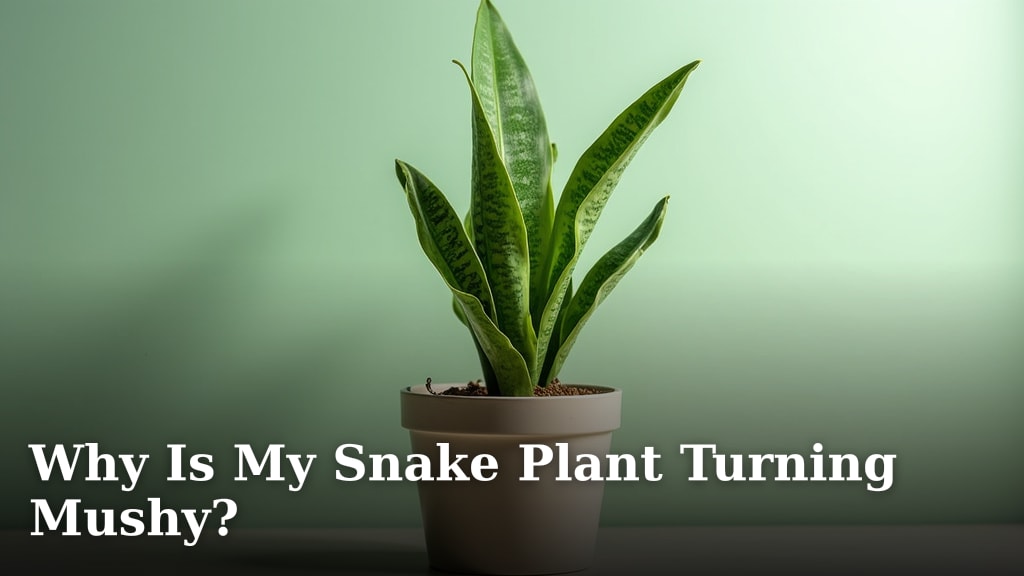
Your snake plant is turning mushy because it’s likely suffering from overwatering. This common issue causes the leaves to become soft and waterlogged. It’s a classic sign that your plant is unhappy with too much moisture around its roots, leading to root rot.
Seeing your normally upright snake plant droop can be disheartening. Mushy leaves are a cry for help from your plant. It often means the soil has stayed wet for too long, which is bad news for its root system. We found that addressing this quickly is key to saving your plant.
- Overwatering is the main culprit behind mushy snake plants.
- This leads to root rot, a serious condition for your plant.
- Check your soil moisture before watering to avoid this.
- Proper drainage is essential for healthy snake plants.
Let’s walk through why this happens and what you can do to bring your snake plant back to its sturdy self.
What Makes Snake Plant Leaves Go Mushy?
You’ve probably noticed your snake plant’s normally stiff, upright leaves are now feeling soft and squishy. This is a clear sign something is wrong. The most common reason is overwatering. It’s like giving your plant too much to drink, and it just can’t handle it.
When soil stays wet for too long, it suffocates the roots. This leads to a condition called root rot. Think of it like drowning for your plant’s roots. They can’t get the oxygen they need and start to decay. This decay then affects the rest of the plant, showing up as mushy leaves.
Research shows that snake plants are quite drought-tolerant. They prefer to dry out between waterings. This makes overwatering a very easy mistake to make, especially for beginners. Many plant experts agree that too much water is more dangerous than too little for this plant.
Understanding Overwatering and Its Effects
Overwatering happens when you give your snake plant more water than it can use or the soil can drain away. This often occurs because the soil stays wet for extended periods. Your snake plant’s roots need air to survive. When they are constantly soaked, the roots can’t breathe and begin to die.
The Silent Killer: Root Rot
Root rot is the primary consequence of overwatering. It’s a fungal disease that thrives in soggy conditions. The fungi attack the roots, causing them to turn brown or black and become mushy and foul-smelling. This is why your leaves start to feel soft; the roots that support them are no longer healthy.
Many horticultural resources highlight that root rot can quickly spread throughout the plant if not addressed. It’s a serious issue that requires immediate attention. If you notice a musty odor coming from the soil, it’s a strong indicator of advanced root rot.
Signs Your Snake Plant Is Drowning
Besides mushy leaves, there are other signs your snake plant might be overwatered. You might see yellowing leaves, especially at the base of the plant. The leaves can also develop brown spots or edges that feel soft and limp. The soil might feel constantly damp, even days after watering.
Sometimes, a mushy snake plant will also show signs of wilting, which can be confusing because underwatered plants also wilt. However, with overwatering, the leaves will feel soft and bend easily, whereas with underwatering, they might feel dry and crispy.
Why Is My Snake Plant Turning Mushy? Let’s Break It Down
We’ve established that overwatering is the main suspect. But why does it happen? It usually comes down to a few common practices. Let’s look at the usual culprits behind that soggy soil.
The Watering Schedule Trap
Many people water on a schedule. For example, “I water my plants every Sunday.” This is a common mistake. Snake plants don’t have a fixed need for water. Their needs change based on light, temperature, and humidity.
The best approach is to check the soil moisture. Stick your finger about two inches into the soil. If it feels moist, wait to water. If it feels dry, then it’s time to give your plant a drink. We found that this simple check makes a big difference for snake plants.
The Wrong Potting Mix Matters
Using a dense potting mix can be a problem. Standard potting soil often retains too much moisture for snake plants. They prefer a well-draining mix. This means the water can flow through easily, preventing the roots from sitting in water.
A good mix for snake plants includes materials like perlite, sand, or pumice. These ingredients help improve aeration and drainage. Many garden centers sell cactus or succulent mixes, which are often ideal for snake plants.
Drainage Holes: A Plant’s Best Friend
Does your pot have drainage holes? If not, this is a major issue. Water needs a place to escape. Without drainage holes, water collects at the bottom of the pot, creating a soggy environment for the roots. This is a recipe for root rot.
Most plant experts stress the importance of pots with drainage. If you have a decorative pot without holes, use it as a cachepot. Place the snake plant in a plastic pot with holes inside the decorative one. This way, you can still enjoy your stylish pot while keeping your plant healthy.
Lighting and Temperature Influences
While less common than watering errors, improper lighting and temperature can indirectly contribute to overwatering problems. Snake plants prefer bright, indirect light. In very low light conditions, they use water much more slowly.
If your plant is in a dark corner, the soil will stay wet for much longer. Watering it as you would a plant in bright light will lead to overwatering. Similarly, very cold temperatures can slow down a plant’s water uptake. Always consider your plant’s environment before you water.
What To Do When Your Snake Plant Gets Mushy
Seeing mushy leaves can be alarming, but don’t panic! There are steps you can take to help your snake plant recover. The key is to act quickly to stop the progression of root rot.
Step 1: Assess the Damage and Drainage
First, gently remove the plant from its pot. Examine the roots. Healthy roots are firm and white or tan. Rotting roots will be dark, mushy, and may smell bad. Check the soil; is it soggy and dense?
If the roots are extensively rotted, you may need to prune away the affected parts. Use a clean, sharp knife or scissors. Sanitize your tools with rubbing alcohol between cuts to prevent spreading disease. Many horticultural guides recommend this careful pruning.
Step 2: Repotting for Recovery
After assessing and pruning, it’s time to repot. Use a new, well-draining potting mix specifically for succulents or cacti. Choose a pot that is only slightly larger than the root ball. Ensure the new pot has plenty of drainage holes.
Place a layer of the new soil in the bottom of the pot. Position your snake plant in the center and fill in around the roots with more soil. Gently firm the soil, but don’t pack it too tightly. This gives the roots space to breathe and grow.
Step 3: Adjust Your Watering Habits
This is perhaps the most critical step for long-term health. Let the soil dry out completely between waterings. When you do water, water thoroughly until it drains from the bottom. Then, allow it to dry out again before the next watering.
Consider the season. Snake plants need less water in fall and winter. They are actively growing in spring and summer. Adjust your watering frequency accordingly. Many plant enthusiasts find it helpful to create a simple watering checklist.
Step 4: Provide the Right Environment
Place your snake plant in a location with bright, indirect light. Avoid direct sunlight, which can scorch the leaves. Ensure the room has moderate temperatures, ideally between 65-80°F (18-27°C).
Good air circulation also helps. Avoid placing your plant in overly humid areas like steamy bathrooms, unless you can ensure good airflow. A slightly drier environment is better for preventing fungal issues.
When All Else Fails: Propagation
If your snake plant is severely affected by root rot and the main plant doesn’t seem like it will recover, you might be able to save a part of it. Snake plants are easily propagated from healthy leaf cuttings or by dividing the rhizomes.
Cut healthy sections of the leaves and let them callus over for a few days. Then, place them in water or well-draining soil. It takes patience, but it’s a great way to get new plants from a beloved one. This method is often a last resort but can be very rewarding.
Quick Checklist for a Healthy Snake Plant:
- Check soil moisture before watering – only water when dry.
- Use a well-draining potting mix.
- Ensure your pot has drainage holes.
- Provide bright, indirect light.
- Avoid overwatering, especially in cooler months.
- Inspect roots periodically for signs of rot.
Conclusion
It can be worrying when your snake plant’s leaves turn mushy, but remember, it’s usually a sign of overwatering and potential root rot. You’ve learned that correcting your watering habits is key. By checking soil moisture, using the right soil mix, and ensuring good drainage, you can prevent this problem. Don’t be afraid to act quickly if you see mushy leaves; repotting and adjusting care can save your plant. Keep an eye on your plant’s environment and its needs, and you’ll soon have a healthy, upright snake plant again. Your next step is to check your snake plant’s soil moisture right now.
Frequently Asked Questions
How often should I water my snake plant?
You should only water your snake plant when the soil is completely dry. We found that this means checking the soil moisture about two inches down with your finger. Watering too frequently is the most common cause of mushy leaves.
Can I save a snake plant with root rot?
Yes, you can often save a snake plant with root rot if you act quickly. Remove the plant from its pot, trim away any rotted roots, and repot it in fresh, well-draining soil. Adjusting your watering habits afterward is essential for recovery.
What kind of soil is best for snake plants?
Snake plants need a well-draining potting mix to prevent overwatering. We recommend using a cactus or succulent mix, or amending regular potting soil with perlite or sand to improve aeration and drainage.
Will my snake plant survive if the leaves are already mushy?
It depends on how severe the mushiness is and if root rot has set in. If only a few leaves are mushy and the roots are still healthy, repotting and adjusting care can help. If the roots are severely rotted, propagation might be your best option.
What if my decorative pot doesn’t have drainage holes?
If your decorative pot lacks drainage holes, we advise using it as a cachepot. Place your snake plant in a plastic nursery pot that has drainage holes, and then set that pot inside the decorative one. This prevents water from collecting and causing root rot.
