
Why Is My Monstera Not Growing New Leaves?
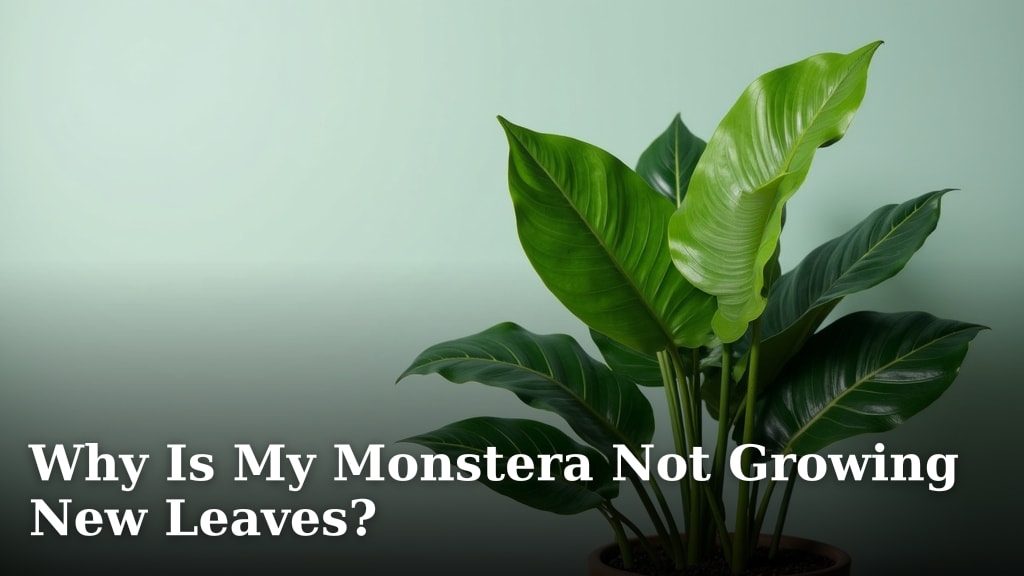
Your Monstera isn’t growing new leaves primarily because it’s missing a key element in its environment or care routine. Most often, this means it needs more light, water, or nutrients. Sometimes, it’s a sign of stress from a potting issue or pest trouble, which can halt new growth.
Struggling with a stubborn Monstera can be frustrating when you’re expecting those iconic fenestrated leaves to unfurl. We found that a lack of consistent care is usually the culprit. Addressing factors like light exposure, watering schedule, and feeding habits often brings your plant back to life and encourages new growth.
- Not enough light is a common growth stopper.
- Incorrect watering can stress your plant.
- Lack of nutrients slows down new leaves.
- Rootbound plants need more space to grow.
Let’s dive into the most common reasons why your Monstera might be pausing its growth and what you can do to get it thriving again.
It can be disheartening when your beautiful Monstera, which you’ve been nurturing with care, suddenly stops producing those desirable new leaves. You’re likely wondering what’s causing this pause in growth and how to get it back on track. We’ve seen this happen countless times, and thankfully, it’s usually a fixable issue. Let’s look at the common reasons behind your Monstera’s growth slowdown.
Troubleshooting Your Monstera’s Lack of New Growth
A Monstera that isn’t putting out new leaves is like a chef without an ingredient. It needs something essential to create its magic. We found that the most frequent culprits are related to its environment and your watering habits. Let’s break down each possibility so you can pinpoint the problem.
Light: The Foundation of Growth
Monstera deliciosa plants thrive in bright, indirect light. They are native to tropical rainforests, where they grow under the canopy of larger trees. This means they love light but can be burned by harsh, direct sun. Too little light is a **primary reason for stunted growth**.
Signs Your Monstera Needs More Light
If your Monstera is leaning heavily towards a window, its leaves are smaller than usual, or you’re seeing no new growth at all, it’s probably craving more light. The plant is essentially saying, “I need more energy to make these new leaves!”
Finding the Perfect Light Spot
An east-facing window is often ideal. It provides gentle morning sun, which is usually not too intense. A west-facing window can work too, but you might need to diffuse the afternoon sun with a sheer curtain. North-facing windows typically don’t offer enough light for robust growth, though they can work for survival.
What about distance? If your Monstera is more than a few feet from a window, it might not be getting enough light. Try moving it closer. We found that simply relocating the plant can make a dramatic difference in a matter of weeks. Remember, consistency in light is key.
Watering: The Delicate Balance
Water is life for your Monstera, but too much or too little can be detrimental. Overwatering is a very common mistake that can lead to root rot, which directly impacts growth. Underwatering stresses the plant, making it conserve resources and halt new leaf production.
The Art of Watering Your Monstera
The best approach is to water when the top 1-2 inches of soil feel dry. You can check this by sticking your finger into the soil. If it feels dry, it’s time to water thoroughly. If it feels moist, wait a few more days. Your Monstera prefers its soil to dry out slightly between waterings, not stay constantly soggy.
What if you’re unsure? Consider using a moisture meter. These simple tools can take the guesswork out of watering. We found that using one helps prevent both over and under-watering issues, which are major causes of growth stagnation.
Signs of Watering Problems
Yellowing leaves, especially those that start to droop, can indicate overwatering. If the soil is constantly wet and the plant smells musty, root rot is a serious possibility. On the other hand, wilting leaves that feel dry and crispy might signal under watering. Either extreme can put your Monstera’s growth on hold. Listen to your plant’s signals.
Nutrients: Feeding Your Growing Giant
Just like us, plants need food to grow. A Monstera that isn’t getting enough nutrients won’t have the building blocks to produce new leaves. This is especially true if you haven’t repotted it in a while or haven’t fertilized it.
Fertilizing Schedule and Type
During the growing season (spring and summer), fertilize your Monstera every 2-4 weeks. Use a balanced liquid houseplant fertilizer diluted to half strength. This prevents nutrient burn while still providing essential elements. We found that a fertilizer with an N-P-K ratio around 20-20-20 works well for most Monsteras.
In fall and winter, the plant’s growth slows down. You can reduce or stop fertilizing during these cooler months. Over-fertilizing can actually harm your plant by burning its roots, which will certainly stop new growth. Less is often more when it comes to feeding.
When to Fertilize and When Not To
Never fertilize a dry plant; water it first. Also, avoid fertilizing a stressed plant, such as one that is newly repotted or suffering from pests. Wait until it shows signs of recovery. We observed that fertilizing only when the plant is actively growing is the safest bet.
Potting and Root Health: Is It Rootbound?
A plant’s roots are its anchor and its lifeline. If your Monstera has become rootbound, its roots are circling tightly within the pot, leaving little room to grow. This directly limits the plant’s ability to support new leaf development.
Recognizing a Rootbound Monstera
Common signs include roots growing out of the drainage holes, water running straight through the pot without being absorbed, and the plant drying out very quickly. It might also look like the plant is too big for its pot, with the soil level visibly lower than the rim.
If you suspect your Monstera is rootbound, gently slide the plant out of its pot. If you see a dense mass of roots circling the soil ball, it’s time to repot. We found that a healthy root system is dark and fibrous, not dark and mushy (a sign of rot).
Repotting Your Monstera
Choose a pot that is only 1-2 inches larger in diameter than the current one. A pot that’s too big can hold too much moisture, leading to root rot. Use a well-draining potting mix formulated for aroids or houseplants. Ensure the new pot has drainage holes.
When repotting, you can gently loosen some of the circling roots to encourage them to grow outwards into the new soil. This is a crucial step for stimulating new growth. Many experts recommend repotting every 2-3 years or when the plant outgrows its container (Cleveland Clinic).
Environmental Stressors: Temperature, Humidity, and Pests
Monstera plants are generally forgiving, but significant changes or stress can halt their growth. Fluctuations in temperature, low humidity, or pest infestations can all cause your plant to focus on survival rather than producing new leaves.
Temperature and Humidity Needs
Monsteras prefer consistent temperatures between 65-80°F (18-27°C). Avoid placing them near drafty windows, heating vents, or air conditioners. They also appreciate higher humidity, though they can adapt to average household levels. If your air is very dry, especially in winter, consider a humidifier or pebble tray.
Pest Patrol for Uninterrupted Growth
Common pests like spider mites, mealybugs, and thrips can suck the life out of your plant, leading to yellowing leaves and slowed growth. Regularly inspect your Monstera, especially the undersides of leaves and where leaves join stems. Early detection is key to preventing serious damage.
If you find pests, act quickly. You can often treat minor infestations by wiping the leaves with a damp cloth or using insecticidal soap. For more severe cases, you might need a horticultural oil. We found that consistent care and observation are your best defense against pests.
To recap the most critical checks for your Monstera’s growth:
- Ensure bright, indirect light.
- Water only when the top soil is dry.
- Fertilize during the growing season.
- Check if the plant is rootbound.
- Monitor for pests and environmental stress.
By systematically going through these points, you can usually identify why your Monstera has stopped producing new leaves and take the necessary steps to get it thriving again.
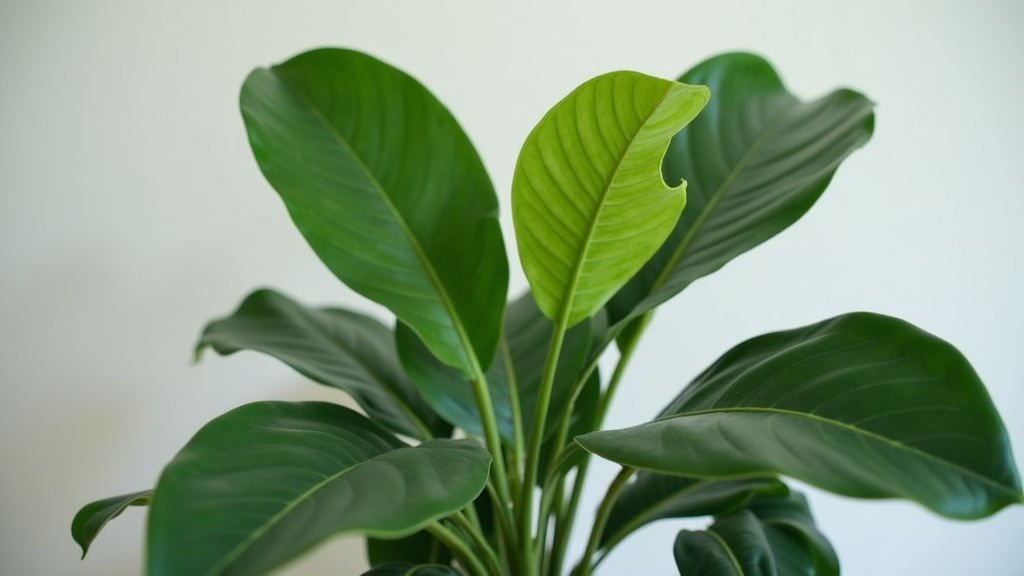
Conclusion
It’s totally understandable to feel a bit stuck when your Monstera stops unfurling those gorgeous new leaves. Remember, your plant is likely signaling that it needs something specific. We’ve found that by checking the light it receives, tweaking your watering routine, and ensuring it’s getting the right nutrients, you’re often just a few adjustments away from renewed growth. Don’t forget to peek at the roots and watch for any environmental stress or pests. Take a deep breath, assess your plant’s current conditions using what you’ve learned, and trust that you can help it thrive again. Your next step is to pick one area to focus on this week – maybe a sunnier spot or adjusting your watering schedule – and see what happens!
Frequently Asked Questions
How long does it typically take for a Monstera to grow a new leaf?
Generally, a healthy Monstera can produce a new leaf every 2-4 weeks during its active growing season (spring and summer). Factors like light, water, and nutrients play a big role in this timeline. If it’s been much longer than a month or two, it’s a good indicator something in its care routine needs attention.
Can I force my Monstera to grow faster?
While you can’t force growth, you can create the ideal conditions for it. Providing consistent bright, indirect light, proper watering, and regular feeding will encourage your Monstera to produce leaves at its natural pace. Avoid overdoing it with fertilizer, as this can stress the plant and halt growth.
What should I do if my Monstera’s leaves are yellowing and not growing?
Yellowing leaves, especially when growth has stopped, often point to an issue with watering. Check if the soil is too wet (overwatering, potentially leading to root rot) or too dry (underwatering, stressing the plant). Let the top 1-2 inches of soil dry out before watering again, and ensure good drainage.
Is it normal for my Monstera to stop growing in the fall and winter?
Yes, it’s quite normal for Monstera growth to slow down or stop completely during the fall and winter months. This is their natural dormant period as light levels decrease and temperatures may fluctuate. You can typically reduce or stop fertilizing during this time.
My Monstera has new growth, but the leaves are small and not splitting. What’s wrong?
Small, non-fenestrated (not split) leaves are usually a sign that your Monstera isn’t getting enough light. The plant needs sufficient energy from light to develop those characteristic splits and larger leaf sizes. Try moving it to a brighter location with indirect sunlight.
