
Can You Grow Indoor Plants Under Fluorescent Lights?
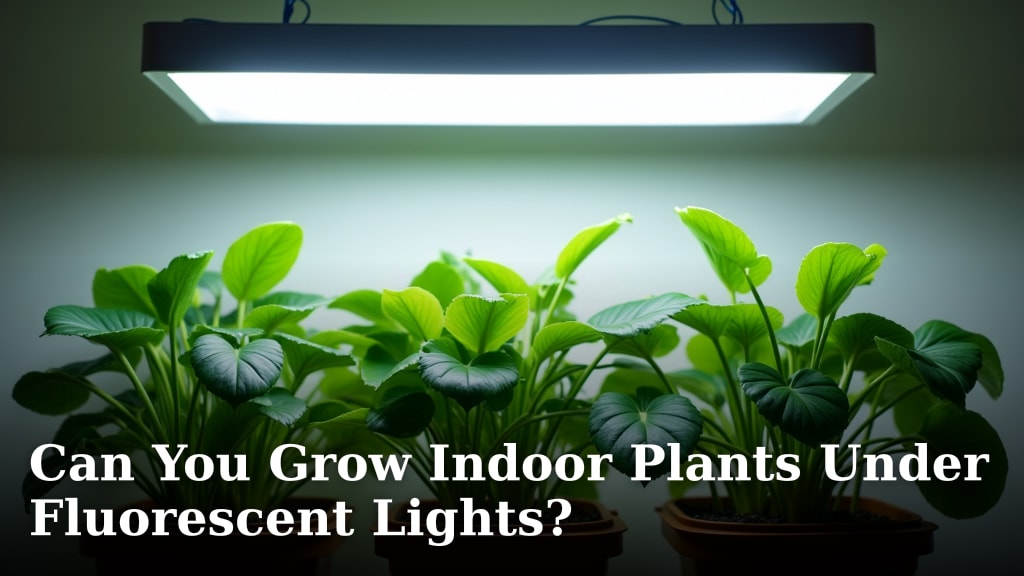
Yes, you absolutely can grow indoor plants under fluorescent lights! In fact, fluorescent lights can be a surprisingly effective and affordable way to provide your leafy friends with the light they need, especially if you don’t have a lot of natural sunlight. Many indoor gardeners have found great success using them for everything from starting seeds to keeping tropical plants thriving. You just need to know a little about the right type of bulb.
When thinking about fluorescent lights for your plants, it’s helpful to know that not all bulbs are created equal. The color spectrum of the light is key. Some fluorescents are better suited for plant growth because they emit light frequencies that plants can actually use for photosynthesis. We found that selecting bulbs labeled for plant growth or those with a fuller spectrum can make a big difference in your plant’s health and development. This makes them a great option for those darker corners of your home. Our guide to the best full spectrum grow lights explains why this is important.
- Fluorescent lights can successfully grow indoor plants.
- Choose bulbs designed for plant growth or with a full spectrum.
- These lights are an affordable option for low-light areas.
- Proper bulb selection ensures plants get usable light for photosynthesis.
Let’s get into the specifics of how to make fluorescent lights work best for your indoor garden.
Getting Your Plants to Thrive Under Fluorescent Light
Yes, you can absolutely grow plants indoors using fluorescent lights! It might sound surprising, but these lights can be a fantastic and budget-friendly way to give your green pals the energy they need. This is especially true if your home doesn’t get much natural sunshine. Many indoor gardeners have seen great results. They use fluorescents for everything from starting tiny seeds to keeping tropical plants looking their best. The key is choosing the right type of bulb.
Think of plant light like food for your plants. Just like we need certain nutrients, plants need specific colors of light to grow. Fluorescent bulbs come in different “flavors” of light. Some are made to mimic sunlight more closely. Others are designed to give plants the particular colors they use most for photosynthesis. We found that picking bulbs labeled for plant growth or those with a “full spectrum” makes a big difference in your plant’s health. These are often a great solution for those dimmer spots in your home where plants usually struggle.
Understanding Light Spectrum for Plants
So, what exactly is “light spectrum,” and why does it matter for your plants? Light is made up of different colors, just like a rainbow. Plants primarily use the red and blue parts of this spectrum for photosynthesis. Photosynthesis is the process where plants turn light energy into food for themselves. Other colors of light are less important for this process. Fluorescent bulbs can be made to emit more of the colors plants need.
The Role of Red and Blue Light
Red light is really important for flowering and fruiting. It helps plants tell time, like knowing when to bloom. Blue light, on the other hand, is crucial for leafy growth. It encourages strong stems and healthy foliage. If a fluorescent bulb has a good balance of red and blue light, your plants will likely grow well. Many “grow light” bulbs are specifically engineered to provide these essential colors. We’ve seen that this targeted approach leads to healthier, more robust plants.
What About “Full Spectrum” Bulbs?
The term “full spectrum” can sometimes be a bit confusing. For plants, a full spectrum bulb means it emits a broad range of colors. This often includes colors beyond just red and blue, giving a more natural daylight appearance. While plants might not use every single color in a full spectrum bulb as efficiently as red and blue, they can still benefit. Many experts suggest that full spectrum bulbs provide a more balanced light. This can lead to overall better plant health and development. It’s like giving your plants a varied diet rather than just one type of food.
Choosing the Right Fluorescent Bulbs for Your Plants
Not all fluorescent bulbs are created equal when it comes to growing plants. You’ll see a few common types when you’re shopping. Understanding these can help you make the best choice for your indoor garden.
Standard Household Fluorescents
“Cool white” or “daylight” bulbs often have a higher blue content. These can be decent for vegetative growth, meaning they help plants grow leaves. However, they might lack the red light needed for flowering. “Warm white” bulbs have more red and yellow tones. These might encourage flowering but can lead to leggy, stretched-out plants if used alone. While you can grow some plants under these, they aren’t always ideal for optimal growth.
Specialized “Grow Lights”
These bulbs are made specifically for plants. They often have labels like “grow light,” “plant light,” or “horticultural bulb.” We found that these bulbs are usually designed to provide a more balanced spectrum. Some are engineered to offer the precise red and blue light ratios plants need. Others aim for a full spectrum output that mimics natural sunlight very well. If you’re serious about growing plants under artificial light, investing in these is a smart move.
Understanding Bulb Ratings
When looking at fluorescent bulbs, you might see ratings like “Kelvin” (K) and “CRI” (Color Rendering Index). Kelvin tells you the color temperature of the light. Lower Kelvin (around 2700K) is warmer, with more red. Higher Kelvin (around 5000K-6500K) is cooler, with more blue. For plant growth, a range between 5000K and 6500K is often recommended. CRI indicates how accurately the light shows colors. A higher CRI (80+) means colors will look more natural, which is helpful for spotting any issues with your plants.
| Bulb Type | Light Spectrum | Best For | Pros | Cons |
|---|---|---|---|---|
| Cool White | Higher Blue | Leafy Greens, Seedlings | Good for vegetative growth | May lack red light for flowering, can look bluish |
| Warm White | Higher Red/Yellow | Flowering Plants (with caveats) | Can encourage blooming | May cause leggy growth, not ideal alone |
| Full Spectrum | Broad Range | Most Plants, General Growth | Mimics sunlight well, balanced | Can be more expensive, check specific output |
| Plant Grow Lights | Targeted Red/Blue or Full | Serious Plant Cultivation | Optimized for photosynthesis, high efficiency | Can be more costly, may look pink/purple (specialized types) |
Setting Up Your Fluorescent Grow Lights
Once you have the right bulbs, setting up your lights is pretty straightforward. The goal is to get the light close enough to your plants without causing any damage. Too far away, and the light won’t be strong enough. Too close, and you might scorch your delicate leaves.
How Close Should the Lights Be?
For most fluorescent bulbs, keeping them 6 to 12 inches above the plants is a good starting point. This distance can vary depending on the wattage of the bulb and the type of plant you’re growing. For seedlings and young plants, err on the side of caution and keep them a little further away initially. For more mature, established plants, you might be able to bring the lights a bit closer. We recommend checking your plants regularly. Look for signs of stress, like yellowing leaves or wilting, which could mean the light is too intense or too close. Our guide to the best grow lights for seedlings mentions fluorescent bulbs.
How Long Should Lights Be On?
Most plants need a period of darkness to rest and respire. This is just as important as the light they receive. A general rule of thumb is to provide 12 to 16 hours of light per day. For seedlings, 14-16 hours is often ideal. Mature plants might do well with 12-14 hours. Using a timer can make this much easier. It ensures consistency, which plants really appreciate. We’ve found that timers are a simple tool that makes a huge difference in plant health.
Light Fixtures and Fixture Types
You’ll need a fixture to hold your fluorescent bulbs. Many affordable options are available. You can find simple shop lights or fixtures designed specifically for plant growing. Some fixtures have built-in reflectors. These help direct more light down onto your plants. T5 fluorescent bulbs are a popular choice. They are thinner and more energy-efficient than older T8 or T12 bulbs. They also produce less heat, which is a bonus. Many people use clamp lights or desk lamps with the appropriate bulbs for smaller setups.
Tips for Success with Fluorescent Lighting
Even with the right bulbs and setup, a few extra tips can help ensure your plants flourish. Think of these as little extra touches that can make a big difference.
- Monitor Your Plants: Regularly check for signs of too much or too little light.
- Rotate Plants: Turn your plants periodically so all sides get even exposure.
- Clean Your Bulbs: Dust can reduce light intensity. Wipe them down gently.
- Consider Reflectors: If your fixture doesn’t have one, you can add reflective material. Foil or Mylar can bounce light back onto your plants.
- Adjust as Needed: Be prepared to move lights or adjust duration based on how your plants are responding.
By following these guidelines, you can effectively use fluorescent lights to keep your indoor plants happy and healthy. It’s a great way to bring more green into your home, even without a sunny windowsill.
Conclusion
You’ve learned that growing indoor plants under fluorescent lights is completely achievable and often quite successful! By choosing the right bulbs—think specialized grow lights or full-spectrum options—you can provide your plants with the necessary red and blue light wavelengths for photosynthesis. Remember to position your lights about 6 to 12 inches away and aim for 12 to 16 hours of light per day, using a timer for consistency. Don’t forget to monitor your plants for any signs of stress and adjust as needed. Your next step? Pick out a suitable fluorescent fixture and a plant-specific bulb, and watch your indoor garden flourish, even in those less-than-sunny spots!
Frequently Asked Questions
Can I use any old fluorescent bulb for my plants?
While some standard household fluorescents can provide basic light, they aren’t ideal for optimal plant growth. Bulbs labeled “cool white” or “daylight” offer more blue light, good for leafy growth, but may lack the red light needed for blooming. Specialized “grow light” or “full spectrum” bulbs are engineered to provide the specific light colors plants need most.
How close should I hang my fluorescent grow lights?
Generally, fluorescent bulbs should be placed 6 to 12 inches above your plants. This distance can vary depending on the bulb’s wattage and the plant’s life stage. Seedlings and younger plants may need to be a bit further away, while mature plants can tolerate being closer. Always observe your plants for signs of light stress like yellowing or wilting.
Do fluorescent lights produce a lot of heat?
Fluorescent lights produce much less heat than older incandescent bulbs, making them a safer option for indoor growing. However, the bulbs can still get warm, especially if they are very close to the plants. T5 fluorescent bulbs are known for being particularly energy-efficient and producing minimal heat, which is great for preventing leaf burn.
What’s the difference between Kelvin and CRI for plant lights?
Kelvin (K) measures the color temperature of the light; higher Kelvin numbers (like 5000K-6500K) mean cooler, bluer light, good for vegetative growth, while lower numbers are warmer and redder. CRI (Color Rendering Index) indicates how accurately the light shows colors. A higher CRI (80+) helps you see your plants’ true colors, making it easier to spot problems like pests or diseases.
Can fluorescent lights be used to flower plants?
Yes, fluorescent lights can encourage flowering, but bulb choice is key. While blue-rich “cool white” lights are great for leafy growth, plants also need red light for blooming. “Warm white” bulbs have more red tones, which can help. For the best results, consider specialized full-spectrum grow lights or grow bulbs that provide a balanced blend of red and blue light necessary for both vegetative and flowering stages.
