
What Is the Best Planter for a Snake Plant?
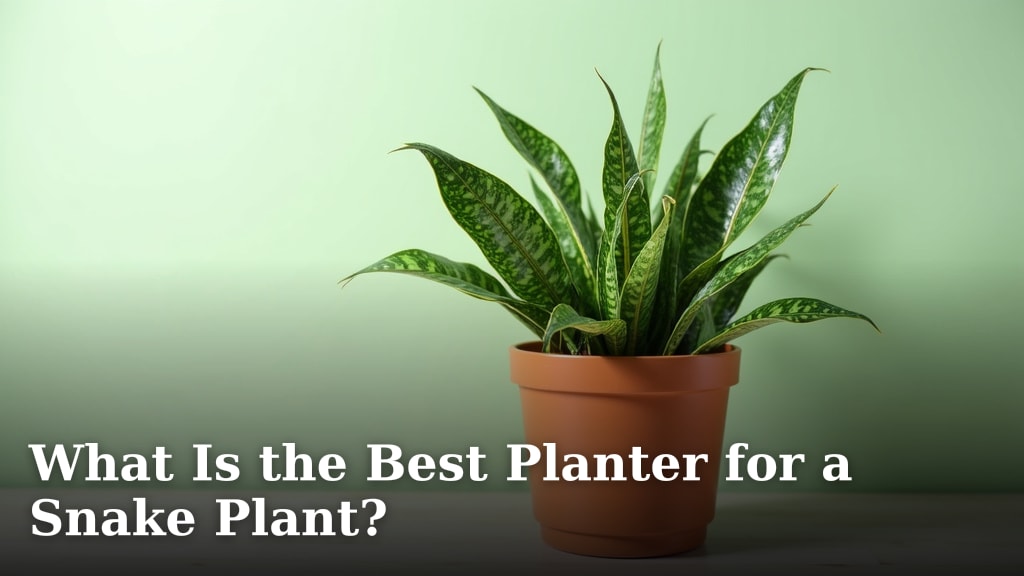
The best planter for a snake plant is one that offers excellent drainage and is made from a breathable material. For snake plants, we recommend a terracotta or ceramic pot with drainage holes. This helps prevent the most common issue for snake plants: root rot from overwatering.
Snake plants are notoriously forgiving, but their root system is sensitive to excess moisture. Choosing the right pot is key to keeping your snake plant healthy and thriving for years to come. Many people struggle with finding the perfect fit, but it’s simpler than you think.
- Drainage is king for snake plants.
- Terracotta and unglazed ceramic pots are ideal.
- Avoid pots that hold too much moisture.
- Consider the size and weight of your plant.
Let’s dig into the details and make sure your snake plant has the perfect home. We’ll cover why drainage is so important and what materials work best for these resilient beauties. Let’s dig into the details and make sure your snake plant has the perfect home, including the right soil.
Choosing the Right Pot for Your Snake Plant
Finding the ideal planter for your snake plant is simpler than you might think. The key is understanding what these plants need most. They really don’t like wet feet, so drainage and material are your top priorities. Forget fancy decorative pots if they can’t breathe or drain well. Your snake plant will thank you for a sensible choice.
Why Drainage is Absolutely Non-Negotiable
Snake plants, also known by their scientific name Sansevieria or Dracaena trifasciata, are native to West Africa. In their natural habitat, they grow in sandy, well-draining soil. This means they’re not accustomed to sitting in water. When a snake plant’s roots are constantly wet, they can’t get enough oxygen. This leads to a condition called root rot.
Root rot is the number one killer of snake plants. It’s caused by fungi and bacteria that thrive in overly moist soil. Once root rot sets in, it’s very difficult to save the plant. The roots turn mushy and black, and they can no longer absorb water or nutrients. You might notice yellowing leaves or a generally wilting appearance, even if the soil is wet.
The Danger of Standing Water
Most modern planters come with a drainage hole, but some decorative pots do not. If you choose a pot without a hole, you’ll need to create a well-draining environment inside. This often involves adding a layer of gravel at the bottom. However, research indicates that this method isn’t always effective. Water can still pool above the gravel layer. It’s much safer to select a pot with a dedicated drainage hole.
What to Look for in a Drainage System
A good drainage hole should be at least half an inch in diameter. For larger pots, you might want multiple holes. The goal is to allow excess water to escape freely. This prevents the soil from becoming waterlogged. You should also ensure the pot isn’t sitting directly on a solid surface. Using pot feet or a small saucer can help air circulate around the bottom. This further aids in drying out the soil.
The Best Materials for Snake Plant Planters
Material plays a big role in how quickly a pot dries out. Some materials retain moisture, while others allow for better airflow. For snake plants, materials that allow the soil to dry out faster are generally preferred.
Terracotta: The Old Reliable
Terracotta pots are porous. This means they allow air and water to pass through their walls. As a result, the soil inside dries out more quickly than in plastic or glazed ceramic pots. This makes terracotta an excellent choice for snake plants, especially if you tend to be an overwaterer. The unglazed nature of terracotta also gives it a classic, earthy look that complements many home decor styles.
The porous nature of terracotta also helps prevent salt and mineral buildup on the pot’s surface. Over time, these substances can accumulate, especially if you use tap water. This is less of an issue with terracotta than with other materials. However, you might still see a white or reddish-brown residue develop over time. A gentle scrub with water can usually remove this.
Unglazed Ceramic: A Stylish Alternative
Similar to terracotta, unglazed ceramic pots also offer good breathability. They are less porous than terracotta but still allow for better airflow and drying than plastic or glazed ceramic. If you prefer a smoother finish or a wider variety of colors and designs, unglazed ceramic is a great option. Look for pots that clearly state they are unglazed or have a matte finish.
Many people are drawn to the aesthetic appeal of glazed ceramic. While beautiful, these pots are less ideal for snake plants. The glaze creates a barrier that prevents moisture from evaporating through the pot walls. This means the soil stays wet for much longer. If you absolutely love a glazed pot, you can make it work, but you’ll need to be extra careful with watering. We’ll discuss how to manage this later.
Plastic and Glazed Ceramic: Use with Caution
Plastic pots are lightweight and inexpensive. They also retain moisture very well. This can be a pro for some plants, but it’s a con for snake plants. The lack of breathability means the soil can stay damp for extended periods. If you choose a plastic pot, ensure it has ample drainage holes. You’ll also need to reduce your watering frequency significantly.
Glazed ceramic pots are similar to plastic in that they hold moisture. The smooth, non-porous surface prevents evaporation. While they can be very attractive, they pose a higher risk of overwatering for snake plants. If you opt for a glazed pot, be extra vigilant. It’s often recommended to use a plastic nursery pot inside the decorative glazed pot. This allows you to easily remove the plant and check the soil moisture. You can also empty any excess water that collects in the decorative pot.
Considering Size and Weight
The size of the planter is as important as its material. A pot that’s too large can hold too much soil. This excess soil will retain moisture, increasing the risk of root rot. Conversely, a pot that’s too small can restrict root growth and cause the plant to dry out too quickly.
The Rule of Thumb for Pot Size
Generally, choose a planter that is only 1-2 inches wider than the plant’s current root ball. Snake plants are slow growers, so they don’t need a lot of extra space. A pot that’s too big will encourage the soil to stay wet for too long. This is especially true for plants that are sensitive to overwatering, like snake plants.
When repotting, if your snake plant’s roots are tightly bound, you might need to gently loosen them. If the roots are circling the pot, you can trim them slightly. The goal is to give them room to grow without overwhelming the pot with excess soil. You can check the plant’s root system by carefully sliding it out of its current pot. Do this only when you suspect it’s time to repot.
Weight Matters for Stability
Snake plants can grow quite tall and slender. A tall plant in a lightweight pot can easily become top-heavy and tip over. This is where heavier materials like terracotta and ceramic shine. They provide a stable base for taller plants.
If you choose a lighter material like plastic, consider the plant’s height and shape. You might need to place decorative stones or pebbles in the bottom of the pot. This adds weight and helps anchor the plant. Alternatively, you can place the plastic pot inside a heavier decorative planter for added stability. This is often called “potting up.”
A Quick Checklist for Your Snake Plant Pot
Ready to find the perfect home for your snake plant? Keep this quick checklist handy:
- Does it have drainage holes? This is the most critical feature.
- Is the material breathable? Terracotta and unglazed ceramic are top choices.
- Is it the right size? Aim for just 1-2 inches larger than the root ball.
- Is it stable? Consider the plant’s height and potential to tip over.
- Can you manage the watering? Be honest about your watering habits.
Choosing the right planter isn’t just about aesthetics; it’s about providing the best environment for your snake plant to thrive. By prioritizing drainage and breathable materials, you’re setting your plant up for long-term health and happiness. Happy potting!
Conclusion
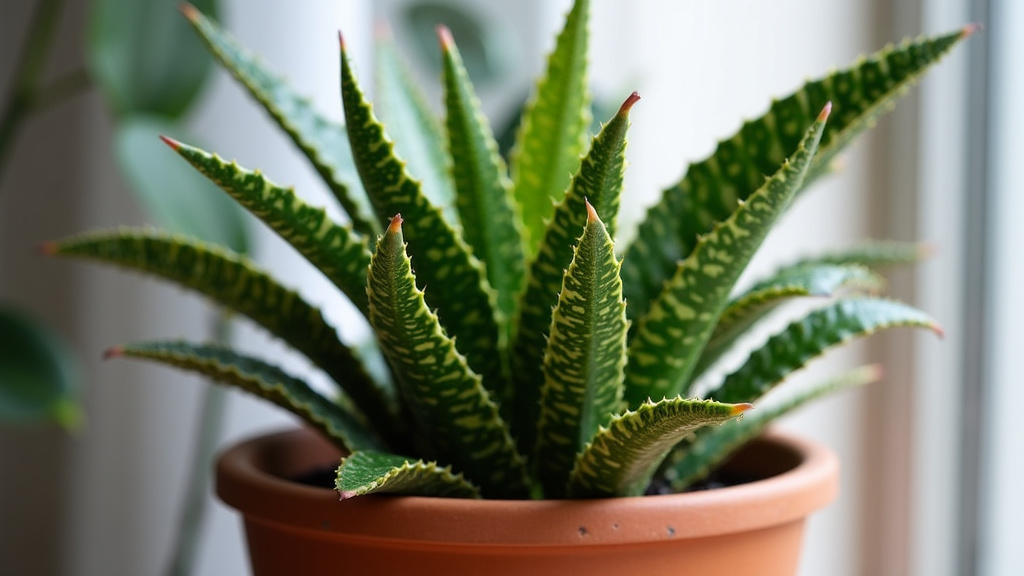
You’ve learned that the best planter for your snake plant is all about prioritizing its health. Remember, the absolute key is a pot with excellent drainage and breathable materials like terracotta or unglazed ceramic. These choices prevent the dreaded root rot by allowing excess water to escape and the soil to dry out properly. You now have the knowledge to choose a pot that’s not only stylish but also functional. Your next step? Take a look at your current snake plant’s pot and assess if it meets these needs. If not, it’s time for an upgrade to ensure your plant thrives for years to come!
Frequently Asked Questions
Can I use a plastic pot for my snake plant?
You can use a plastic pot, but you must be extra careful. Plastic pots don’t breathe well, meaning the soil stays wet longer. Ensure it has plenty of drainage holes and water your plant much less frequently to avoid root rot.
What happens if my snake plant’s pot doesn’t have drainage holes?
If your pot lacks drainage holes, you risk your snake plant developing root rot. The soil will retain too much moisture, suffocating the roots. It’s highly recommended to either drill holes or repot into a planter with them.
How do I know if my snake plant needs a bigger pot?
Signs your snake plant needs repotting include roots growing out of the drainage holes or roots circling tightly within the pot. It might also start drying out much faster than usual, even with regular watering.
Can I put a snake plant in a decorative pot without drainage holes?
While not ideal, you can use a decorative pot without drainage holes by employing a “pot within a pot” method. Place the snake plant in a plastic nursery pot with drainage holes, then set that inside the decorative pot. This allows you to easily drain excess water from the inner pot.
Should I put rocks or gravel at the bottom of my snake plant’s pot for drainage?
Research suggests that adding a layer of gravel or rocks at the bottom of a pot without drainage holes doesn’t actually improve drainage. Water can still pool above the rocks, leading to the same root rot issues. It’s best to use a pot with proper drainage holes.
