
What Is the Best Indoor Plant Fertilizer Schedule?
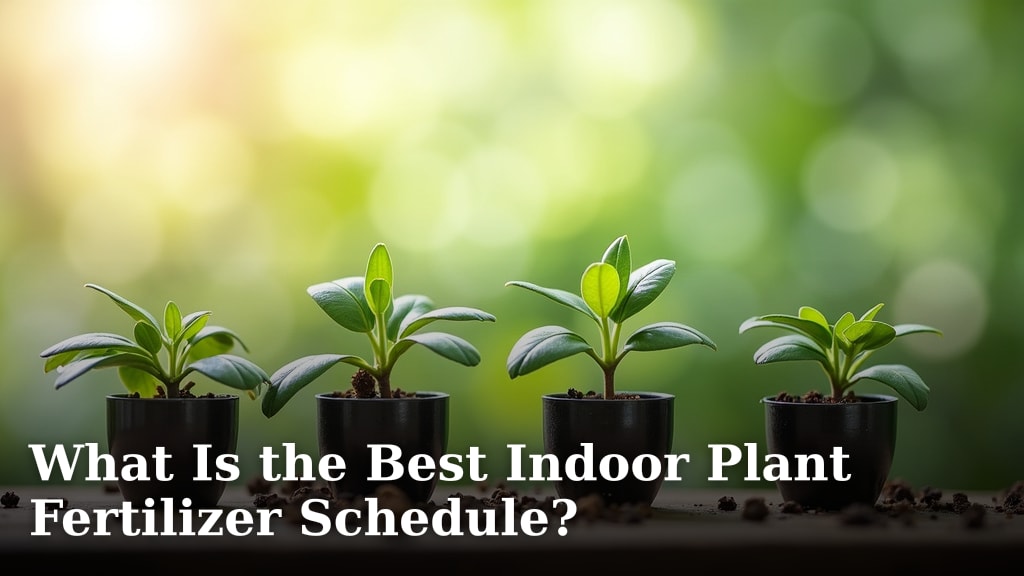
The best indoor plant fertilizer schedule isn’t a one-size-fits-all answer. Generally, you should feed your plants during their active growing season, typically spring and summer. Most houseplants benefit from feeding every 2-4 weeks with a diluted liquid fertilizer. However, this can change based on the plant type, its age, and even the light conditions it receives. Knowing your plant’s specific needs is key to providing the right nourishment. Too much fertilizer can harm your plant, while too little will leave it looking sad and droopy.
Finding the right balance is important for a thriving indoor jungle. Many factors influence how often your green friends need a nutrient boost. Things like the type of soil you use, the size of the pot, and even the humidity in your home play a role. We found that paying attention to your plant’s signals—like yellowing leaves or slowed growth—can help you fine-tune your fertilizing routine. It’s a bit like cooking; you adjust based on how things look and smell!
- Most plants need fertilizer during spring and summer.
- Feed every 2-4 weeks with diluted liquid fertilizer.
- Adjust based on plant type, age, and light.
- Watch your plant for signs of needing or not needing food.
- Over-fertilizing can damage your plant.
Let’s walk through exactly how to figure out the best feeding schedule for your leafy companions, making sure they get the nutrients they need without any fuss.
Finding Your Plant’s Perfect Feeding Rhythm
Figuring out the best time to fertilize your indoor plants can feel like a guessing game. But don’t worry, it’s simpler than you think! Most houseplants enjoy a consistent feeding schedule during their active growing season. This typically kicks off in the spring and continues through the summer months. Think of it like giving your plants a special energy drink when they’re most productive.
We’ve found that a good rule of thumb is to feed your plants every 2 to 4 weeks during this active period. This frequency ensures they get a steady supply of nutrients without being overloaded. Remember to always dilute your fertilizer; this is key to preventing root burn and other issues. Many experts recommend diluting liquid fertilizers to half or even a quarter of the strength suggested on the package.
Understanding Your Plant’s Life Cycle
Your plant’s age and current stage of life play a big role in its feeding needs. Young, actively growing plants often require more frequent feeding than mature, established ones. Similarly, plants that are flowering or producing new leaves are pulling more nutrients from the soil.
The Needs of Young Sprouts vs. Mature Plants
New seedlings and young plants are like growing children. They need consistent nourishment to develop strong roots and sturdy stems. We found that feeding them every 2 weeks during their first year can be very beneficial. This helps them establish a solid foundation for future growth.
Mature plants, on the other hand, have already reached a certain size. Their growth rate might slow down. For these established beauties, feeding once a month during the growing season is often plenty. Over-fertilizing a mature plant can actually do more harm than good, leading to salt buildup in the soil.
Flowering and Fruiting Plants: Extra Love Needed
Plants that are putting on a show with blooms or producing fruit are working hard! They need extra energy. Many horticulturalists suggest using a fertilizer with a higher phosphorus content for flowering and fruiting plants. This nutrient supports the development of flowers and fruits. You might need to feed these types of plants a bit more frequently, perhaps every 2 weeks, during their blooming or fruiting cycles.
Seasonal Adjustments: The Key to Success
Just like we change our wardrobes with the seasons, your plants’ fertilizer needs change too. The biggest factor here is light availability and temperature, which directly influence a plant’s growth rate.
Spring and Summer: The Peak Growing Season
When days get longer and the sun shines brighter, your plants wake up. They start actively producing new leaves, stems, and roots. This is their prime time for growth. This is when you should be fertilizing regularly. Many plant care guides recommend starting your feeding schedule in early spring, as soon as you notice new growth appearing. Continue this schedule throughout the summer.
Fall and Winter: Time for a Break
As autumn arrives and daylight hours shorten, most indoor plants naturally slow down their growth. They enter a period of rest, or dormancy. During these cooler, darker months, their need for fertilizer significantly decreases. We found that many experts advise stopping fertilizer altogether during fall and winter. This break allows the plant’s root system to rest and prevents the buildup of excess salts in the soil.
If you have a plant that continues to grow actively indoors year-round due to consistent, strong lighting and warmth, you might still fertilize it. However, reduce the frequency. Instead of every 2-4 weeks, try feeding it only once every 6-8 weeks. Always check your specific plant’s needs before making a decision.
Understanding Fertilizer Types and Their Schedules
Not all fertilizers are created equal. The type you choose will influence how often and how you apply it. We’ve seen that liquid, granular, and slow-release options all have different application rhythms.
Liquid Fertilizers: The Quick Boosters
Liquid fertilizers are very popular for indoor plants because they are easy to use and provide nutrients quickly. You mix them with water and apply during your regular watering. Because they are fast-acting, they can also be flushed out of the soil more quickly. This makes them ideal for a regular feeding schedule, typically every 2-4 weeks during the growing season.
Granular Fertilizers: The Slow and Steady Approach
Granular fertilizers are small pellets that you mix into the soil or sprinkle on top. They release nutrients slowly over time as you water the plant. This means you don’t need to apply them as often. A single application can often feed your plant for 2-3 months. You’ll usually apply these at the beginning of the growing season and possibly one more time mid-season.
Slow-Release Fertilizers: Set It and Forget It (Almost)
Similar to granular, slow-release fertilizers are designed to break down over an extended period. They often come in coated pellets. Depending on the product, they can feed your plant for 3, 6, or even 9 months. You typically apply these once or twice a year, usually in the spring. Always read the product label carefully to know the exact duration of feeding.
Factors That Can Adjust Your Fertilizing Routine
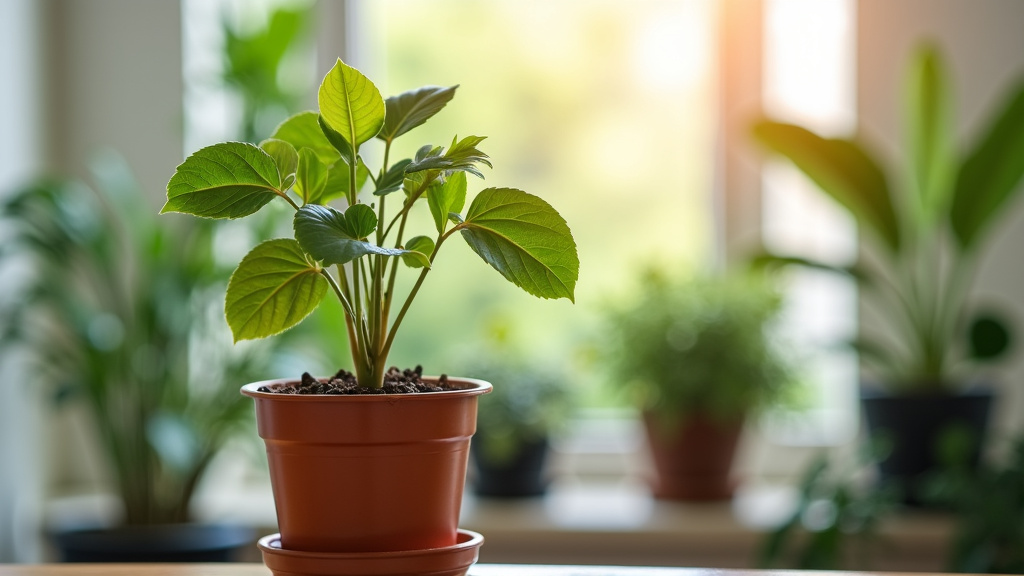
While general guidelines are helpful, your unique home environment and plant choices matter. Several factors can fine-tune the perfect schedule for your leafy friends.
Soil Type and Potting Mix
The soil you use is like your plant’s pantry. A well-draining potting mix designed for houseplants usually contains starter nutrients. However, these can get depleted over time. If you use a very sandy mix, nutrients might leach out faster with watering, requiring slightly more frequent feeding. If you use a peat-heavy mix, it can retain nutrients longer. Many sources suggest repotting every 1-2 years with fresh potting mix, which can reset the nutrient levels.
Pot Size and Drainage
Smaller pots have less soil, meaning nutrients get used up or washed away more quickly. Plants in small containers may need fertilizing more often than those in large pots. Good drainage is also vital. If water sits in the pot, it can lead to root rot and prevent nutrient uptake. Ensure your pots have drainage holes. This allows excess water and salts to escape, which is important for a healthy root system.
Light Exposure and Temperature
Plants that receive ample bright light and are kept in warmer temperatures will grow more actively. This means they’ll use up nutrients faster. Conversely, plants in lower light conditions or cooler rooms will grow more slowly and require less fertilizer. For instance, a fiddle-leaf fig in a sunny south-facing window will likely need feeding more often than a ZZ plant in a dim corner.
Signs Your Plant Needs or Doesn’t Need Fertilizer
Your plant will tell you what it needs if you learn to listen. Paying attention to its appearance is your best guide. Don’t just fertilize on a schedule; observe your plant!
Signs Your Plant Is Hungry (Needs Fertilizer)
- Slowed or Stunted Growth: If your plant isn’t producing new leaves or stems when it normally would, it might be lacking nutrients.
- Pale or Yellowing Leaves: Especially older leaves turning yellow and dropping off can indicate a nitrogen deficiency. New leaves might be smaller than usual.
- Poor Flowering: If your flowering plant isn’t blooming, or the blooms are small and sparse, it might need a nutrient boost, particularly phosphorus.
- Leggy Growth: Long, thin stems with widely spaced leaves can signal that the plant is stretching for nutrients and light.
Signs Your Plant Has Had Enough (Don’t Fertilize!)
- Brown or Burnt Leaf Tips/Edges: This is a classic sign of fertilizer burn, where too many salts have accumulated in the soil. Brown or burnt leaf tips are a classic sign of fertilizer burn, indicating you may need to adjust your fertilizing routine.
- Wilting Despite Watering: Over-fertilizing can damage roots, making it hard for the plant to absorb water, causing it to wilt.
- White Crust on Soil Surface: This is usually salt or mineral buildup from excess fertilizer.
- Excessive Leaf Drop: While some leaf drop is normal, a sudden, widespread loss of leaves can be a sign of stress from over-fertilization.
A Simple Checklist for Your Fertilizing Routine
To help you stay on track, here’s a quick checklist. Keep this handy when you’re tending to your green friends.
- Check the Season: Are you in spring or summer? If yes, it’s likely fertilizing time.
- Assess Plant Growth: Is your plant actively growing new leaves or flowers?
- Observe Leaf Color: Are leaves pale or yellowing without cause?
- Review Potting Mix: When did you last repot? Fresh soil means less immediate need.
- Read the Fertilizer Label: Always follow the dilution and frequency instructions for your specific product.
- When in Doubt, Hold Back: It’s safer to under-fertilize than over-fertilize.
Conclusion
Finding the best indoor plant fertilizer schedule is all about observation and understanding your plant’s natural rhythm. Remember, feeding during the active growing season (spring and summer) with diluted fertilizer is key. Pay close attention to your plant’s signals—like leaf color and growth rate—to avoid over or under-fertilizing. By adjusting your routine based on plant type, age, and environmental factors, you can ensure your green companions thrive. Your next step is to review your current plants and see which ones might need a feeding adjustment based on what you’ve learned today.
Frequently Asked Questions
How often should I fertilize my new indoor plants?
For new indoor plants, especially in their first year, we recommend feeding them more frequently. A schedule of every 2 weeks during their active growing season can help establish strong roots and healthy growth. Always use a diluted fertilizer to prevent shocking young plants.
Can I fertilize my plants year-round?
Generally, it’s best to reduce or stop fertilizing during the fall and winter when most indoor plants naturally slow down. If your plant receives consistent strong light and warmth, you can continue feeding but at a much lower frequency, perhaps once every 6-8 weeks, to avoid nutrient buildup.
What is the best fertilizer for flowering houseplants?
Flowering houseplants often benefit from a fertilizer with a higher phosphorus content. This nutrient specifically supports blooming. You may also need to feed these plants a bit more often, around every 2 weeks, when they are actively producing flowers.
What if my plant is in a very small pot?
Plants in small pots deplete nutrients more quickly because there’s less soil. You might find that you need to fertilize these plants more frequently than those in larger containers. Always ensure the pot has good drainage to prevent nutrient salts from accumulating.
How do I know if I’m using the right amount of fertilizer?
Observe your plant! Signs of too much fertilizer include brown, burnt leaf tips, white crust on the soil, and wilting despite watering. If you see these, stop fertilizing and flush the soil. Slow growth or pale leaves might indicate it’s time to fertilize, but always start with a diluted solution.
