
What Is the Best Grow Tent Size for a Beginner?
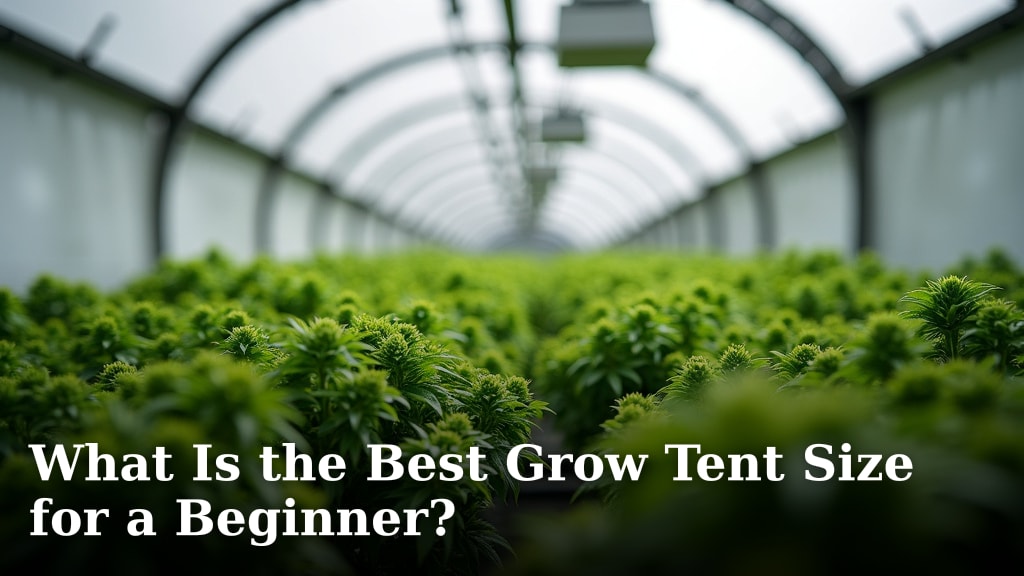
The best grow tent size for a beginner is typically a 2×2 foot or 2×4 foot tent. These smaller sizes are manageable for your first grow. They don’t require a huge amount of space or budget. They also make it easier to learn the basics of indoor gardening without feeling overwhelmed. A small, effective setup is key for early success.
Choosing the right grow tent size means considering your available space and your growing goals. Bigger isn’t always better when you’re starting out. You want a tent that is easy to manage and helps you learn. Think about the types of plants you want to grow and how much light they’ll need. This decision sets the stage for your entire indoor garden.
- Start small: 2×2 or 2×4 tents are great for beginners.
- Manageable: Smaller tents are easier to control and learn with.
- Budget-friendly: Less space usually means a lower initial cost.
- Focus on learning: Master the basics before expanding.
Let’s walk through how to pick the perfect size for your first grow tent and set you up for success!
Picking Your First Grow Tent Size
So, you’re ready to start your indoor gardening journey? That’s fantastic! One of the first big decisions you’ll make is choosing the right grow tent size. This might seem like a small detail, but it really impacts your experience. Let’s figure out what size makes the most sense for you as a beginner. We’ll make sure you get a tent that’s easy to manage and helps you learn the ropes without any unnecessary stress.
Why Size Matters for Beginners
When you’re just starting out, less can be more. A smaller grow tent is like learning to ride a bike with training wheels. It gives you stability and confidence. It’s much easier to control the environment inside a smaller space. This means you can focus on learning the basics of plant care, like watering, lighting, and humidity. Trying to manage a giant tent with multiple plants right away can be overwhelming. You want to build your skills, not fight your equipment.
The Benefits of a Smaller Footprint
Think about your available space. Do you have a spare closet, a corner of a room, or a small nook? A smaller tent fits more easily into these areas. It’s less of a commitment, both in terms of space and cost. Plus, a smaller tent needs less equipment. You’ll likely need a smaller, less powerful grow light and a simpler ventilation system. This keeps your initial investment down, which is always a plus when you’re trying something new.
Learning Curve and Manageability
A 2×2 foot or 2×4 foot tent is often recommended for a reason. These sizes are perfect for growing a few small plants or one larger one. Monitoring your plants becomes much simpler. You can easily reach all parts of the tent. You can also keep a closer eye on temperature and humidity levels. Many growers find that these smaller tents allow them to master the fundamentals of growing. You can experiment a bit without risking your entire crop.
Key Factors to Consider When Sizing Up
Before you grab the first tent you see, let’s think about what you want to grow and where it will go. These factors will guide you to the perfect size. We want to make sure your tent is a good fit for your lifestyle and your plants’ needs.
Your Available Space: The Ultimate Constraint
This is the most important factor, really. Measure the area where you plan to set up your grow tent. Think about height, width, and depth. Don’t forget to account for the space needed for equipment like fans and filters that might go inside or outside the tent. You don’t want to buy a tent only to find out it won’t fit or leaves no room to move around. A good rule of thumb is to leave some breathing room around the tent for ventilation and access.
What Are You Growing?
The type of plants you choose will influence the space you need. Some plants are naturally smaller and bushier, while others grow tall and lanky. If you’re growing herbs or a single flowering plant, a smaller tent might be all you need. If you plan on growing multiple plants or larger varieties, you’ll need more square footage. For beginners, starting with easy-to-grow plants is wise. These often don’t require as much space as more advanced strains.
Light Requirements and Heat Management
Different plants need different amounts of light. More light generally means more heat. A larger tent might require a more powerful grow light. This can increase your electricity bill and generate more heat that you’ll need to manage. In a smaller tent, a less powerful, more energy-efficient light might be sufficient. Researching the light needs of your chosen plants is key. Also, consider how well your tent can dissipate heat. Good ventilation is non-negotiable, regardless of size.
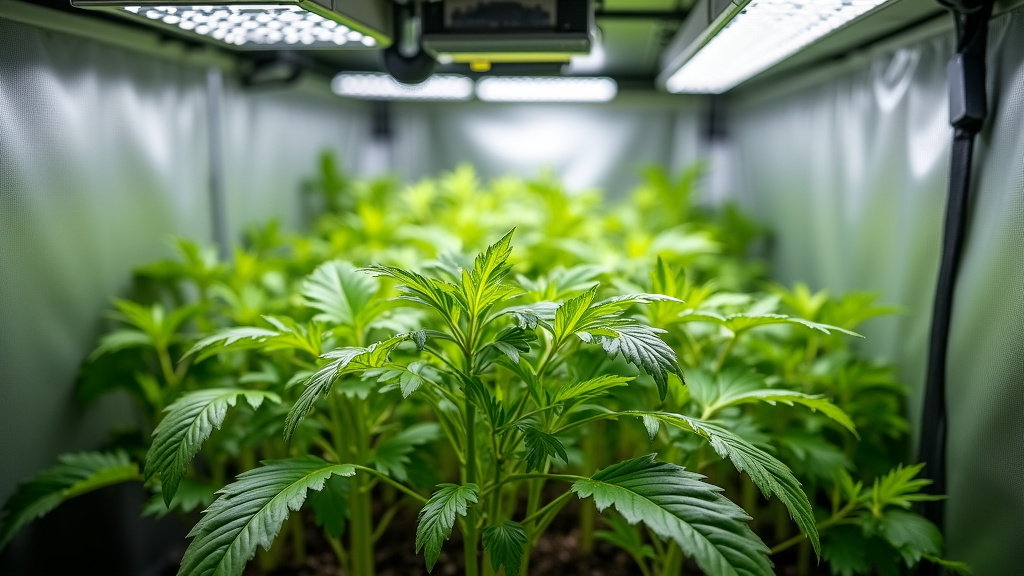
Comparing Popular Beginner Grow Tent Sizes
Let’s look at some of the most common sizes and what they’re good for. This will help you visualize what might work best for your setup.
The Mighty 2×2 Foot Tent
This is often the go-to size for absolute beginners. It’s compact and fits almost anywhere. You can typically grow 1-2 small plants in a 2×2 tent. It’s perfect for experimenting with herbs or a single, compact flowering plant. The smaller size means lower initial costs for lights, fans, and filters. It’s also incredibly easy to control the environment. If you have limited space and budget, the 2×2 is a fantastic starting point.
The Versatile 2×4 Foot Tent
Stepping up slightly, the 2×4 tent offers more flexibility. It provides twice the growing area of a 2×2. You can grow 2-4 small plants or perhaps one larger plant with more room. This size is still very manageable for beginners. It allows for a bit more room for equipment and plant growth. Many growers find the 2×4 to be a sweet spot. It offers a good balance between space, cost, and ease of use. You can also often fit a small oscillating fan more comfortably in this size.
Why Bigger Isn’t Always Better Initially
While a 4×4 or 5×5 tent might seem appealing for growing more plants, they come with challenges for newcomers. Larger tents require more powerful, and thus more expensive, grow lights. Ventilation systems need to be more robust to handle the increased air volume and heat. Controlling humidity and temperature becomes a more complex task. Many growers suggest starting smaller to gain experience and confidence. You can always upgrade to a larger tent later if you decide to expand your operation.
| Tent Size (ft) | Typical Plant Count | Best For | Pros | Cons |
|---|---|---|---|---|
| 2×2 | 1-2 small | Herbs, single compact plants, first-time experimenters | Very affordable, easy to manage, fits anywhere, low power needs | Limited space for multiple plants or larger growth |
| 2×4 | 2-4 small | Small flowering plants, multiple herbs, growing a bit more | Good balance of space and manageability, more room for equipment, still budget-friendly | Requires slightly more equipment than 2×2 |
| 3×3 | 2-4 medium | Slightly larger plants, growing a few different things | More growing space, good for moderate yields | Needs more powerful light, ventilation more important |
Setting Up for Success: A Quick Checklist
Ready to make your choice? Here’s a quick rundown to ensure you’re on the right track for your first grow tent:
- Measure your available space carefully.
- Decide on the type of plants you want to grow first.
- Consider your initial budget for the tent and equipment.
- Think about how much space you’ll need for ventilation.
- Choose a size that feels manageable and not overwhelming.
- Don’t be afraid to start small; you can always grow bigger later!
Choosing the right size grow tent is a foundational step. It ensures your learning process is smooth and enjoyable. By considering your space, your plants, and your budget, you can select a tent that sets you up for success. Let’s get growing!
Conclusion
You’ve learned that for your first indoor garden, a 2×2 or 2×4 foot grow tent is your best bet. These smaller sizes offer a manageable learning curve and a lower entry cost. They allow you to focus on mastering plant care basics without the overwhelm of a larger setup. Remember to measure your space and consider your plant choices. This thoughtful approach will lead you to the perfect tent size. Now, you’re ready to take that exciting next step. Go ahead and pick your first grow tent, and get ready to start growing!
Frequently Asked Questions
Is a 2×2 grow tent too small for anything serious?
Not at all! A 2×2 tent is perfect for beginners growing herbs or a single compact plant. It’s an excellent way to learn the ropes without a big investment. You can achieve great results with a smaller setup.
How many plants can I realistically grow in a 2×4 grow tent?
In a 2×4 foot tent, you can typically grow 2 to 4 small plants comfortably. This size offers more flexibility than a 2×2, allowing for a bit more growth space per plant or multiple smaller ones.
Do I need a bigger tent if I want to grow flowering plants?
For beginners, a 2×4 tent is usually sufficient for growing flowering plants. As you gain experience, you might want a larger tent for bigger yields or multiple flowering strains. But start with the 2×4 to learn environmental controls.
What equipment needs change with a larger grow tent size?
Larger tents require more powerful grow lights to cover the increased area. Ventilation systems also need to be more robust to manage the greater air volume and heat generated. This means higher initial costs and more energy usage.
Can I fit a fan and filter in a small 2×2 or 2×4 tent?
Yes, you can. Small inline fans and carbon filters are designed for these tent sizes. Ensure you measure your tent’s height and interior space to select appropriately sized equipment that fits without taking up too much grow area.
