
What Is the Ideal Temperature for a Grow Tent?
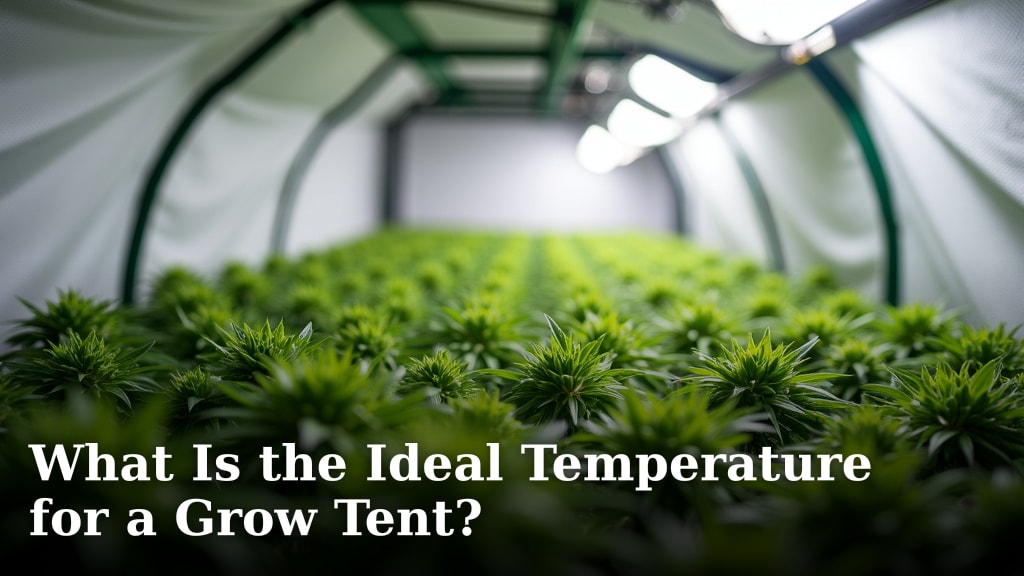
The ideal temperature for a grow tent is typically between 70-85°F (21-29°C) during the day. At night, it can drop a bit, usually to 60-70°F (15-21°C). Maintaining this range helps your plants grow happy and healthy, avoiding stress from being too hot or too cold. We found this range works best for most common indoor plants.
Getting the temperature right is a big deal for your grow tent’s success. Too warm, and your plants might get heat stress, slowing their growth or even causing damage. Too cool, and they’ll struggle to perform their best. You need to consider both the daytime and nighttime temperatures for optimal results. We’ve seen that consistent, stable temps are key.
- Daytime: 70-85°F (21-29°C)
- Nighttime: 60-70°F (15-21°C)
- Avoid extreme highs and lows.
- Consistency is more important than exact numbers.
Let’s break down why this temperature range is so important and how you can best achieve and maintain it in your own grow tent setup. We’ll cover the essentials to keep your plants thriving. Learn about the best grow light options for your indoor plants.
Finding the Sweet Spot: Ideal Grow Tent Temperatures
Your plants are like little chefs, and temperature is a key ingredient in their recipe for growth. We found that keeping your grow tent in a specific temperature range is super important for happy, healthy plants. Think of it like Goldilocks – not too hot, not too cold, but just right. This sweet spot helps them photosynthesize efficiently, absorb nutrients, and avoid common issues.
Why Temperature Matters So Much
Plants have their own preferred climates, and your grow tent is your chance to provide it. When temperatures are outside their ideal zone, plants get stressed. This stress can manifest in several ways. They might slow down their growth, develop deficiencies, or become more susceptible to pests and diseases. We’ve seen that consistent temperatures lead to more predictable and robust growth patterns.
The Science Behind the Sweet Spot
Photosynthesis, the process where plants convert light into energy, is directly influenced by temperature. Each plant species has an optimal temperature range for this process. When it’s too hot, enzymes involved in photosynthesis can break down. When it’s too cold, these enzymes work too slowly. Nutrient uptake is also affected. Roots absorb nutrients best within certain temperature parameters. If the soil is too cold, root activity slows down, hindering nutrient absorption.
Common Temperature Pitfalls to Avoid
Many new growers make the mistake of focusing only on the high end of the temperature spectrum. They think more heat equals faster growth. That’s not always true! Extreme heat can cause heat stress, wilting, and stunted development. On the flip side, consistently cool temperatures can lead to slow growth, poor flowering, and a higher risk of mold. We found that fluctuations are just as damaging as extreme temperatures. Plants prefer stability.
Daytime Temperature: The Engine of Growth
During the day, when your grow lights are on, your tent will naturally heat up. This is when your plants are most actively photosynthesizing. The ideal daytime temperature range we’ve observed for most common indoor plants is between 70-85°F (21-29°C). This range allows for efficient photosynthesis and metabolic activity without causing undue stress.
What Happens When it’s Too Hot?
If your tent creeps above 85°F (29°C), your plants might start showing signs of heat stress. You could see wilting, curling leaves, or even brown, crispy edges. Their growth can slow to a crawl as they try to conserve energy. We’ve found that prolonged exposure to high heat can seriously damage your plants, sometimes beyond recovery.
What Happens When it’s Too Cold?
On the cooler side, if your daytime temperatures dip below 70°F (21°C), photosynthesis will slow down. Your plants won’t be able to convert light energy into growth as effectively. This can lead to leggy growth (long, thin stems with few leaves) as the plant stretches for light, and delayed flowering in fruiting or flowering plants. Many experts agree that cool temperatures during the light cycle are inefficient for plant growth (University of Massachusetts Extension).
Nighttime Temperature: The Recovery Phase
When the lights go out, your plants enter a recovery and respiration phase. They use the energy stored during the day. The ideal nighttime temperature is typically a bit cooler than daytime, usually between 60-70°F (15-21°C). This drop mimics natural conditions and helps plants conserve energy.
The Importance of a Temperature Drop
A slight temperature drop at night is actually beneficial. It signals to the plant that the day is over and it’s time to rest and repair. This natural cycle is important for overall plant health and development. Many plant scientists have noted that this diurnal temperature variation is critical for optimal growth in many species (American Society for Horticultural Science).
Risks of Too Little or Too Much Nighttime Drop
If the temperature stays too high at night (above 70°F or 21°C), your plants might continue to respire too actively, using up energy reserves unnecessarily. Conversely, if it drops too much, especially below 55°F (13°C), you risk stunting growth and potentially damaging delicate plant tissues. Extreme cold at night can also increase the risk of condensation, leading to mold issues. We observed that a drop of about 5-10°F (3-5°C) is usually ideal.
Monitoring Your Grow Tent Environment
You can’t manage what you don’t measure! Having a reliable thermometer or hygrometer is non-negotiable for any serious grower. Digital models are widely available and offer easy-to-read displays. Some advanced units can even log temperature and humidity over time, which is incredibly useful for identifying patterns and issues.
Placement is Key for Accurate Readings
Where you place your thermometer matters. Don’t put it right next to your lights or an exhaust fan, as this will give you a false reading. It should be placed at the canopy level of your plants, in the center of the tent, to get the most accurate representation of the air your plants are breathing. We found that even a few inches can make a difference.
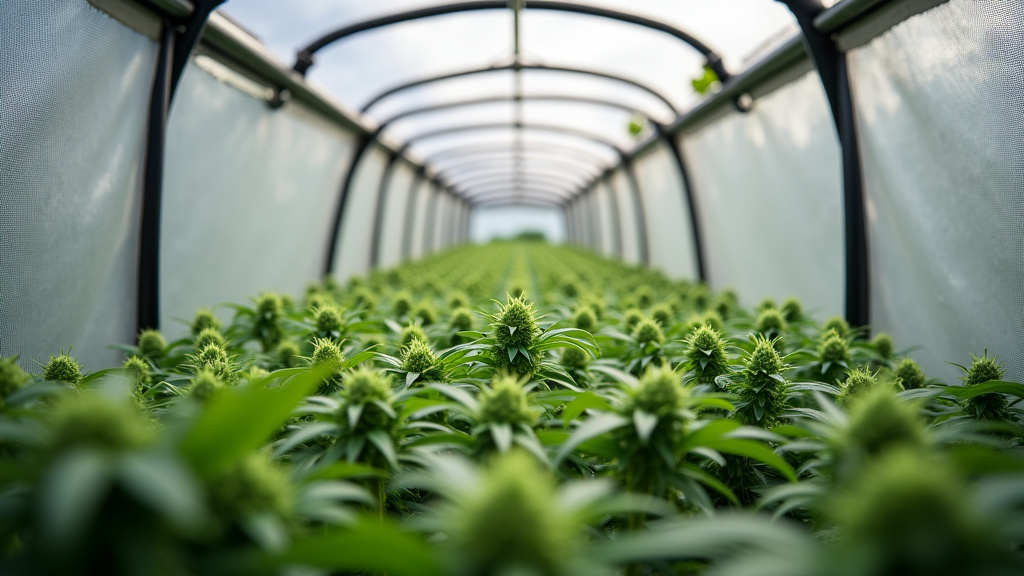
Tools and Techniques for Temperature Control
Achieving the ideal temperature often requires a combination of tools and smart setup. Your grow tent is a contained environment, so managing heat and airflow is essential.
Ventilation: Your First Line of Defense
Proper ventilation is critical. An exhaust fan pulls hot air out of the tent, and an intake vent allows fresh air to enter. This constant air exchange helps regulate temperature and humidity. Make sure your fan is powerful enough for your tent size. We found that undersized fans are a common mistake.
Circulation Fans: Keeping Air Moving
Small oscillating fans inside the tent help circulate air. This prevents hot or cold spots and strengthens your plants’ stems by making them work a little. Good airflow also reduces the risk of mold and mildew by keeping leaf surfaces dry. Many growers consider internal circulation fans as vital as the main exhaust.
Lighting Choices and Heat Output
The type of grow lights you use significantly impacts tent temperature. LEDs generally produce less heat than older HID (High-Intensity Discharge) lights like metal halide or high-pressure sodium. If heat is a major concern, investing in an LED system can be a smart move. We’ve seen significant temperature differences just by switching light types. Understanding grow light distance is key to managing heat and optimizing plant growth.
Cooling Solutions for Hot Tents
If your tent consistently runs too hot, you might need additional cooling. This could involve a larger exhaust fan, a window AC unit aimed at the tent’s intake, or even a portable air conditioner. Some growers even use “cool tubes” for their lights, which vent heat directly outside the tent.
Heating Solutions for Cold Tents
In cooler environments, you might need supplemental heat. A small, enclosed ceramic heater or a seedling mat under your pots can help raise the temperature. Always use these with caution and ensure they are safe for use in a grow tent environment. Look for models with automatic shut-off features. We recommend using a thermostat to control any heating elements.
The Impact of Humidity on Temperature Perception
While temperature is king, humidity plays a supporting role. High humidity can make the air feel warmer than it is, and low humidity can make it feel cooler. It also affects your plants’ transpiration rate. A good rule of thumb for humidity during the vegetative stage is 40-60%, and for flowering, 40-50%. We found that keeping humidity in check often helps with temperature regulation too.
| Growth Stage | Daytime Temperature (°F) | Nighttime Temperature (°F) | Daytime Temperature (°C) | Nighttime Temperature (°C) |
|---|---|---|---|---|
| Seedling/Clone | 70-80°F | 65-75°F | 21-27°C | 18-24°C |
| Vegetative | 70-85°F | 60-70°F | 21-29°C | 15-21°C |
| Flowering | 68-80°F | 60-70°F | 20-27°C | 15-21°C |
A Quick Checklist for Temperature Success
Getting the temperature right doesn’t have to be complicated. Follow these simple steps to ensure your grow tent stays in the optimal range:
- Use a reliable thermometer and place it at plant level.
- Ensure adequate ventilation with an exhaust fan.
- Install circulation fans to keep air moving.
- Monitor temperatures during both light and dark cycles.
- Adjust heating or cooling as needed to maintain stability.
- Check humidity levels, as they affect perceived temperature.
Conclusion
You’ve learned that mastering your grow tent’s temperature is key to healthy, vigorous plants. Remember, consistency is your best friend, aiming for that 70-85°F (21-29°C) daytime range and a cooler 60-70°F (15-21°C) at night. By using reliable monitoring tools and smart ventilation, you can create the perfect climate.
Don’t let temperature control be a mystery; it’s an achievable goal. Start by checking your current setup and making small adjustments. Your plants will thank you with better growth and healthier yields.
Frequently Asked Questions
What’s the biggest mistake new growers make with grow tent temperatures?
A common pitfall is focusing too much on just heat, thinking hotter is always better. This often leads to heat stress and slowed growth. Another mistake is not monitoring temperatures consistently across the whole light and dark cycle, leading to detrimental fluctuations.
Can the type of grow light affect my tent’s temperature?
Absolutely! Different lights produce varying amounts of heat. LEDs are known for being more energy-efficient and producing less heat compared to older HID lights like metal halides or HPS. If heat is a major issue, switching to LEDs can make a big difference.
How do I know if my grow tent is too hot or too cold?
Watch your plants closely for signs of stress. Wilting, curling, or brown edges often indicate it’s too hot. Slow growth, leggy stems, or a lack of flowering can point to it being too cold. Consistent monitoring with a thermometer is your best bet.
Is a temperature drop at night really necessary?
Yes, a slight temperature drop at night is beneficial. It mimics natural conditions and allows your plants to enter a rest and repair phase, using the energy they stored during the day. This diurnal variation is important for their overall health and development.
How often should I be checking my grow tent temperature?
For best results, you should check your grow tent temperature at least a few times a day, especially during the transition from light to dark and vice versa. If you have a digital thermometer with logging capabilities, you can review the data periodically to ensure stability.
