
How to Grow Calathea Indoors without Brown Edges?
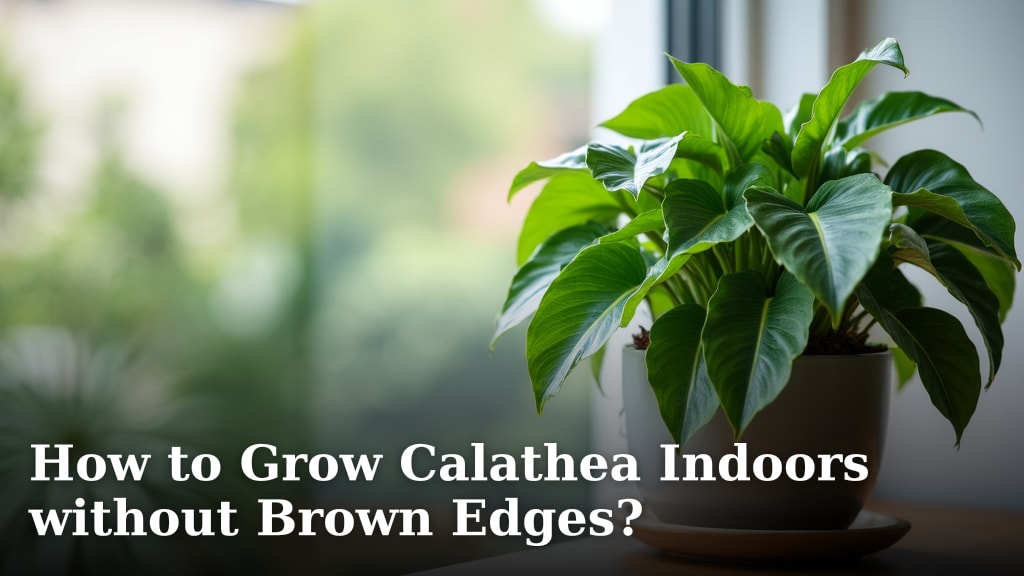
You can grow gorgeous Calathea plants indoors without brown edges by controlling a few key environmental factors. The main culprits for crispy Calathea leaves are low humidity, tap water chemicals, and inconsistent watering. Focusing on these areas will help you achieve lush, vibrant foliage.
Calatheas, also known as prayer plants, are tropical beauties. They thrive in conditions that mimic their natural rainforest homes. This means providing them with the right kind of moisture and water. Achieving this balance is key to preventing those unsightly brown tips and edges on your indoor foliage.
- Keep humidity high.
- Use filtered or distilled water.
- Water consistently, but don’t overwater.
- Avoid direct sunlight.
Let’s walk through the simple steps to keep your Calathea happy and brown-edge-free, ensuring you can enjoy its stunning patterns year-round.
Keeping Your Calathea’s Edges Green Indoors
Brown edges on your Calathea are a cry for help. They often mean something in your plant’s environment is out of whack. You can fix this by paying attention to a few key areas. These plants hail from steamy tropical forests. They need a little pampering to stay happy indoors.
Humidity: The Big Kahuna for Calatheas
This is where most Calathea owners struggle. These plants absolutely adore high humidity. Think rainforest, not your dry living room. Low humidity is the number one reason for those crispy brown edges. Your Calathea is basically saying, “It’s too dry in here for me!”
Why Humidity Matters So Much
Calatheas have thin, delicate leaves. They lose moisture rapidly in dry air. This is especially true in winter when heating systems dry out the air. Many plant experts explain that plants transpire through their leaves. If the surrounding air is too dry, they lose water faster than they can absorb it through their roots. This leads to leaf damage, including brown edges and tips (National Gardening Association).
Boosting Humidity Around Your Plant
Don’t worry, you don’t need to build a personal rainforest. There are several easy ways to increase humidity around your Calathea. There are several easy ways to increase humidity for your Calathea.
- Misting: Lightly misting your Calathea’s leaves daily can help. Use a fine spray bottle. Just be sure to mist the leaves, not the soil. Also, avoid misting in direct sunlight, as this can scorch the leaves.
- Pebble Tray: Place a shallow tray filled with pebbles and water directly beneath your plant’s pot. As the water evaporates, it creates a humid microclimate around the plant. Make sure the bottom of the pot isn’t sitting directly in the water, as this can lead to root rot.
- Grouping Plants: Placing your Calathea with other plants can also boost humidity. Plants release moisture through transpiration. When grouped together, they create a more humid environment for each other. It’s like a little plant party!
- Humidifier: For the ultimate humidity boost, consider using a small room humidifier. Place it near your Calathea. This is especially effective during dry winter months or if you live in a naturally arid climate. Many sources recommend maintaining humidity levels between 50-60% for optimal Calathea health (Clemson Cooperative Extension).
Watering Wisely: Not Too Much, Not Too Little
Watering is another critical factor. Too much or too little can both cause problems. Brown edges are often a sign of underwatering, but overwatering can also lead to root issues that manifest as leaf problems.
The Right Water: Ditch the Tap
Tap water is often the hidden enemy of Calatheas. It contains minerals and chemicals like chlorine and fluoride. These can build up in the soil and in the plant’s tissues. This buildup is toxic to sensitive plants like Calatheas. It can cause leaf tips and edges to turn brown and crispy. Many plant enthusiasts recommend using:
- Filtered water: Use a water filter pitcher or a faucet filter.
- Distilled water: This is readily available at most grocery stores.
- Rainwater: If you can collect it safely, rainwater is perfect!
If you must use tap water, try letting it sit out overnight. This allows some of the chlorine to evaporate. However, fluoride is not so easily released. It’s best to avoid tap water altogether if possible.
Finding Your Calathea’s Watering Rhythm
Calatheas prefer consistently moist soil, but not soggy. They don’t like to dry out completely. But they also hate sitting in waterlogged conditions. The best way to know when to water is to check the soil.
How to Check: Stick your finger about an inch into the soil. If it feels dry, it’s time to water. If it feels moist, wait a bit longer. Overwatering can lead to root rot, which also causes brown leaves and can eventually kill your plant.
Watering Technique: When you water, water thoroughly. Pour water over the soil until it drains from the bottom of the pot. Discard any excess water that collects in the saucer after about 30 minutes. This prevents the roots from sitting in standing water.
The Importance of Soil and Potting
The right soil and pot are crucial for proper drainage and aeration. This helps prevent waterlogged roots, which can contribute to brown edges.
Choosing the Right Potting Mix
Calatheas need a well-draining potting mix. A good choice is a peat-based mix that’s light and airy. You can also amend standard potting soil with perlite or orchid bark. This improves drainage and prevents compaction. Many growers suggest a mix that allows for good airflow to the roots. Calatheas need a well-draining potting mix to prevent waterlogged roots, which can contribute to brown edges.
Potting Mix Recipe Idea: Try mixing equal parts peat moss, perlite, and coco coir. This provides moisture retention and excellent drainage. Some sources suggest adding a bit of charcoal to help keep the soil fresh (Missouri Botanical Garden).
Pot Selection Matters Too
Ensure your Calathea’s pot has drainage holes. This is non-negotiable! Terracotta pots can be good as they allow the soil to dry out a bit faster. Plastic or glazed ceramic pots retain more moisture. Choose a pot that is only slightly larger than the plant’s root ball. Too large a pot can hold too much soil, which stays wet for too long.
Light: Calathea’s Preferred Ambiance
Calatheas are understory plants. This means they grow on the forest floor, beneath the canopy of larger trees. They are accustomed to dappled light, not harsh, direct sun. Too much direct sunlight can scorch their leaves. This leads to those dreaded brown spots and edges.
What Kind of Light Do They Need?
Bright, indirect light is ideal. Think of a spot near an east-facing window or a few feet back from a south or west-facing window. If you notice your plant’s leaves are looking faded or developing crispy spots, it might be getting too much light. Rotate your plant periodically to ensure even growth. Its leaves will naturally move towards the light source.
Temperature and Airflow: Creating a Comfy Climate
While humidity and water are key, temperature also plays a role. Calatheas prefer warm, stable temperatures.
Ideal Temperature Range
Most experts recommend keeping your Calathea in temperatures between 65-80°F (18-27°C). They are tropical plants, so they don’t do well in cold drafts. Avoid placing them near drafty windows, air conditioning vents, or heating radiators. Sudden temperature fluctuations can stress the plant and lead to browning leaves.
Gentle Airflow is Good
While you want to avoid drafts, some gentle airflow is beneficial. It helps prevent fungal diseases. If your home is very stuffy, a small, oscillating fan on a low setting across the room can help. Just ensure it’s not blowing directly on the plant.
Troubleshooting Brown Edges: A Quick Guide
When those brown edges appear, don’t panic! Here’s a quick checklist to help you diagnose and fix the problem:
- Check humidity: Is it consistently high? Consider a pebble tray or humidifier.
- Inspect your water: Are you using tap water? Switch to filtered or distilled.
- Feel the soil: Is it too dry or too wet? Adjust your watering schedule.
- Examine the light: Is it too direct or too dim? Move your plant accordingly.
- Look for drafts: Is the plant exposed to cold air or heat sources? Relocate it.
By regularly checking these factors, you can keep your Calathea healthy and vibrant, banishing those brown edges for good.
Conclusion
You’ve got the power to banish brown edges from your Calathea! By focusing on high humidity, using the right water, and finding that perfect watering rhythm, you’re setting your plant up for success. Remember, Calatheas are tropical beauties that crave moisture and dislike harsh conditions. Don’t forget to provide bright, indirect light and stable temperatures. Make these adjustments consistently, and you’ll soon enjoy the vibrant, unblemished foliage your Calathea is known for. Your next step? Grab a humidifier or a pebble tray and give your plant the environment it truly deserves!
Frequently Asked Questions
Why are my Calathea leaves getting brown tips even when I water them?
Brown tips often indicate low humidity, even if your watering is on point. Calatheas lose moisture rapidly in dry air, and this can manifest as crispy tips. Also, check the
