
How to Grow Philodendron Indoors?
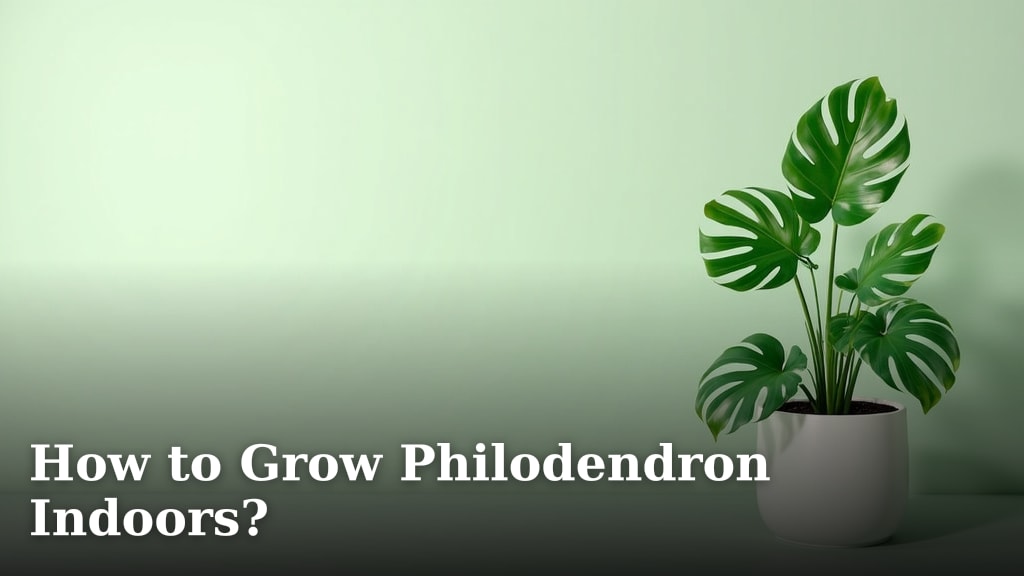
You can absolutely grow beautiful Philodendron plants indoors with minimal fuss. These leafy beauties are known for their easy care and forgiving nature, making them a top choice for both beginner and experienced plant parents. With the right approach, your Philodendron can thrive and add a touch of lushness to your home for years to come. We found that consistency is key to their success.
Growing Philodendrons indoors involves understanding their basic needs. They enjoy bright, indirect light and moist, well-draining soil. Overwatering is a common pitfall, so it’s important to let the top inch of soil dry out between waterings. Many experts agree that these plants are quite tolerant of neglect, but a little attention goes a long way.
- Provide bright, indirect light.
- Water when the top soil is dry.
- Use well-draining potting mix.
- Expect lush growth with simple care.
Ready to bring some tropical vibes into your space? Let’s walk through exactly how to grow your Philodendron indoors and keep it looking its absolute best.
Caring for Your Philodendron Indoors
Growing Philodendrons inside your home is a rewarding experience. These plants are remarkably adaptable. You can bring a touch of the tropics indoors with them. We found that with a few simple steps, your Philodendron will thrive. It’s easier than you might think to keep them happy and healthy.
Finding the Perfect Spot: Light Requirements
Light is probably the most important factor for your Philodendron. They love bright conditions. However, they do not like direct sunlight. Think of them as sunbathers who prefer a bit of shade. Direct sun can scorch their leaves. This can leave you with sad, brown spots.
Many plant experts recommend placing your Philodendron near an east or north-facing window. These windows offer bright light without harsh rays. West or south-facing windows can work too. You just need to filter the light. A sheer curtain is a great way to do this. It diffuses the sun’s intensity. This protects your plant’s delicate foliage.
Signs Your Philodendron Needs More or Less Light
Your plant will tell you if its light situation isn’t quite right. If the leaves look pale or leggy, it likely needs more light. This is its way of reaching for the sun. On the other hand, if the leaves are developing brown, crispy spots, it’s getting too much direct sun. You might also see yellowing leaves in this case. Adjusting its position slightly can solve these issues quickly.
The Art of Watering: Avoiding Common Mistakes
Watering is where many plant parents run into trouble. The number one rule is: don’t overwater. Philodendrons prefer their soil to dry out slightly between waterings. This prevents root rot, which is a serious problem for these plants. We found that soggy soil is a Philodendron’s worst enemy.
How to Tell When It’s Time to Water
Checking the soil moisture is key. Stick your finger about an inch or two into the soil. If it feels dry at that depth, it’s time to water. If it still feels moist, wait a few more days. Another indicator is the weight of the pot. A dry pot will feel much lighter than a recently watered one.
Watering Techniques for Happy Roots
When you do water, water thoroughly. Ensure water runs out of the drainage holes at the bottom of the pot. This ensures the entire root ball gets a good drink. Discard any excess water that collects in the saucer after about 30 minutes. Allowing the plant to sit in standing water is a recipe for disaster. Many horticultural sources advise against this practice (American Society for Horticultural Science).
Choosing the Right Potting Mix and Pot
The kind of soil you use matters. Philodendrons need a potting mix that drains well. Standard potting soil can sometimes be too dense. It holds too much moisture. This can lead to the dreaded root rot we talked about.
Creating Your Own Well-Draining Mix
You can easily create your own custom mix. A good ratio is to combine equal parts potting soil, perlite, and peat moss or coco coir. Perlite adds aeration, allowing water to drain and air to reach the roots. Peat moss or coco coir helps retain some moisture without becoming waterlogged. Many seasoned growers swear by this blend.
The Importance of Drainage Holes
No matter what kind of soil you use, your pot absolutely must have drainage holes. Without them, water has nowhere to go. This creates a stagnant environment that is perfect for root rot. If you have a decorative pot without holes, you can use it as a cachepot. Simply place your Philodendron in a plastic nursery pot with drainage holes inside the decorative one. Remove the inner pot to water and discard excess water before returning it.
Temperature and Humidity: Creating a Tropical Vibe
Philodendrons hail from tropical regions. They naturally enjoy warm temperatures and higher humidity. You can mimic these conditions indoors quite easily.
Ideal Temperature Range
Most common Philodendron varieties are happy in temperatures between 65°F and 80°F (18°C – 27°C). They can tolerate slightly cooler temperatures, but try to avoid exposing them to anything below 55°F (13°C). They also don’t like sudden temperature fluctuations. Keep them away from drafty windows or heating vents. Consistency is key for their comfort.
Boosting Humidity for Your Plant
Low humidity can cause brown, crispy leaf edges. This is especially common in homes with dry air, particularly during winter when heating systems are running. There are several ways to increase humidity around your Philodendron.
- Misting: While some people mist their plants, research suggests its effect is temporary and can sometimes encourage fungal issues if leaves stay wet for too long.
- Pebble Tray: Place the pot on a tray filled with pebbles and water. As the water evaporates, it creates a humid microclimate around the plant.
- Grouping Plants: Plants release moisture through transpiration. Grouping several plants together can create a more humid environment for all of them.
- Humidifier: For very dry environments, a small room humidifier is the most effective solution. Many plant enthusiasts find this to be a game-changer.
Many botanical gardens recommend a humidity level of 50% or higher for tropical plants. While achieving this indoors can be challenging, any increase is beneficial.
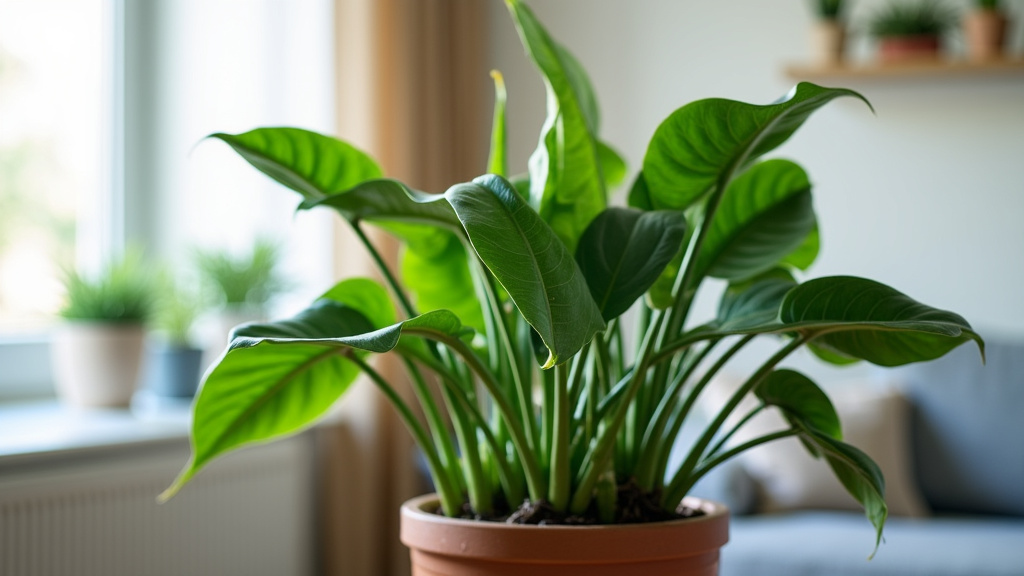
Feeding Your Philodendron: A Little Goes a Long Way
Fertilizing your Philodendron isn’t strictly necessary for survival. However, it can significantly boost its growth and vibrancy. Think of it as a healthy snack for your plant.
When and How Often to Fertilize
The best time to fertilize is during the growing season, which is typically spring and summer. You can feed your plant about once a month during this period. Reduce or stop fertilizing in the fall and winter when growth naturally slows down. Over-fertilizing can be just as harmful as under-watering, so less is often more. We found that feeding only during active growth phases prevents nutrient buildup.
Choosing the Right Fertilizer
Use a balanced liquid houseplant fertilizer. Look for one with an N-P-K ratio like 10-10-10 or 20-20-20. Always dilute the fertilizer according to the package instructions. Some growers even suggest diluting it to half strength to be extra safe. Never fertilize a dry plant; water it first to avoid burning the roots.
Troubleshooting Common Philodendron Problems
Even with the best care, you might encounter a few issues. Don’t get discouraged! Most problems are easily solved.
Yellowing Leaves: What It Means
Yellow leaves on a Philodendron can indicate a few things. It could be overwatering, underwatering, or even a nutrient deficiency. If the soil is consistently wet and the leaves are yellow, try reducing your watering frequency. If the soil is dry, you may need to water more often. If other conditions seem correct, a light feeding might help.
Brown Tips or Edges: The Likely Culprit
Crispy brown tips or edges usually point to low humidity or inconsistent watering. As mentioned earlier, misting, a pebble tray, or a humidifier can help with humidity. Ensure you’re watering thoroughly when the soil is dry. Fluctuations in watering schedules can stress the plant.
Pests: Identifying and Treating
Philodendrons can occasionally attract common houseplant pests like spider mites, mealybugs, or aphids. Regularly inspect your plant’s leaves, stems, and undersides for any signs of infestation. If you spot pests, wipe them off with a damp cloth or a cotton swab dipped in rubbing alcohol. For more severe infestations, you can use insecticidal soap or neem oil. Always follow product instructions carefully.
Pruning for a Fuller, Healthier Plant
Pruning is a great way to maintain your Philodendron’s shape. It also encourages bushier growth. Don’t be afraid to grab your scissors!
When and How to Prune
You can prune your Philodendron any time of year. However, spring or early summer is ideal. This is when the plant is actively growing. To prune, simply cut stems back to just above a leaf node. This is the small bump on the stem where a leaf grows. Pruning encourages new growth to sprout from that point.
Propagating Your Cuttings
The best part about pruning? You can propagate the cuttings! Place the cut stems in water or directly into moist potting soil. In a few weeks, you’ll see roots forming. This is a fantastic way to get more Philodendrons for free. Many plant lovers enjoy sharing cuttings with friends.
Quick Checklist for Philodendron Success
Here’s a quick rundown to keep your Philodendron thriving:
- Bright, indirect light is best.
- Water only when the top inch of soil is dry.
- Use a well-draining potting mix.
- Ensure your pot has drainage holes.
- Maintain average room temperatures.
- Fertilize lightly during the growing season.
Conclusion
You’ve got this! Growing vibrant Philodendrons indoors is achievable with just a little attention to their needs. Remember, they thrive on bright, indirect light and a good balance of moisture in their soil. Avoid the temptation to overwater, and ensure your pot has drainage. By providing consistent care, you’ll enjoy lush, beautiful foliage that brings a touch of the tropics right into your home. Your next step? Find the perfect spot for your Philodendron and get ready to watch it flourish!
Frequently Asked Questions
How often should I really water my Philodendron?
The best way to know is to check the soil. Stick your finger about an inch or two down. If it feels dry, it’s time to water. If it’s still moist, wait a few more days. Consistency is more important than a strict schedule.
Can my Philodendron tolerate low light conditions?
While Philodendrons can survive in low light, they won’t thrive. They prefer bright, indirect light for best growth and vibrant foliage. If you only have low light, your plant may become leggy and pale.
Why are my Philodendron leaves turning yellow?
Yellow leaves often signal a watering issue. It could be overwatering, leading to root rot, or underwatering, causing stress. Check the soil moisture to determine if you need to adjust your watering routine.
What’s the best way to increase humidity for my Philodendron?
A pebble tray with water is a simple method to boost humidity around your plant. Grouping plants together also helps create a more humid microclimate. For very dry homes, a small room humidifier is quite effective.
When is the best time to prune my Philodendron?
You can prune your Philodendron anytime, but spring or early summer is ideal. This is when the plant is actively growing, so it will recover quickly. Pruning encourages bushier growth and can be used for propagation.
