
How to Grow Chili Peppers Indoors Under Lights?
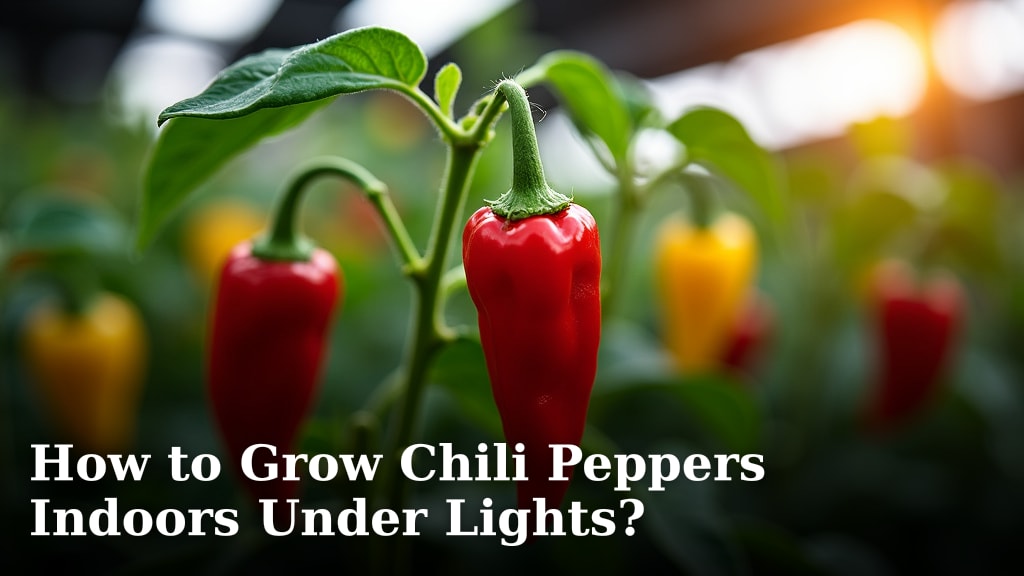
Yes, you can absolutely grow chili peppers indoors under lights, and it’s easier than you might think! Many growers have successfully produced spicy harvests year-round with the right setup. With a little planning, you can enjoy your own fresh peppers, no matter the season or weather outside. This method is perfect for adding some heat to your kitchen.
Growing chilies indoors under lights means you’re in charge of their environment. You control the light, water, and nutrients. This allows for consistent growth and can even lead to bigger, more flavorful peppers. Think of it as creating your own tropical paradise for peppers, right inside your home.
- You can grow chili peppers indoors.
- Use grow lights for consistent heat and light.
- Choose the right pots and soil for good drainage.
- Provide consistent watering and feeding for best results.
- Many varieties do well indoors, from mild to super-hot.
Let’s walk through exactly how to get your indoor chili pepper garden thriving from seed to harvest.
Bringing the Heat: Your Guide to Growing Chili Peppers Indoors Under Lights
You’re ready to grow your own spicy peppers, right inside your home. It’s totally achievable! This guide will walk you through everything you need to know. We’ll cover the setup, the care, and what to expect. Get ready for a flavorful harvest, no matter the weather outside.
Choosing the Right Chili Pepper Varieties for Indoor Growing
Not all chili peppers are created equal when it comes to indoor life. Some varieties are naturally smaller and more manageable. Others thrive in controlled environments. Think about your heat preference. Do you love a gentle warmth or a scorching inferno? Your choice matters.
Mild to Medium Heat Champions
For beginners, starting with milder peppers is a smart move. Varieties like Jalapeños are very popular. They don’t get too big and produce well. Bell peppers, though not “hot,” are also excellent indoor choices for their productivity and ease of growth. Sweet Banana peppers offer a mild flavor with a hint of sweetness. They’re also quite forgiving.
Fiery and Fun Options
If you crave serious heat, you’ll want to look at peppers like Habaneros or Scotch Bonnets. These can grow a bit larger but are still manageable indoors. For the truly adventurous, consider super-hot varieties like Ghost Peppers or Carolina Reapers. Just be aware these can require a bit more attention and space. We found that even super-hot varieties can be grown successfully with careful monitoring.
Setting Up Your Indoor Chili Pepper Oasis
Creating the perfect environment for your chili peppers is key. This involves more than just putting a pot on a windowsill. You need to replicate the conditions they love. This means providing consistent light, the right soil, and good air circulation.
The Magic of Grow Lights
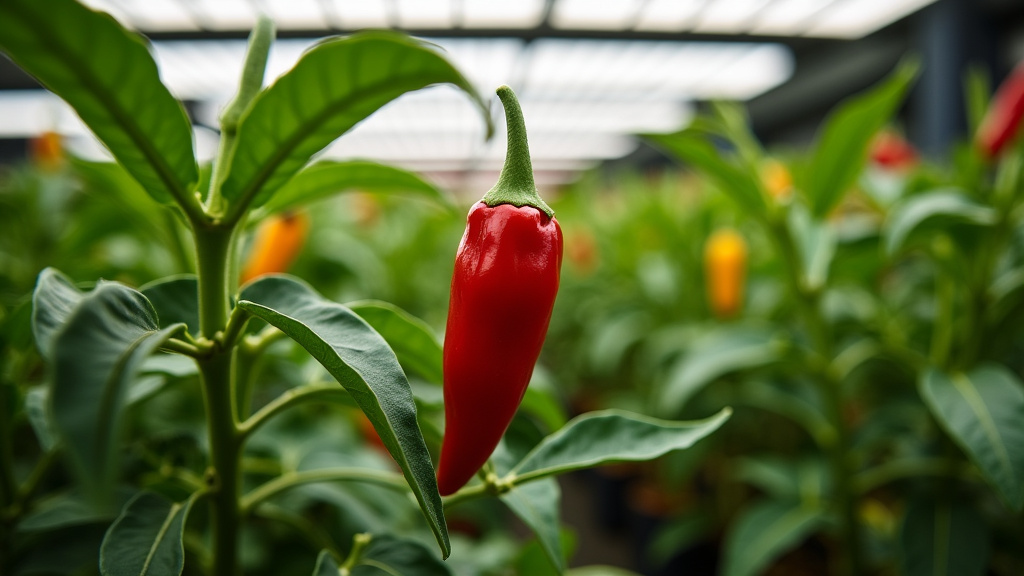
This is where the “under lights” part comes in. Natural sunlight can be unreliable indoors. Grow lights provide a consistent and powerful light source. Many growers find LED grow lights to be the most energy-efficient and effective option. They generate less heat than older types of lights, which is a plus. Many growers find LED grow lights to be the most efficient option, and our guide explains if you can use regular LED lights to grow plants.
Types of Grow Lights
You’ll see different types of grow lights available. Full-spectrum LEDs are excellent. They mimic natural sunlight, providing all the wavelengths plants need. Fluorescent lights, particularly T5s, can also work well for smaller setups. We’ve found that investing in a good quality LED light pays off in the long run with better yields.
Light Placement and Duration
Position your lights so they are about 6-12 inches above your plants. As your plants grow, you’ll need to adjust the height. Chili peppers need about 14-16 hours of light per day. A timer is a lifesaver here. It ensures your plants get consistent light without you having to remember to turn them on and off.
Containers and Soil: The Foundation for Growth
Your peppers need a good home to grow in. This starts with the right containers and soil mix. Drainage is super important. Soggy soil leads to root rot, which is a fast track to plant failure.
Choosing Your Pots
Pots should have drainage holes at the bottom. Fabric pots are a fantastic choice for indoor growing. They offer excellent aeration and prevent roots from becoming pot-bound. Terracotta pots also breathe well, but they can dry out soil faster. Start with pots that are at least 6-8 inches in diameter for young plants. As they grow, you might need to repot them into larger containers, perhaps 3-5 gallons for mature plants.
The Perfect Soil Mix
Don’t just grab any bag of dirt from your garden. You need a well-draining potting mix. A good quality potting soil, often amended with perlite or vermiculite, works well. These amendments help with drainage and aeration. You can also find specialized mixes for peppers or containers. We found that a mix designed for cacti and succulents offers excellent drainage for chili plants. A good quality potting soil, often amended with perlite or vermiculite, works well, and our guide on what is the best soil for indoor plants can help.
Nurturing Your Chili Plants: Watering and Feeding
Once your plants are settled, it’s time for consistent care. Watering and feeding are where you’ll spend most of your time. Pay attention to your plants; they’ll tell you what they need.
Watering Wisdom
Watering seems simple, but it’s where many new growers stumble. Overwatering is a common mistake. The goal is to keep the soil consistently moist, but not waterlogged. Stick your finger about an inch into the soil. If it feels dry, it’s time to water. If it feels moist, wait a bit longer.
How Much and How Often?
The frequency depends on the pot size, temperature, and humidity. Larger pots hold moisture longer. Hotter, drier conditions mean more frequent watering. When you do water, water thoroughly until you see some drain from the bottom. Discard any excess water that collects in the saucer. This prevents roots from sitting in water.
Feeding Your Hungry Peppers
Chili peppers are hungry plants, especially when they’re growing and producing fruit. They need nutrients to thrive. A balanced fertilizer is a good starting point.
Fertilizer Types and Schedules
Look for a fertilizer that has a good balance of nitrogen (N), phosphorus (P), and potassium (K). You might see numbers like 10-10-10. For flowering and fruiting, a fertilizer with a slightly higher middle number (phosphorus) can be beneficial. Start feeding about 3-4 weeks after planting your seedlings. Many experts recommend feeding every 2-4 weeks. Some growers use a liquid fertilizer diluted to half strength. This helps prevent nutrient burn. We found that organic fertilizers can provide a slower, more consistent release of nutrients.
Essential Care Practices for Thriving Plants
Beyond light, water, and food, a few other practices make a big difference. Good airflow and temperature control are vital for healthy chili peppers.
Airflow and Temperature
Chili peppers love warmth. They prefer temperatures between 70-80°F during the day. Nights can be slightly cooler, around 60-70°F. Consistent temperatures are good, but avoid drastic swings. Good airflow is also important. It helps prevent fungal diseases and strengthens the plant stems. A small fan can do wonders for circulation. Just make sure it’s not blowing directly on the plants constantly.
Pollination for Peppers
If you want your plants to produce fruit, you need to think about pollination. Outdoors, wind and insects do the job. Indoors, you’ll need to help things along. A small brush or cotton swab can be used to gently transfer pollen from one flower to another. You can also gently shake the plant or use your fan to mimic a breeze. We found that hand-pollinating each flower a few times a week leads to the best fruit set.
Here’s a quick checklist to keep your indoor chili garden on track:
- Monitor soil moisture before watering.
- Adjust grow lights as plants grow taller.
- Feed regularly with a balanced fertilizer.
- Ensure good air circulation with a small fan.
- Hand-pollinate flowers for fruit production.
- Watch for pests and address them promptly.
Conclusion
You’ve got this! Growing chili peppers indoors under lights is a rewarding journey. Remember to pick the right varieties, set up your grow lights and containers carefully, and stay consistent with watering and feeding. Good airflow and a little help with pollination will seal the deal. Get your supplies together and start your indoor pepper garden today. Soon, you’ll be enjoying your very own homegrown heat!
Frequently Asked Questions
How much light do chili peppers really need indoors?
Chili peppers thrive with 14-16 hours of light each day. Using a timer for your grow lights is the easiest way to ensure they get this consistent cycle. Keep the lights about 6-12 inches above your plants, adjusting as they grow taller.
What kind of pots are best for indoor chili peppers?
Pots with good drainage holes are essential to prevent root rot. Fabric pots are highly recommended because they offer excellent air circulation to the roots. For young plants, start with 6-8 inch pots, and be prepared to repot into larger containers as they mature.
How often should I water my indoor chili plants?
Water your chili plants when the top inch of soil feels dry. Avoid overwatering, as soggy soil is detrimental. The frequency will depend on your home’s humidity and temperature, so always check the soil moisture before watering.
When should I start fertilizing my indoor chili pepper plants?
Begin fertilizing about 3-4 weeks after transplanting seedlings into their pots. Use a balanced fertilizer, or one slightly higher in phosphorus for flowering and fruiting. Feed every 2-4 weeks, and consider using a diluted solution to prevent nutrient burn.
Do I need to pollinate my chili pepper flowers indoors?
Yes, indoor chili plants need manual pollination. Since there are no natural pollinators like wind or insects, you’ll need to help. Gently shake the plants or use a small brush or cotton swab to transfer pollen from the anther to the stigma of the flowers.
