
How to Grow Peace Lilies Indoors?

You can easily grow peace lilies indoors by providing them with the right conditions. These beautiful plants are known for their elegance and air-purifying qualities. With a little attention to light, water, and soil, your peace lily will thrive. They prefer indirect sunlight and consistently moist soil.
Many homeowners find peace lilies to be forgiving houseplants. They can even tell you when they need water by drooping slightly. This makes them a great choice for beginners. Understanding their simple needs is key to keeping them lush and healthy year-round.
- Peace lilies are easy to grow indoors.
- They need indirect light and moist soil.
- Drooping leaves signal a need for water.
- They help purify the air in your home.
Ready to bring this gorgeous plant into your home? Let’s walk through exactly how to grow and care for your peace lily step by step.
Nurturing Your Peace Lily: A Guide to Indoor Cultivation
Growing peace lilies indoors is a rewarding experience. These plants bring a touch of elegance to any space. They are also known for their ability to purify the air. You can easily achieve beautiful blooms with simple care. This guide will walk you through everything you need to know.
Understanding Your Peace Lily’s Needs
Peace lilies (Spathiphyllum) are native to tropical rainforests. This tells us a lot about their preferred environment. They thrive in warm, humid conditions. They also like dappled shade, like what they’d find under a dense forest canopy.
Light Requirements: The Sweet Spot
Peace lilies prefer indirect light. This means no direct sunbeams hitting their leaves. Direct sunlight can scorch their delicate foliage. Think of it like a nice, bright room, but not right next to a sunny window. A north-facing window is often ideal. East-facing windows can also work if the morning sun isn’t too intense. If you don’t have a lot of natural light, low-light conditions are also acceptable. Your plant might just flower less often.
Watering Wisdom: Keep Them Moist, Not Soggy
Watering is probably the most important aspect of peace lily care. These plants love consistently moist soil. They don’t like to dry out completely. However, they also hate having their roots sit in water. This can lead to root rot, which is a serious problem.
How often should you water? It really depends on your home environment. Factors like humidity, temperature, and pot size play a role. A good rule of thumb is to check the soil. Stick your finger about an inch into the soil. If it feels dry, it’s time to water. If it still feels moist, wait a bit longer.
You’ll notice your peace lily will tell you when it’s thirsty. Its leaves will start to droop dramatically. Don’t panic! This is a natural signal. Give it a good drink, and it should perk up within a few hours. Many plant enthusiasts find this drooping behavior quite helpful. It acts as a clear reminder.
When you water, try to water thoroughly. This means watering until you see water drain from the bottom of the pot. Discard any excess water that collects in the saucer. This prevents the roots from sitting in water. We found that using room-temperature water is best. Cold water can shock the plant’s roots.
Soil and Potting: A Foundation for Growth
Peace lilies do best in a well-draining potting mix. A general-purpose houseplant soil is usually fine. You can also create your own mix. Adding perlite or sand can improve drainage. This helps prevent waterlogged soil. Many experts recommend a mix that retains some moisture but still allows for good aeration.
When it comes to pots, choose one with drainage holes. This is non-negotiable! Terracotta pots can be a good choice. They allow the soil to breathe and dry out a bit more evenly. Plastic pots will retain moisture longer, so you’ll need to be more mindful of watering.
Repotting is usually needed every one to two years. You’ll know it’s time when the roots start to fill the pot. You might see roots growing out of the drainage holes. Or the plant might seem to be drying out much faster than usual. Choose a pot that is only 1-2 inches larger in diameter than the current one. This prevents overwatering by giving the plant too much soil to hold excess moisture.
Temperature and Humidity: Mimicking the Tropics
Peace lilies are tropical plants. They prefer temperatures between 65-80°F (18-27°C). They can tolerate slightly cooler temperatures, but avoid exposing them to drafts or sudden temperature changes. Frost is a definite no-go!
Humidity is also key. In their native habitat, it’s quite humid. Most homes, especially in winter with heating, can be quite dry. You can increase humidity around your peace lily in several ways. To mimic their tropical home, you can boost humidity around your peace lily in several ways.
- Misting: Lightly misting the leaves a few times a week can help. Use distilled or filtered water to avoid mineral buildup on the leaves.
- Pebble Tray: Place the pot on a tray filled with pebbles and water. As the water evaporates, it increases humidity around the plant. Make sure the bottom of the pot isn’t sitting directly in the water.
- Grouping Plants: Placing your peace lily near other plants can create a more humid microclimate.
- Humidifier: Using a room humidifier is a very effective way to boost humidity.
We found that these methods significantly help keep peace lilies happy, especially during drier months. They really do appreciate a bit of extra moisture in the air.
Feeding Your Peace Lily: A Little Goes a Long Way
Peace lilies aren’t heavy feeders. You don’t need to fertilize them constantly. During the growing season, which is typically spring and summer, you can feed them. Use a balanced liquid houseplant fertilizer diluted to half strength.
Fertilize about once a month. Over-fertilizing can actually harm your plant. It can lead to brown leaf tips and salt buildup in the soil. In the fall and winter, when growth slows down, you can reduce or stop fertilizing altogether. We found that a good rule of thumb is to fertilize when you see new leaves emerging.
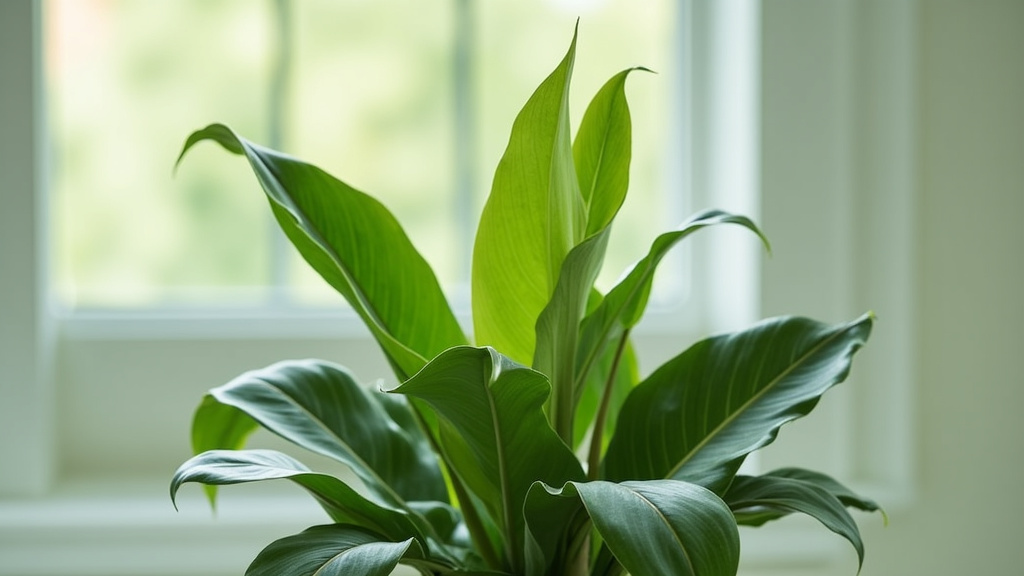
Pruning and Maintenance: Keeping it Tidy
Keeping your peace lily looking its best is simple. You’ll want to remove any yellowing or brown leaves. These are usually a sign of overwatering, underwatering, or natural aging. Simply snip them off at the base of the plant with clean, sharp scissors or pruning shears.
The iconic white “flowers” are actually spathes. They surround a central spadix. Once these start to fade and turn brown, you can trim them off too. Cut them back to the main stem. This encourages the plant to put its energy into producing new growth and blooms.
Dust can accumulate on the leaves, especially in homes. This can hinder photosynthesis. Gently wipe the leaves with a damp cloth every so often. This keeps them clean and healthy.
Troubleshooting Common Peace Lily Problems
Even with the best care, you might encounter a few issues. Here are some common problems and their solutions:
Yellow Leaves
Yellow leaves are a common sign that something is off. Often, it’s a matter of overwatering. Check the soil moisture. If it’s too wet, let it dry out more before watering again. Ensure the pot has good drainage. Sometimes, yellowing can also be due to underwatering. If the soil is bone dry, that’s the culprit. Natural aging of older leaves can also cause them to turn yellow. If only one or two older leaves are yellowing, it’s likely normal.
Brown Leaf Tips
Brown tips on the leaves are usually caused by dry air or inconsistent watering. As we discussed, peace lilies love humidity. If your home is dry, brown tips are common. Boosting humidity can help. Also, make sure you’re watering thoroughly and not letting the soil dry out too much between waterings. Using tap water with high mineral content or chlorine can sometimes contribute, too. We recommend using filtered or distilled water if you suspect this is an issue.
Drooping Leaves
As mentioned before, drooping is the peace lily’s way of asking for water. It’s a clear and direct signal. However, drooping can also indicate overwatering. If the soil is waterlogged, the roots can’t get enough oxygen. This stresses the plant, leading to wilting. Always check the soil moisture. If it’s wet, let it dry out. If it’s dry, give it a drink!
Pests
Peace lilies are generally resistant to pests. However, they can occasionally attract common houseplant pests like spider mites, mealybugs, or aphids. If you spot any pests, act quickly. You can often wipe them off with a damp cloth or cotton swab dipped in rubbing alcohol. For more persistent infestations, insecticidal soap is usually effective. Isolate the affected plant to prevent pests from spreading to others.
A Quick Care Checklist for Your Peace Lily
Here’s a handy checklist to keep your peace lily thriving:
- Provide bright, indirect light.
- Water when the top inch of soil feels dry.
- Ensure good drainage to prevent root rot.
- Maintain moderate room temperatures.
- Boost humidity, especially in dry environments.
- Fertilize lightly during the growing season.
Conclusion
You’ve learned that growing beautiful peace lilies indoors is well within your reach. By understanding their simple needs for bright, indirect light and consistently moist soil, you can ensure they thrive. Remember, their drooping leaves are a helpful signal, not a cause for alarm, just like the need for a good drink of room-temperature water. You have the knowledge to provide the right conditions, manage watering, and even troubleshoot common issues like yellowing leaves or brown tips. Now, take that knowledge and put it into practice by choosing your perfect peace lily today!
Frequently Asked Questions
Why are my peace lily leaves turning yellow?
Yellow leaves on your peace lily can signal a few things. Often, it means you’re overwatering, so check if the soil is too wet and ensure good drainage. It could also be underwatering if the soil is completely dry. Sometimes, older leaves naturally yellowing is just a sign of the plant’s life cycle.
How often should I fertilize my peace lily?
Peace lilies don’t need a lot of fertilizer. During the spring and summer growing season, feed them about once a month. Use a balanced liquid fertilizer diluted to half strength. You can reduce or stop fertilizing in the fall and winter when the plant’s growth slows down.
Can peace lilies survive in low light?
Yes, peace lilies can tolerate low-light conditions quite well. However, if they don’t receive enough bright, indirect light, they may not flower as often. They will still grow and contribute to air purification, but you might miss out on those beautiful white blooms.
What’s the best way to increase humidity for my peace lily?
To mimic their tropical home, you can boost humidity by misting the leaves lightly a few times a week with filtered water. Placing the pot on a pebble tray filled with water (making sure the pot isn’t submerged) or using a room humidifier are also very effective methods.
My peace lily’s leaves have brown tips. What causes this?
Brown leaf tips on your peace lily are typically a sign of dry air or inconsistent watering. Because they love humidity, a dry indoor environment can cause this. Ensure you’re watering thoroughly and consider increasing humidity through misting or a pebble tray. Using filtered or distilled water can also help if tap water minerals are the issue.
