
How to Grow Snake Plants in Low Light?
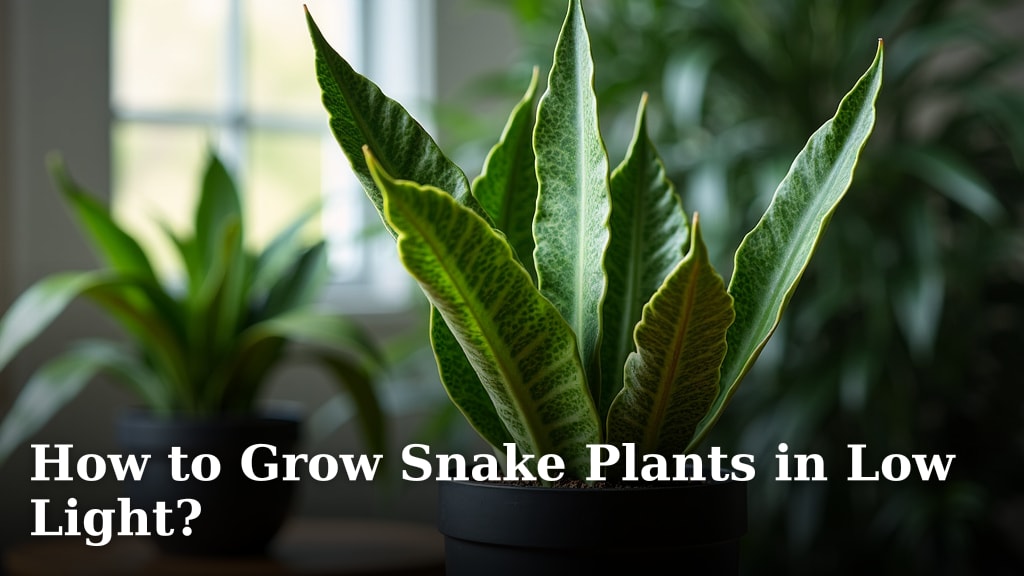
Yes, you can absolutely grow snake plants in low light conditions! These tough plants are famous for their ability to thrive where other houseplants might give up. They don’t need direct sun to survive, making them perfect for darker corners of your home.
Snake plants, also known as Sansevieria, are incredibly forgiving. They can tolerate a wide range of light levels, from bright indirect light to very dim spots. While they will grow faster with more light, low light is perfectly fine for their health. Many experts agree they are one of the best plants for beginners or busy people.
- Snake plants are low-light champions.
- They are very hard to kill.
- Bright light helps them grow faster.
- Even dim rooms are usually okay.
Ready to bring this leafy wonder into your dimmer spaces? Let’s go over the simple steps to help your snake plant thrive, even without much sun.
Thriving Snake Plants in Dim Corners: Your Low-Light Guide
You’re in luck! Snake plants are incredibly forgiving when it comes to light. They don’t demand a sunny windowsill. In fact, many experts find they do best with indirect light. Even a spot that rarely sees direct sun can be a happy home for your snake plant. This makes them a fantastic choice for darker rooms. Let’s figure out the best way to keep yours looking lush.
Understanding Snake Plant Light Needs
What Does “Low Light” Really Mean for Plants?
When we talk about “low light” for houseplants, it’s not usually about complete darkness. Your snake plant can handle rooms with minimal natural light. Think of areas far from windows. It can also do well in rooms with north-facing windows. These windows get less intense sunlight. The key is that the plant should be able to see some ambient light during the day. Too much darkness can still be an issue. Just make sure your plant isn’t in a closet or a windowless basement. A little bit of light makes a big difference!
The Difference Between Low Light and No Light
It’s important to distinguish between low light and no light. A snake plant can’t survive in total darkness. It still needs light to perform photosynthesis. Photosynthesis is how plants make their food. They use light, water, and carbon dioxide for this. In a very dark room, the plant might become stressed. It could start to lose its vigor. However, most rooms in your home, even ones without direct sun, have enough ambient light. You’ll likely find a spot that works perfectly.
How Light Affects Growth Rate
Your snake plant will grow more slowly in low light. This is perfectly normal and not a sign of distress. In brighter, indirect light, the plant will put on new leaves more quickly. It will also become more robust. But remember, slow growth is often better than no growth. Many studies show that Sansevieria varieties are remarkably adaptable to different light levels. The goal for low-light growing is maintenance and health, not rapid expansion.
Choosing the Perfect Spot for Your Low-Light Snake Plant
Identifying Suitable Locations in Your Home
Think about the rooms that don’t get a lot of sun. This could be a bathroom with no windows. Or perhaps a hallway that’s a bit dim. A corner of your living room away from the windows often works well. Even a bedroom with sheer curtains can provide enough diffused light. You want a spot where the plant receives some light throughout the day. Avoid placing it directly next to a window that gets harsh, direct afternoon sun. That can actually scorch the leaves!
The Importance of Indirect Light
Snake plants prefer indirect light. This means light that has been filtered or bounced off a surface. Direct sunlight is too intense for their leaves. It can cause brown spots and damage. In low-light situations, you don’t have to worry as much about direct sun. But if you happen to place it near a window that gets some sun, use a sheer curtain. This will soften the light. Many plant enthusiasts found that even a plant a few feet away from a sunny window is sufficient.
Caring for Your Snake Plant in Low Light Conditions
Watering: The Most Crucial Factor
This is where many people go wrong with snake plants, especially in low light. Less light means the plant uses less water. You need to water much less frequently than you would for a plant in bright light. Always check the soil before watering. Stick your finger about two inches into the soil. If it feels dry, it’s time to water. If it feels moist, wait longer. Overwatering is the fastest way to kill a snake plant. It can lead to root rot, which is very difficult to recover from. Many horticultural resources suggest watering only once a month or even less in low-light settings during cooler months.
How to Tell If You’re Overwatering
Symptoms of overwatering include yellowing leaves. The base of the plant might also feel soft or mushy. You might even notice a foul odor from the soil. If you see these signs, stop watering immediately. Let the soil dry out completely. You may need to repot the plant if the root rot is severe. We want to keep those roots happy and dry!
Soil and Drainage: Essential for Health
Use a well-draining potting mix. A cactus or succulent mix is ideal. You can also add perlite or sand to a regular potting mix. This helps water drain away quickly. Good drainage is vital in low light. It prevents water from sitting around the roots for too long. Make sure your pot has drainage holes. This is non-negotiable for a happy snake plant. Without them, water has nowhere to go. This leads to soggy soil and unhappy roots.
Temperature and Humidity Preferences
Snake plants are quite tolerant of typical indoor temperatures. They prefer warmth, ideally between 65-80°F (18-27°C). They can handle cooler temperatures, but avoid frost. They don’t need high humidity. Average household humidity is perfectly fine. You don’t need to mist your snake plant. In fact, high humidity combined with overwatering can create a perfect storm for fungal diseases. So, let it be!
Fertilizing: Less Is More
Snake plants are not heavy feeders. In low light, they need even less fertilizer. You can skip fertilizing altogether during the fall and winter. During the spring and summer growing season, you can fertilize once or twice. Use a balanced liquid houseplant fertilizer diluted to half strength. Too much fertilizer can burn the roots. Remember, your plant is growing slowly, so it doesn’t need many nutrients.
Common Issues and Solutions in Low Light
Yellowing Leaves: What It Means
Yellowing leaves are often a sign of overwatering. As we discussed, low light means less water usage. Check your watering schedule. Ensure the soil is drying out between waterings. Sometimes, yellowing can also be a sign of underwatering, but overwatering is far more common. It could also indicate a lack of nutrients, but this is less likely than water issues. Always start by adjusting your watering habits.
Brown Tips or Edges
Brown tips or edges on your snake plant can have a few causes. It could be due to inconsistent watering. Letting the soil dry out completely and then drowning it can cause stress. It might also be due to low humidity, though snake plants are fairly tolerant. Another cause can be mineral buildup from tap water. If this is the case, try using filtered or distilled water. We want to keep those leaves looking sharp!
Pests: What to Look For
While snake plants are generally pest-resistant, they can sometimes attract pests like spider mites or mealybugs. These tiny pests can suck the life out of your plant. You’ll usually see them as tiny webs or white cottony masses. If you spot any pests, act quickly. Wipe them off with a damp cloth or use a gentle insecticidal soap. Ensure the plant isn’t too stressed from improper care, as this can make it more susceptible.
When to Consider Repotting Your Snake Plant
Snake plants actually like being a bit root-bound. They don’t need frequent repotting. You might only need to repot every 2-5 years. Signs that it’s time include roots growing out of the drainage holes. The plant may also seem to be drying out very quickly. When you do repot, choose a pot that is only slightly larger than the current one. Remember to use that well-draining soil mix we talked about. A happy plant isn’t always a big plant!
Checklist for Low-Light Snake Plant Success
- Check the soil before watering.
- Water sparingly, especially in cooler months.
- Use a pot with good drainage holes.
- Provide well-draining potting mix.
- Fertilize rarely, if at all, during dormant periods.
- Keep an eye out for signs of overwatering.
Conclusion
You’ve learned that your snake plant is a champion for low-light spaces! Remember, its resilience means you don’t need bright sun to keep it healthy and looking great. The biggest key to success is mastering its watering needs. Always check the soil first and err on the side of less water. Pair that with well-draining soil and a suitable spot, and your snake plant will be a leafy companion for years to come. Now, go find that perfect dim corner and enjoy your thriving plant!
Frequently Asked Questions
Will my snake plant die if it doesn’t get much sun?
No, your snake plant is very unlikely to die in low light. It will grow slower, but it can still thrive with just ambient light. Avoid complete darkness, but most rooms have enough light for this tough plant.
How often should I water a snake plant in a dim room?
You’ll need to water much less frequently in low light. Many snake plants only need watering once a month, or even less during winter. Always check if the soil is dry about two inches down before you water.
Can I put my snake plant right next to a north-facing window?
Yes, a north-facing window is often a great spot for a snake plant. These windows provide gentle, indirect light that the plant prefers. Just ensure it doesn’t get any harsh, direct sun, especially during peak hours.
What should I do if my snake plant’s leaves are turning yellow?
Yellowing leaves are usually a sign of overwatering, especially in low light. Reduce your watering frequency and make sure the soil has good drainage. Allow the soil to dry out completely between waterings.
Do I need special soil for a low-light snake plant?
A well-draining potting mix is essential for snake plants, particularly in low light. Using a cactus or succulent mix, or adding perlite to a standard potting soil, will help prevent waterlogged roots.
