
How to Grow Aloe Vera Indoors?
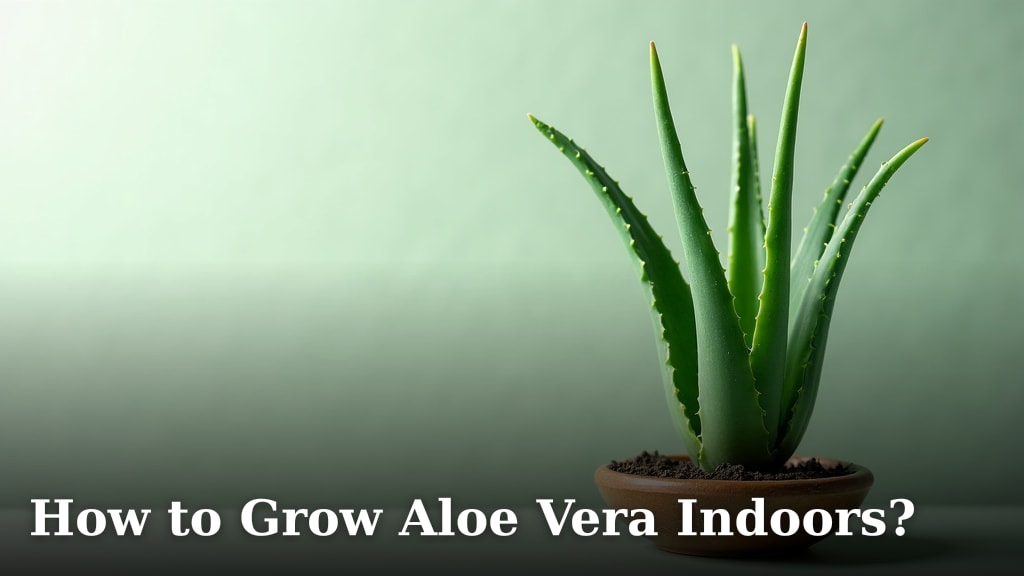
Yes, you can absolutely grow aloe vera indoors, and it’s surprisingly easy! With just a little bit of sunlight and the right soil, your aloe plant can thrive. This hardy succulent is known for its low maintenance needs, making it a perfect addition to any home.
Many people love growing aloe vera for its gel, which is great for soothing sunburns. It’s a plant that’s both beautiful and useful. Growing it yourself means you’ll always have its healing properties on hand. Plus, it adds a touch of green to your space.
- Choose the right pot and soil.
- Give it plenty of sunlight.
- Water sparingly – less is more!
- Protect it from cold temperatures.
Ready to get your hands dirty (but not too dirty)? Let’s walk through exactly how to grow a happy and healthy aloe vera plant right in your home.
Bringing the Desert Bloom Indoors: Your Aloe Vera Guide
Growing your own aloe vera plant inside is a fantastic way to bring a bit of natural beauty and medicinal magic into your home. You don’t need a green thumb for this one; aloe vera is famously forgiving and low-maintenance. It’s a succulent, after all, built to survive tough conditions. This means with just a little attention, you’ll have a thriving plant that looks great and is ready to help with minor cuts and burns.
Picking the Perfect Pot and Soil for Your Aloe
The pot and soil you choose are the foundation for your aloe’s success. Think of it like choosing the right bed for a sleepy traveler. Aloe vera plants need well-draining soil. This is super important because they hate having their roots sit in water. Soggy roots can lead to root rot, which is the most common killer of these desert dwellers.
Potting Power: Drainage is Key
When selecting a pot, look for one with drainage holes at the bottom. Terracotta pots are often a great choice. They’re porous, meaning they allow air and moisture to pass through, which helps the soil dry out more evenly. This is a big win for succulents! Avoid pots that are too large; a pot that’s only slightly bigger than the plant’s root ball is ideal. A pot that’s too big will hold too much moisture, increasing the risk of overwatering.
Soil Secrets: Gritty Goodness
For soil, you want something gritty. A standard potting mix can be too heavy for aloe vera. Many experts recommend a For soil, you want something gritty, like a cactus or succulent mix.cactus or succulent mix. You can also make your own by combining regular potting soil with perlite or coarse sand. A good ratio to aim for is about two parts potting soil to one part perlite or sand. This mix will ensure excess water drains away quickly, keeping those roots happy and healthy. We found that a sandy, gritty mix is best for preventing waterlogged soil (NCBI).
Sunshine and Your Aloe Plant
Aloe vera plants absolutely love sunlight. They are desert plants, after all, and thrive in bright, indirect light. Think of the kind of light you get near a sunny window, but not directly in the harsh midday sun. Too much direct, scorching sun can actually burn the leaves, turning them a reddish-brown color.
Finding the Sweet Spot: Light Levels
The best spot for your aloe vera is usually an east-facing window. This spot provides gentle morning sun. A south-facing window can also work, but you might need to place the plant a few feet back or use a sheer curtain to filter the intense afternoon sun. If your aloe isn’t getting enough light, you might notice it becoming leggy or weak, stretching towards any available light source.
Signs of Too Much or Too Little Sun
It’s important to observe your plant. If the leaves are turning a brownish or reddish hue, it’s likely getting too much direct sun. If the leaves are pale green and looking weak or stretched out, it’s probably not getting enough light. Adjust its position accordingly. Finding that perfect balance will keep your aloe looking vibrant and green.
Watering Wisely: Less is Definitely More
This is where many people go wrong with their aloe plants. They love water, but only when they need it. Overwatering is the biggest threat to indoor aloe vera plants. These plants store water in their leaves, which is why they can tolerate dry conditions.
The “Soak and Dry” Method
The best watering method is often called the “soak and dry” method. This means you water the soil thoroughly until water runs out of the drainage holes. Then, you let the soil dry out completely before watering again. How often you do this depends on your environment. It could be every 2-4 weeks in warmer months and even less in winter. Always check the soil moisture with your finger before watering. If the top inch or two of soil feels dry, it’s time to water. If it’s still moist, wait.
Seasonal Watering Adjustments
Your aloe’s watering needs will change with the seasons. During the spring and summer, when the plant is actively growing, you’ll water it more frequently. In the fall and winter, growth slows down, and the plant needs much less water. Sometimes, watering only once a month during the winter is sufficient. Skipping a watering is always better than overwatering. Many sources emphasize the importance of letting the soil dry out between waterings (Cleveland Clinic).
Temperature and Humidity: What Aloe Likes
Aloe vera plants are pretty adaptable when it comes to temperature. They prefer average room temperatures, generally between 55°F and 80°F. They don’t do well with sudden cold drafts or frost. So, avoid placing them near leaky windows, drafty doors, or in unheated rooms during the colder months.
Avoiding the Chill: Cold Weather Care
If you live in a cooler climate, be extra mindful of your aloe’s location. Bringing your plant indoors for the winter is essential if it spent time outside during the warmer months. Extreme cold can severely damage or kill the plant. It’s wise to keep it away from heating vents too, as the dry, hot air can also stress the plant.
Humidity Isn’t a Big Deal
Unlike some tropical plants, aloe vera doesn’t need high humidity. The dry air in most homes is perfectly fine for them. You don’t need to mist your aloe or place it on a pebble tray with water. They are perfectly content with the ambient humidity levels.
Feeding Your Aloe: A Light Touch
Aloe vera plants are not heavy feeders. In fact, they can thrive for years without any fertilizer. If you do decide to fertilize, do so sparingly.
Fertilizer Frequency and Type
During the growing season (spring and summer), you can feed your aloe vera with a balanced liquid fertilizer diluted to half strength. Only fertilize about once a month. Over-fertilizing can lead to fertilizer burn and harm your plant. Use a fertilizer specifically formulated for cacti and succulents if possible. We found that fertilizing too much can cause unhealthy growth (Missouri Botanical Garden).
When to Hold Back on Fertilizer
Never fertilize an aloe plant when it is dormant, which is typically in the fall and winter. Also, avoid fertilizing a recently repotted plant. Wait at least a month after repotting before considering fertilizer. The plant needs time to adjust to its new environment.
Keeping Your Aloe Healthy: Troubleshooting Common Issues
Even with the best care, you might encounter a few common issues. But don’t worry, they’re usually easy to fix!
Recognizing and Responding to Problems
Yellow or Brown Leaves
If your aloe’s leaves are turning yellow or brown, it’s often a sign of overwatering or too much direct sunlight. Check the soil moisture. If it’s consistently wet, reduce your watering schedule. If the leaves are also crispy and dry, it might be underwatering or sunburn. Adjust its location to find that happy medium.
Mushy Base or Stems
This is a classic sign of root rot, usually caused by overwatering and poor drainage. If you notice the base of the plant becoming soft and mushy, act fast. You may need to unpot the plant, trim away any rotted roots, and repot it in fresh, dry, well-draining soil. Allow the soil to dry out completely before watering again.
Pests: Small Invaders
Aloe vera plants can occasionally be affected by common houseplant pests like mealybugs or spider mites. These often look like small white, cottony masses or tiny webs. You can usually treat them by wiping the leaves with a damp cloth or using a mild insecticidal soap. Isolate the affected plant to prevent pests from spreading.
Your Aloe Care Checklist
- Choose a pot with drainage holes.
- Use cactus or succulent soil mix.
- Place in bright, indirect sunlight.
- Water only when the soil is dry.
- Avoid cold drafts and frost.
- Fertilize sparingly, only in spring/summer.
Conclusion
You’ve got this! Growing aloe vera indoors is totally achievable. Remember, your plant thrives on bright, indirect light, well-draining soil, and a cautious watering schedule. Think of it as giving your aloe a comfortable, dry spot in the sun and only offering water when it’s truly thirsty. By avoiding soggy roots and chilly drafts, you’re setting your aloe up for success. Now, go find the perfect sunny windowsill and get your aloe companion settled in!
Frequently Asked Questions
How often should I water my indoor aloe vera plant?
Water your aloe vera only when the top 1-2 inches of soil are completely dry. This can be as infrequent as every 2-4 weeks, depending on light and temperature. Overwatering is the most common mistake, so it’s always better to err on the side of caution and let it dry out thoroughly between waterings.
Can aloe vera grow in low light conditions?
While aloe vera can tolerate some lower light, it truly thrives in bright, indirect sunlight. If your space doesn’t get enough light, your plant might become leggy and weak. We found that consistent, bright light is key for a healthy, compact plant.
Why are my aloe vera leaves turning yellow and mushy?
Yellow, mushy leaves are almost always a sign of overwatering. Your aloe’s roots are likely sitting in too much moisture, leading to rot. Make sure your pot has drainage holes and that you’re letting the soil dry out completely between waterings.
What’s the best type of soil for growing aloe vera indoors?
Aloe vera needs well-draining soil to prevent root rot. A cactus or succulent potting mix is ideal. You can also create your own by mixing regular potting soil with perlite or coarse sand at a ratio of about 2:1.
Can I grow aloe vera from a leaf cutting?
While you can technically grow aloe vera from pups (offsets) that grow from the base of the main plant, growing from a single leaf cutting is not typically successful. Aloe vera plants are best propagated by separating the small baby plants that emerge from the mother plant’s roots.
