
How to Grow a Windowsill Vegetable Garden?
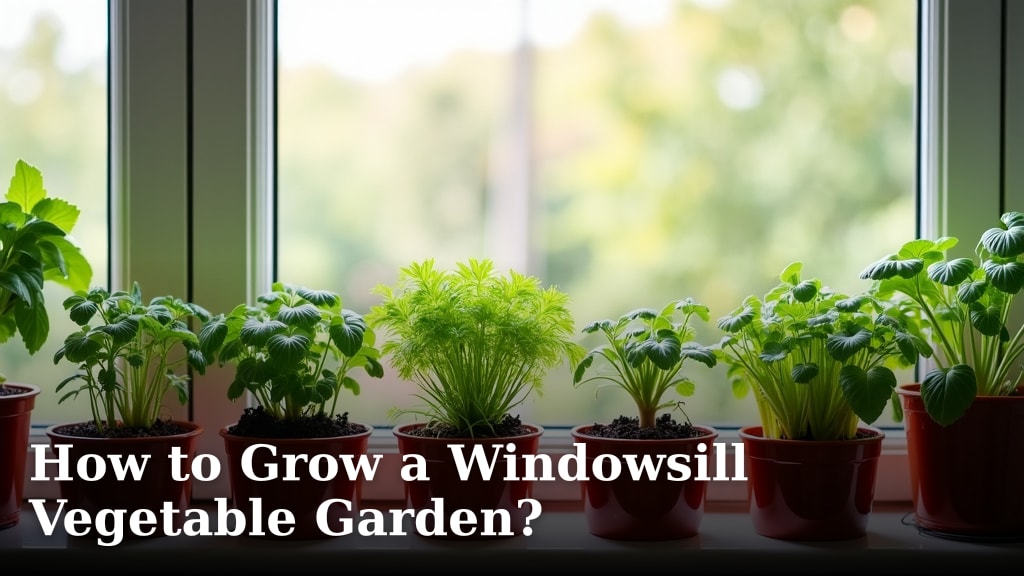
Yes, you can absolutely grow a thriving vegetable garden right on your windowsill! It’s a fantastic way to get fresh produce, even if you don’t have a yard. With a little know-how, you can turn any sunny window into a productive mini-farm. Many people think it’s too difficult, but it’s quite achievable.
This method is perfect for apartment dwellers or anyone looking for a convenient way to access fresh herbs and veggies. You’ll be amazed at how much you can harvest from such a small space. Growing indoors means you can enjoy fresh flavors year-round, regardless of the weather outside. It’s a wonderfully rewarding hobby that adds flavor to your meals.
- Choose the right plants for small spaces.
- Make sure your containers have good drainage.
- Give your plants plenty of sunlight.
- Water them consistently but don’t overdo it.
- Consider adding some fertilizer for better growth.
Ready to get your hands dirty and start growing? Below, we’ll walk you through everything you need to know to set up your own successful windowsill vegetable garden, step by step.
Getting Your Windowsill Garden Started
So, you’re ready to bring a little green goodness to your kitchen counter or sunny sill? Wonderful! Growing vegetables indoors on a windowsill is more accessible than you might think. It’s a charming way to add freshness to your cooking and a touch of nature to your home.
Let’s break down exactly what you need to do. We’ll cover selecting the right plants, choosing the best containers, and ensuring your tiny garden thrives. You’ll be harvesting your own produce before you know it. It’s all about giving your plants what they need to be happy and productive.
Choosing the Right Plants for Your Windowsill
Not all vegetables are created equal when it comes to indoor growing. You want plants that are compact, don’t require vast amounts of space, and can tolerate the conditions of a windowsill. Think about what you love to eat! Fresh herbs are a fantastic starting point for beginners. Many leafy greens also do remarkably well.
Top Picks for Windowsill Veggies and Herbs
When selecting what to grow, consider plants that naturally stay small or can be pruned easily. This ensures they won’t quickly outgrow their space. Here are some proven winners that do great on a sunny sill:
- Herbs: Basil, mint, chives, parsley, oregano, thyme, cilantro, and rosemary. These are generally very forgiving and provide continuous harvests.
- Leafy Greens: Lettuce (especially loose-leaf varieties), spinach, arugula, kale, and Swiss chard. These grow quickly and can be harvested as ‘cut-and-come-again’ to keep them producing.
- Small Root Vegetables: Radishes and baby carrots can work if you choose deep enough containers.
- Fruiting Plants: Smaller varieties of tomatoes (like ‘Tiny Tim’ or ‘Red Robin’) and chili peppers can be successful with adequate light and care.
- Edible Flowers: Nasturtiums and pansies add color and a peppery bite to salads.
Many experts suggest starting with herbs or leafy greens because they are less demanding and offer quicker results. This can be very encouraging when you’re just beginning your indoor gardening journey.
Containers and Soil: The Foundation of Your Garden
The right containers and soil are just as important as the plants themselves. They provide the structure, nutrients, and drainage your plants need to grow strong roots.
Selecting the Perfect Pots
When choosing containers for your windowsill garden, think about size and, most importantly, drainage. Your plants will suffer if their roots sit in soggy soil.
- Drainage Holes are a Must: This cannot be stressed enough! Ensure every pot has holes at the bottom. If you fall in love with a pot that doesn’t have them, you can drill some yourself.
- Size Matters: For herbs and small greens, pots that are 4-6 inches deep and wide are usually sufficient. For small tomatoes or peppers, you’ll need larger pots, at least 6-8 inches deep.
- Material: Terracotta pots breathe well but dry out faster. Plastic pots retain moisture longer. Choose what fits your watering style and environment best.
- Saucers or Trays: Use these to catch any excess water and protect your windowsill from moisture damage.
You can even repurpose items like old yogurt containers or coffee cans, as long as you add drainage holes. Just make sure they are clean and food-safe.
Choosing the Right Potting Mix
Don’t use garden soil from outside. It’s too dense and may contain pests or diseases. You need a good quality potting mix designed for containers.
A good potting mix will be light, airy, and drain well. It typically contains ingredients like peat moss, coco coir, perlite, and vermiculite. These create the perfect environment for root growth.
Many gardeners also find it beneficial to add a bit of compost to their potting mix. This adds extra nutrients without making the soil too heavy. You can find potting mixes at any garden center or even many grocery stores.
Sunlight: Your Windowsill Garden’s Best Friend
Sunlight is the energy source for your plants. Without enough of it, they simply won’t grow, flower, or produce vegetables. This is often the biggest limiting factor for indoor gardens.
Understanding Your Light Needs
Most vegetables and herbs need at least 6-8 hours of direct sunlight per day to thrive. This means a south-facing window is usually your best bet in the Northern Hemisphere.
- South-Facing Windows: These offer the most intense and longest duration of sunlight. They are ideal for fruiting plants like tomatoes and peppers, and most herbs.
- East-Facing Windows: These get bright morning sun, which is excellent for leafy greens and many herbs.
- West-Facing Windows: These receive strong afternoon sun, which can be very hot. It’s good for plants that like heat, but you might need to monitor watering closely.
- North-Facing Windows: These provide the least amount of light and are generally not suitable for most vegetables, though some shade-tolerant greens might manage.
Boosting Light with Grow Lights
If your windows don’t get enough natural light, or if you want to grow year-round regardless of the season, consider supplemental lighting. This is where grow lights come in. They are specifically designed to provide the spectrum of light plants need. If your windows don’t get enough natural light, consider supplemental lighting, as detailed in our guide to the best grow lights for vegetables.
You don’t need a fancy, expensive setup to start. Simple LED grow lights can be clipped onto shelves or lamps and positioned directly over your plants. Many experts recommend full-spectrum LED lights as they mimic natural sunlight effectively.
Positioning your grow light is key. It should be close enough to be effective, usually about 6-12 inches above your plants, but not so close that it burns them. You can adjust it as your plants grow taller.
A timer can be very helpful for grow lights. Most plants need about 12-16 hours of light per day, followed by a period of darkness. A timer ensures consistency, which is good for plant health.
Watering and Feeding Your Indoor Veggies
Getting the watering right is a delicate balance. Too much water can lead to root rot, while too little will stress your plants and stunt their growth. Feeding them properly ensures they have the nutrients they need to produce.
The Art of Watering
The best way to know if your plants need water is to feel the soil. Stick your finger about an inch deep into the potting mix. If it feels dry, it’s time to water. If it feels moist, wait a bit longer.
When you do water, water thoroughly. Pour water into the pot until it starts to drain from the bottom. Discard any excess water that collects in the saucer after about 30 minutes. This prevents the roots from sitting in water.
Plants in smaller pots, or those receiving more sun or heat, will need watering more frequently. You’ll get a feel for your plants’ needs over time. Observe them – wilting can be a sign of thirst, but also overwatering, so checking the soil is always best.
Feeding for Growth and Flavor
Potting mix contains nutrients, but they get used up over time. To keep your plants healthy and productive, you’ll need to fertilize them periodically. This is especially important for plants that produce fruit, like tomatoes and peppers.
Choose a balanced liquid fertilizer, or one formulated for vegetables. Look for an N-P-K (Nitrogen-Phosphorus-Potassium) ratio that is suitable for the type of plant you are growing. For leafy greens, a higher nitrogen fertilizer can encourage more leaf growth.
Follow the instructions on the fertilizer packaging carefully. It’s often recommended to dilute liquid fertilizers to half strength for indoor plants. Over-fertilizing can harm your plants, so it’s better to err on the side of caution. Many people fertilize their windowsill gardens about once every 2-4 weeks during the growing season.
You might also consider using a slow-release granular fertilizer mixed into the soil at planting time. This provides a steady supply of nutrients over a longer period. Some growers also experiment with organic options like worm castings or compost tea for a natural boost.
Keeping Pests at Bay and Harvesting Your Bounty
Even indoors, pests can sometimes find their way into your garden. Early detection and simple remedies are usually all it takes. And, of course, the most exciting part is harvesting what you’ve grown!
Dealing with Common Indoor Pests
The most common pests you’ll encounter are aphids, spider mites, and fungus gnats. They can often be managed with simple, non-toxic methods.
Aphids: These tiny green, black, or brown insects cluster on new growth. You can often wash them off with a strong spray of water. If that doesn’t work, a solution of mild soap and water sprayed onto the affected areas can be effective. Many gardening resources suggest this simple spray (NCBI).
Spider Mites: These are tiny arachnids that cause stippling on leaves and fine webbing. They thrive in dry conditions. Increasing humidity and spraying with soapy water can help control them.
Fungus Gnats: These tiny, dark flies are attracted to moist soil. They are harmless to plants but can be annoying. Allowing the top layer of soil to dry out between waterings is the best prevention. Sticky traps can also catch adult gnats.
Regularly inspect your plants, especially the undersides of leaves, for any signs of pests. Early intervention makes a huge difference.
Harvesting Your Fresh Produce
Harvesting is the reward for all your hard work! The timing and method will depend on the plant.
- Herbs: Snip leaves and stems as needed, usually starting from the top or sides. Regular harvesting encourages bushier growth.
- Leafy Greens: For loose-leaf varieties, harvest the outer leaves first. This allows the inner leaves to continue growing, providing a continuous supply.
- Fruiting Plants: Harvest tomatoes and peppers when they reach their mature size and color. Don’t let them stay on the plant too long after ripening.
Enjoy the fruits (and vegetables!) of your labor. Freshly picked produce from your own windowsill garden just tastes better. It’s a simple pleasure that brings immense satisfaction.
Quick Checklist for Your Windowsill Garden Success
Ready to plant? Here’s a quick rundown of what to check:
- Chosen plants suited for small spaces and indoor light.
- Containers have adequate drainage holes.
- Using a quality, well-draining potting mix.
- Your chosen windowsill gets at least 6 hours of light daily.
- Watering schedule based on soil moisture, not a clock.
- Fertilizing as needed, following product instructions.
Conclusion
You’ve learned that growing a vegetable garden on your windowsill is totally achievable and incredibly rewarding. We’ve covered everything from selecting the perfect compact plants and containers to ensuring they get enough light and water. Remember, consistency and observation are your greatest tools.
Don’t be afraid to start small! Even a few pots of herbs can bring immense satisfaction and fresh flavor to your meals. Your next step is to gather your supplies, pick your first few plants, and set up your sunny spot. Get ready to enjoy your very own harvest, right at home!
Frequently Asked Questions
What are the easiest vegetables to grow on a windowsill?
Herbs like basil, mint, and chives are excellent choices for beginners. Leafy greens such as lettuce, spinach, and arugula are also very forgiving. These plants typically require less light and space than fruiting vegetables.
How much sunlight does a windowsill garden actually need?
Most vegetables and herbs require at least 6 to 8 hours of direct sunlight daily. South-facing windows offer the most light, making them ideal. If your windows don’t get enough sun, consider using grow lights.
Can I use regular potting soil from my garden for windowsill plants?
No, you should not use soil from your garden. Outdoor soil is too dense for containers and may contain pests or diseases. Always use a high-quality, well-draining potting mix specifically designed for containers.
How often should I water my windowsill vegetables?
The best way to determine if your plants need water is to check the soil moisture. Stick your finger about an inch deep; if it feels dry, it’s time to water. Avoid overwatering, as this can lead to root rot.
Will I need to fertilize my windowsill garden?
Yes, you will likely need to fertilize your plants. Potting mix nutrients deplete over time. Use a balanced liquid fertilizer diluted according to package directions, or a slow-release granular fertilizer, about once every 2-4 weeks during the growing season.
