
How to Grow Cilantro Indoors Year Round?
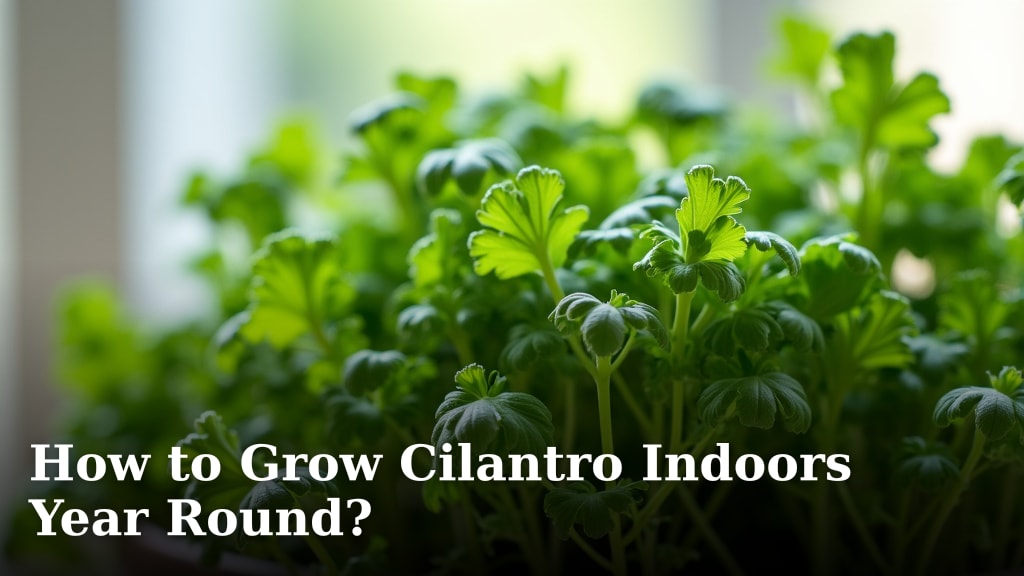
Yes, you can absolutely grow delicious cilantro indoors all year long! With the right setup, you can enjoy fresh cilantro for your favorite recipes regardless of the season. Key to success are a bright location, consistent watering, and choosing the right type of cilantro. Don’t let winter or a small garden stop your herb game. If you enjoy growing cilantro indoors, you might also be interested in how to grow herbs indoors year-round.
Growing cilantro inside means saying goodbye to bolting issues common in hot weather. You’ll have more control over its environment. This allows for a more reliable harvest of those vibrant, zesty leaves you love. Think about all the guacamole and salsa you can make!
- Provide plenty of light, especially in winter.
- Keep the soil consistently moist but not waterlogged.
- Choose varieties known to grow well indoors.
- Harvest regularly to encourage more growth.
Ready to bring that fresh cilantro flavor into your kitchen year-round? Let’s walk through exactly how to make your indoor cilantro garden thrive, step by step. If you’re enjoying your indoor cilantro garden, you might also want to explore what vegetables can you grow indoors year-round.
Your Guide to Growing Cilantro Indoors Year-Round
Yes, you can absolutely grow delicious cilantro indoors all year long! With the right setup, you can enjoy fresh cilantro for your favorite recipes regardless of the season. Key to success are a bright location, consistent watering, and choosing the right type of cilantro. Don’t let winter or a small garden stop your herb game.
Growing cilantro inside means saying goodbye to bolting issues common in hot weather. You’ll have more control over its environment. This allows for a more reliable harvest of those vibrant, zesty leaves you love. Think about all the guacamole and salsa you can make!
- Provide plenty of light, especially in winter.
- Keep the soil consistently moist but not waterlogged.
- Choose varieties known to grow well indoors.
- Harvest regularly to encourage more growth.
Ready to bring that fresh cilantro flavor into your kitchen year-round? Let’s walk through exactly how to make your indoor cilantro garden thrive, step by step.
Setting Up Your Indoor Cilantro Haven
To grow cilantro indoors successfully, you need to give it the right conditions. Think of it like setting up a tiny, cozy apartment for your herb. It needs the right amount of light, the perfect temperature, and some good soil.
Choosing the Right Pot and Soil
When selecting a pot, size matters. Cilantro has a long taproot, so it prefers pots that are at least 6 inches deep. This gives its roots room to grow. A pot with drainage holes is non-negotiable. Soggy soil is the enemy of cilantro!
For soil, a good quality potting mix is your best bet. You want something that drains well. Many experts recommend a mix that contains perlite or vermiculite. These help keep the soil light and airy. Avoid using heavy garden soil, which can become compacted and waterlogged indoors (University of California Agriculture and Natural Resources).
Finding the Perfect Spot: Light is Key
Cilantro loves light. Aim for at least 6 to 8 hours of direct sunlight each day. A south-facing window is often ideal in the Northern Hemisphere. If you don’t have a sunny spot, don’t worry!
Grow lights are a fantastic solution. They can supplement natural light, especially during shorter winter days. Many studies show that supplemental lighting can significantly improve herb growth indoors (American Society for Horticultural Science). Full-spectrum LED grow lights are energy-efficient and provide the light spectrum plants need to thrive.
Understanding Light Needs
Think of light as food for your cilantro. Without enough, it will get leggy and weak. If your plant is stretching towards the window, it’s asking for more light. Insufficient light can also make your cilantro bolt (go to seed) prematurely, even indoors.
Temperature and Air Circulation
Cilantro prefers cooler temperatures. Ideal daytime temperatures are between 65-75°F (18-24°C). It can tolerate slightly cooler nights. Avoid placing your cilantro near heat vents or drafty windows.
Good air circulation is also important. It helps prevent fungal diseases. A small fan can be helpful if your growing area is a bit stagnant. Just make sure it’s not blowing directly on the plants all the time; a gentle breeze is best.
Planting Your Cilantro Seeds Indoors
Starting cilantro from seed is easy and rewarding. You’ll have the freshest possible harvest this way. It’s like magic happening right in your kitchen!
When to Plant and How Many Seeds
You can plant cilantro seeds indoors any time of year. For a continuous harvest, try sowing new seeds every 3-4 weeks. This stagger-planting ensures you always have some mature plants ready to pick.
When sowing, plant seeds about 1/4 inch deep. You can plant them directly into your pot. It’s often recommended to plant 3-4 seeds per pot. Once they sprout, you can thin them out to the strongest seedling. This prevents overcrowding and ensures each plant has enough resources.
Germination and Early Growth Stages
Cilantro seeds can be a little slow to germinate. They might take anywhere from 7 to 21 days to sprout. Keep the soil consistently moist during this time. Covering the pot with plastic wrap or a humidity dome can help retain moisture and warmth.
Once seedlings emerge, remove the cover and ensure they get plenty of light. If you thinned your seedlings, you’ll now have a single, strong plant per pot. It’s exciting to see them grow!
Caring for Your Indoor Cilantro Plants
Consistent care is the secret sauce to a thriving indoor cilantro garden. You’re nurturing these little plants, and they’ll reward you with amazing flavor.
Watering Wisely: The Golden Rule
The most common mistake is overwatering or underwatering. Cilantro likes consistently moist soil, but not soggy. Stick your finger about an inch into the soil. If it feels dry, it’s time to water. If it feels moist, wait a bit longer.
Water thoroughly until you see water coming out of the drainage holes. Discard any excess water that collects in the saucer. This prevents root rot, a common problem for indoor plants (Clemson Cooperative Extension).
Fertilizing Your Herb Garden
Indoor plants need a little extra help with nutrients. Cilantro isn’t a heavy feeder, but a light feeding can help. Use a balanced liquid fertilizer diluted to half strength. Feed your plants about once a month.
Over-fertilizing can actually harm your plants. It can lead to leggy growth and reduce flavor. Always follow the instructions on the fertilizer packaging. Less is often more with herbs like cilantro.
Dealing with Pests and Diseases
Indoor plants are generally less prone to pests than outdoor ones. However, issues can still arise. Keep an eye out for common houseplant pests like aphids or spider mites. Small infestations can often be wiped away with a damp cloth or a gentle spray of water.
If an infestation is more serious, insecticidal soap or neem oil can be effective. Make sure to use products safe for edible plants. Good air circulation and proper watering are your best defenses against most problems.
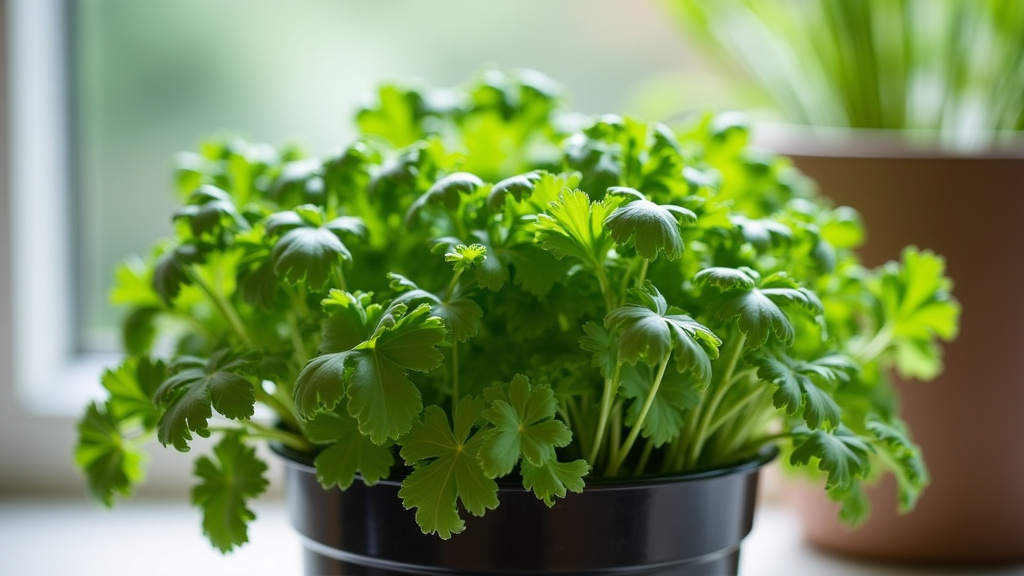
Harvesting Your Bountiful Cilantro
Harvesting your cilantro is the best part! It’s how you get to enjoy all your hard work. And the more you cut, the more it grows back.
When and How to Harvest
You can start harvesting when your plants are about 6 inches tall. For the best flavor, harvest in the morning after the dew has dried, if you were growing outdoors. Indoors, just harvest when you need it!
When you harvest, don’t take too much at once. Aim to take about one-third of the plant. Cut the outer leaves first, or snip whole stems. This encourages the plant to produce new growth from the center. Continuous harvesting actually delays the plant from going to seed.
Encouraging Regrowth and Longevity
Regular harvesting is the key to prolonging your cilantro’s life indoors. By snipping off leaves and stems, you tell the plant, “Keep growing!” If you let the plant get too mature without harvesting, it will focus its energy on flowering and producing seeds, and the leaves will become less tender and flavorful.
If you see flower stalks starting to form, you can pinch them off. This helps the plant put its energy back into leaf production. You can even let a few plants go to seed if you want to collect your own cilantro seeds for future planting!
Troubleshooting Common Indoor Cilantro Issues
Even with the best intentions, sometimes things don’t go perfectly. Don’t get discouraged! Most common issues have simple fixes.
Bolting: Why Your Cilantro is Going to Seed Too Soon
Bolting is when cilantro quickly sends up a flower stalk. The leaves then become bitter and less desirable. This usually happens due to heat stress or inconsistent watering.
Indoors, the most common cause is too much heat or not enough light. Ensure your plants are in a cool spot and receiving adequate light. Regular harvesting also helps prevent bolting. If you notice flower stalks, pinch them off immediately to encourage more leaf growth.
Yellowing Leaves: What’s the Cause?
Yellowing leaves can signal a few different problems. The most common is overwatering. Check your soil moisture. If it’s constantly wet, you might be drowning your roots. Ensure good drainage.
Underwatering can also cause yellowing, especially if the leaves start to look wilted and dry. Nutrient deficiency is another possibility. If your soil is old, or you haven’t fertilized in a while, a light feeding might help. Make sure your plant is getting enough light, too, as this can also contribute to pale leaves.
Your Cilantro Success Checklist
Here’s a quick rundown to ensure your indoor cilantro thrives:
- Light: Ensure 6-8 hours of bright light daily, using grow lights if needed.
- Water: Keep soil consistently moist but not waterlogged.
- Potting: Use a pot at least 6 inches deep with good drainage.
- Soil: Opt for a well-draining potting mix.
- Harvesting: Cut regularly, taking about one-third of the plant at a time.
- Temperature: Keep plants in a cool spot, ideally 65-75°F.
Conclusion
You’ve now got everything you need to enjoy fresh cilantro year-round right from your kitchen. Remember, success hinges on providing plenty of light, keeping your soil consistently moist but not soggy, and harvesting regularly to encourage more growth. Don’t be afraid to experiment with staggered planting for a continuous supply.
With these simple steps, you’re well on your way to never running out of this essential herb again. Your next step? Grab some seeds and a pot, and start your indoor cilantro journey today!
Frequently Asked Questions
How much light does cilantro actually need indoors?
Cilantro thrives with at least 6 to 8 hours of bright light daily. A sunny, south-facing window is great, but a full-spectrum grow light is often necessary, especially during winter months, to mimic natural sunlight effectively.
Why is my indoor cilantro growing tall and leggy?
Leggy growth usually means your plant is stretching for more light. Ensure it’s getting enough hours of bright light, or supplement with a grow light. Overcrowding can also contribute, so thin your seedlings to give them space.
Can I grow cilantro from store-bought bunches?
While you can sometimes get roots to grow from store-bought cilantro stems placed in water, it’s not reliable for starting a long-term indoor garden. It’s much more effective to start with fresh seeds for consistent results.
What’s the best way to water my indoor cilantro?
The key is consistency: keep the soil moist but avoid waterlogging. Stick your finger about an inch deep; if it feels dry, it’s time to water thoroughly until water drains from the bottom. Never let the pot sit in standing water.
My cilantro keeps going to seed. How can I prevent this?
Bolting, or going to seed, is often caused by heat stress or inconsistent watering. Keep your plants in a cooler spot (65-75°F is ideal) and ensure watering is regular. Frequent harvesting of leaves also helps delay the bolting process.
