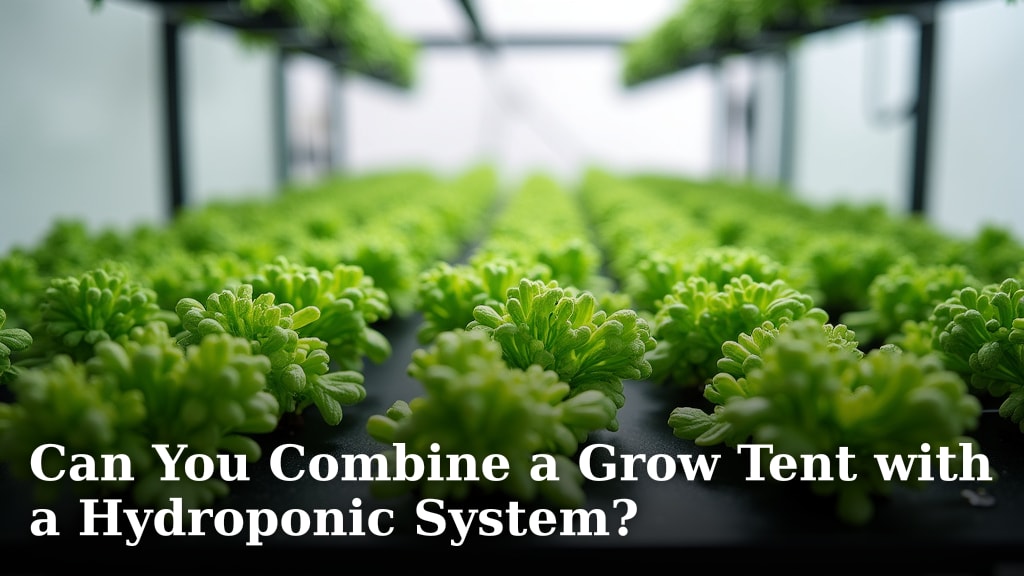
Can You Combine a Grow Tent with a Hydroponic System?
Yes, you absolutely can combine a grow tent with a hydroponic system to create a controlled and efficient indoor garden. This setup allows you to manage your environment for optimal plant growth year-round. Many growers find this combination to be a fantastic way to boost yields and quality.
A grow tent provides a contained space, keeping out pests and regulating temperature and humidity. When paired with hydroponics, which delivers nutrients directly to plant roots, you create a highly effective growing environment. This partnership helps plants thrive by ensuring they get exactly what they need, when they need it. We found this synergy to be key for consistent results.
- Grow tents offer environmental control (temp, humidity, light).
- Hydroponic systems deliver nutrients directly to roots.
- Combining them means better plant growth and bigger harvests.
- It’s a smart setup for indoor gardening success.
Let’s walk through how you can best set up your grow tent with a hydroponic system to get the most out of your plants.
Combining Grow Tents and Hydroponics for Success
Yes, you can definitely combine a grow tent with a hydroponic system. It’s a smart choice for indoor growing. This setup gives you great control over your plants’ environment. You can manage light, temperature, and humidity precisely. Hydroponics delivers nutrients directly to the roots. This means your plants get exactly what they need. Many growers find this combination leads to healthier plants and bigger harvests.
Why This Combination Works So Well
Think of the grow tent as your plant’s personal spa. It’s a clean, controlled space. This keeps out pests and diseases. It also helps you maintain the perfect temperature and humidity. Hydroponics, on the other hand, is like a custom meal plan for your plants. Instead of soil, roots get nutrients mixed in water. This can lead to faster growth. When you put them together, you create an ideal microclimate. Plants are happy and grow quickly.
Choosing the Right Grow Tent Size
When you’re setting up your hydroponic system inside a grow tent, size matters. You need enough space for your hydroponic setup. This includes the reservoir, pumps, and grow media. You also need room for your plants to grow. Don’t forget space for lighting and ventilation. A tent that’s too small will be cramped. This can lead to poor air circulation. It can also make maintenance difficult. We found that starting with a tent that allows for future expansion is a good idea.
Selecting Your Hydroponic System Type
There are several types of hydroponic systems. Each has its own pros and cons. For grow tents, some are more suitable than others. Let’s look at a few popular options.
Deep Water Culture (DWC)
DWC is simple and effective. Plants sit in net pots. Their roots hang down into an oxygenated nutrient solution. A small air pump keeps the water oxygenated. This system is relatively compact. It fits well in most grow tents. It’s a great choice for beginners. You get good results with minimal equipment.
Nutrient Film Technique (NFT)
NFT uses a shallow channel. A thin film of nutrient solution flows over the plant roots. This system is very efficient with water and nutrients. It can be set up vertically. This saves space within your grow tent. However, NFT systems can be sensitive to pump failures. You need a reliable pump. Backup power is also a good idea.
Drip Systems
Drip systems deliver nutrient solution to the base of each plant. The solution then drains back to a reservoir. These are versatile. You can use various grow media like coco coir or rockwool. They are easy to scale. You can adjust them for different plant sizes. They require a bit more setup than DWC. But they offer good control over watering.
Ebb and Flow (Flood and Drain)
This system floods a grow tray with nutrient solution. Then it drains back into a reservoir. It alternates between flood and drain cycles. This provides roots with both nutrients and oxygen. It’s a reliable method. It works well for many types of plants. The tray size needs to fit your tent.
Integrating Your Hydroponic System into the Tent
Once you have your tent and system, it’s time to set them up. First, place your hydroponic reservoir. Make sure it’s stable and accessible. You’ll need to check and change the nutrient solution regularly. Position your grow lights above where your plants will be. Ensure adequate spacing for heat. Install your ventilation system. This includes fans for air intake and exhaust. Good air circulation is vital for preventing mold and mildew. It also helps strengthen your plants. Many growers add reflective material inside the tent. This maximizes light efficiency. Research suggests reflective Mylar helps boost light intensity by up to 95% ( Growers Network ).
Lighting Considerations for Your Setup
Lighting is one of the most important factors. Your grow tent will house your lights. Choose lights that are appropriate for your plants. LED grow lights are popular. They are energy-efficient and produce less heat. This is great for a confined tent environment. Make sure your lights are the right spectrum for the plant’s growth stage. You’ll need a vegetative spectrum for leaf growth. A flowering spectrum is needed for bud development. The intensity of the light is also key. Too little light, and your plants will be weak. Too much, and they can get light burn. Position your lights at the correct height. Adjust them as your plants grow. This is essential for optimal photosynthesis.
Environmental Control: Temperature and Humidity
Keeping your tent’s environment stable is critical. Most plants thrive in a specific temperature range. For many leafy greens, temperatures between 65-75°F (18-24°C) are ideal. For flowering plants, slightly warmer might be better. Humidity is also important. Too high humidity can lead to mold. Too low can stress plants. A hygrometer will help you monitor levels. You can use fans and exhaust systems to manage humidity. Sometimes, a humidifier or dehumidifier might be necessary. Research indicates that maintaining humidity between 40-60% is generally good for many plants ( University of California Agriculture and Natural Resources ).
Nutrient Management for Hydroponic Success
In hydroponics, you are the plant’s sole source of nutrition. This means you must provide the right balance of nutrients. You’ll use specially formulated hydroponic nutrient solutions. These come in liquid or powder form. Always follow the manufacturer’s instructions carefully. Different plants have different needs. Nutrient requirements change as plants grow. You’ll need to monitor the pH of your nutrient solution. Most plants prefer a pH between 5.5 and 6.5. A pH meter is a must-have tool. If the pH is too high or too low, plants can’t absorb nutrients. This can cause nutrient deficiencies. Regularly test and adjust your nutrient solution. This is vital for healthy plant growth.
Maintenance and Monitoring Tips
Regular maintenance is key to a successful hydroponic grow tent setup. Check your plants daily. Look for any signs of pests, diseases, or nutrient problems. Monitor your water levels in the reservoir. Top it off if needed. Periodically, you’ll need to completely change your nutrient solution. This is usually done every 1-3 weeks. It prevents nutrient imbalances and buildup. Clean your equipment regularly. This helps prevent algae growth and disease. Keep your grow tent clean too. A clean environment is a healthy environment. Many growers find using a checklist helpful.
Your Grow Tent Hydroponic Checklist:
- Check reservoir water level daily.
- Test pH and EC/PPM of nutrient solution regularly.
- Inspect plants for pests or signs of stress daily.
- Ensure lights are at the correct height for plant growth.
- Clean filters and fans for optimal air circulation.
- Schedule regular nutrient solution changes.
By combining a grow tent with a hydroponic system, you create a controlled environment. This setup allows for year-round growing. It offers precision control over all growth factors. It’s a fantastic way to achieve consistent, high-quality yields. You’re essentially building a custom home for your plants. They’ll thank you for it with abundant growth.
Conclusion
You’ve learned that combining a grow tent with a hydroponic system is a powerful setup for indoor growing. This partnership gives you unmatched control over your plant’s environment and nutrition. You can fine-tune light, temperature, humidity, and nutrient delivery for optimal plant health and bigger yields. We found this combination to be a smart investment for consistent results year-round. Now, it’s time to put your knowledge into action and build your own thriving indoor garden. Start planning your tent size and system type today!
Frequently Asked Questions
How much space do I really need in my grow tent for a hydroponic system?
You need enough room for your hydroponic equipment like reservoirs and pumps, plus adequate space for your plants to grow and for lights and ventilation. We recommend choosing a tent size that allows for comfortable access for maintenance and potential future expansion.
Are there any hydroponic systems that are particularly difficult to use inside a grow tent?
Larger, more complex systems might be challenging to fit and manage in smaller tents. Systems that require significant vertical space or have many external components could also pose a challenge. Simpler, more compact systems like DWC or smaller NFT setups often work best.
What is the biggest mistake beginners make when combining grow tents and hydroponics?
A common mistake is underestimating the importance of environmental control and maintenance. Forgetting to monitor pH, temperature, or humidity, or neglecting regular nutrient solution changes, can quickly lead to plant problems. Consistent monitoring is key.
Can I use a standard household fan inside my grow tent for ventilation with a hydroponic system?
While a household fan can help with air circulation, it’s generally not sufficient for effective ventilation in a grow tent with a hydroponic setup. You’ll likely need an exhaust fan and intake system to properly manage temperature, humidity, and CO2 levels.
How often should I change the nutrient solution in my hydroponic system when it’s in a grow tent?
We found that changing the nutrient solution every 1 to 3 weeks is a good general guideline. This frequency helps prevent nutrient imbalances and the buildup of harmful microorganisms, ensuring your plants always have access to fresh, balanced nutrition.
