
Why Are My Hydroponic Roots Turning Brown?
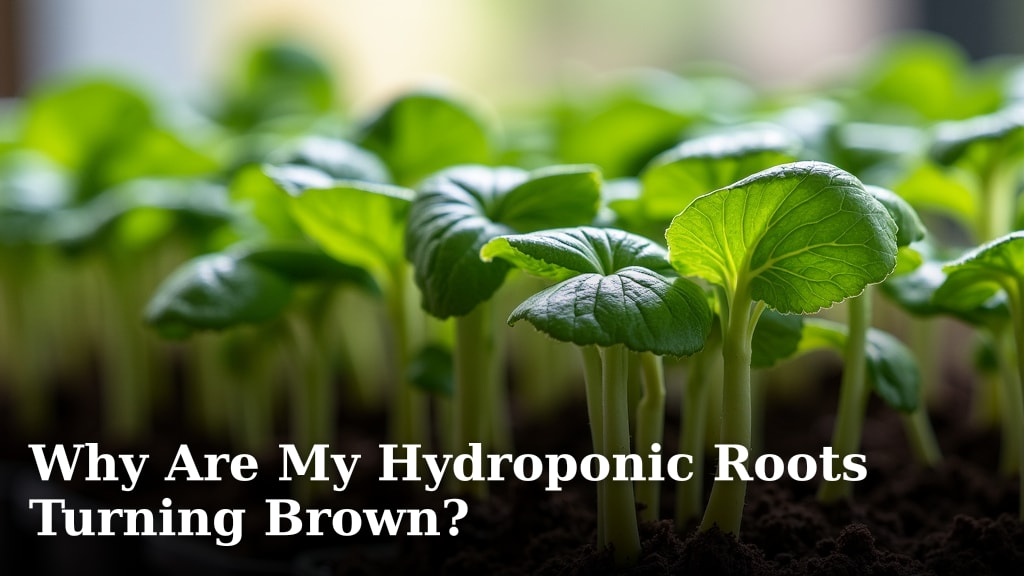
Your hydroponic roots are turning brown primarily because of root rot or an imbalance in your nutrient solution. This often happens when roots don’t get enough oxygen, or when there’s too much heat or a buildup of harmful bacteria. Don’t worry, seeing brown roots isn’t always a death sentence for your plants.
Understanding why this happens is key to saving your plants. It can be a sign of poor water quality, incorrect pH levels, or even overfeeding your plants. We’ve found that addressing these common issues can often reverse the browning and help your roots recover.
- Root rot is a common culprit for brown roots.
- Oxygen deprivation is a major cause of root issues.
- Incorrect nutrient levels can also lead to browning.
- Environmental factors like heat play a role.
Let’s get to the bottom of why your hydroponic roots are looking a bit “unwell” and how you can nurse them back to health.
Seeing brown roots in your hydroponic system can be disheartening, but it’s usually a signal, not a death sentence. Let’s figure out what’s going on and how to get those roots looking healthy and white again.
Addressing the Root of Brown Hydroponic Roots
Brown roots in hydroponics are most often a sign of root rot. This fungal or bacterial infection thrives in low-oxygen environments. It can quickly damage your plant’s ability to absorb nutrients and water. Several factors contribute to this problem, and we’ll walk through them.
Understanding Root Rot and Its Causes
Root rot isn’t a single disease but a condition caused by various pathogens. These often include Pythium, Phytophthora, and Fusarium. They attack roots that are already stressed or weakened. The key is to prevent these pathogens from getting a foothold in the first place.
Oxygen Deprivation: The Silent Killer
Hydroponic plants need oxygen at their roots. This is called dissolved oxygen (DO). If roots don’t get enough, they suffocate. This makes them vulnerable to rot. Think of it like holding your breath for too long; it’s not good for you, and it’s not good for your plants either.
Low DO levels can happen for a few reasons. One is insufficient aeration. Your water pump or air stone might not be working correctly. Another is stagnant water. If your nutrient solution isn’t circulating well, oxygen can’t reach all the roots. We found that maintaining a DO level of at least 5-6 mg/L is ideal (University of Arizona Cooperative Extension).
Temperature Too High
Warm water holds less dissolved oxygen. It also encourages the growth of harmful bacteria and fungi. For most leafy greens and herbs, keeping your nutrient solution between 65-75°F (18-24°C) is best. Many experts recommend aiming for the lower end of this range for optimal root health. If your reservoir is in a warm spot, you might need to add a chiller or use frozen water bottles.
Poor Nutrient Solution Management
The way you manage your nutrient solution is critical. Overfeeding your plants can lead to a buildup of salts. This can burn the roots and make them susceptible to damage. Conversely, an imbalanced solution might lack essential micronutrients, weakening the plant.
Incorrect pH levels are also a major player. If your pH is too high or too low, your plants can’t absorb nutrients properly. This stress can lead to root browning. We found that maintaining a pH between 5.5 and 6.5 is generally suitable for most hydroponic crops. Regularly testing and adjusting your pH is non-negotiable.
Water Quality Issues
The water you start with matters. Tap water can sometimes contain chlorine or other chemicals that harm beneficial microbes. These microbes actually help protect your roots. Letting tap water sit for 24 hours can allow chlorine to dissipate. Using filtered water can also improve water quality.
High levels of certain minerals in your source water can also cause problems. This is especially true if you’re using a recirculating system. These minerals can accumulate over time. They can interfere with nutrient uptake and lead to root issues. We found that performing a complete reservoir change every 1-2 weeks helps prevent this buildup.
Identifying Other Potential Culprits for Brown Roots
While root rot is the most common cause, other factors can contribute to browning. Sometimes, it’s just a natural part of a plant’s life cycle.
Natural Root Aging
Yes, roots can get old and die off. As a plant grows, older roots may turn brown and slough off. New, white roots will then emerge to take their place. If you see a mix of healthy white roots and some brown ones, and the plant looks otherwise fine, this might be the reason. It’s more common in older plants. However, if the browning is widespread and the plant shows signs of stress, it’s likely not just aging.
Over-Pruning Roots
In some systems, like deep water culture, you might trim roots. If you remove too much, you can stress the plant. This can lead to browning. It’s generally best to avoid aggressive root pruning unless you know exactly what you’re doing. We found that minimal intervention is usually best for root health.
Physical Damage
Roots can be damaged during transplanting or system maintenance. If roots are scraped, bruised, or broken, they can turn brown. This type of damage usually heals, but it can open the door for pathogens if the plant is already stressed. Being gentle during handling is very important.
Steps to Revive Your Brown Hydroponic Roots
Don’t panic! You can often save your plants. The first step is to identify the cause and then take swift action. Here’s what we found works:
Improve Aeration and Oxygen Levels
Ensure your air pump is working at full capacity. Check that your air stones are not clogged. Consider adding more air stones or a larger air pump if your reservoir is big. We found that a good rule of thumb is to have at least 1 watt of air pump power for every gallon of reservoir volume for good aeration.
Control Nutrient Solution Temperature
If your solution is too warm, take immediate action. Move your system to a cooler location. Use frozen water bottles in the reservoir (ensure they are sealed tightly). For long-term solutions, consider investing in a water chiller. Many growers find that keeping the temperature consistently below 75°F makes a big difference.
Manage Your Nutrient Solution Carefully
Test your pH and EC/PPM levels regularly. Adjust them as needed. Don’t overfeed your plants. Follow nutrient manufacturer guidelines closely. Many experts suggest a full reservoir change every one to two weeks. This helps prevent nutrient lockout and salt buildup.
Here’s a quick checklist to help you manage your solution:
- Test pH daily.
- Test EC/PPM every few days.
- Adjust pH with pH Up or Down solutions.
- Top off reservoir with plain pH-adjusted water between changes.
- Perform a full reservoir change every 1-2 weeks.
Sanitize and Introduce Beneficials
If you suspect root rot, you may need to clean your system. Thoroughly clean your reservoir and any tubing. You can use a diluted hydrogen peroxide solution for cleaning. Afterward, consider introducing beneficial microbes. Products containing beneficial bacteria can help outcompete pathogens. We found that strains like Bacillus subtilis can be quite effective.
Here’s a comparison of common interventions:
| Problem | Solution | Notes |
|---|---|---|
| Low Oxygen | Increase aeration, check air pump/stones. | Essential for root respiration. |
| High Temperature | Cooler location, water chiller, frozen bottles. | Warm water holds less oxygen. |
| Incorrect pH | Test and adjust pH regularly (5.5-6.5). | Nutrient lockout occurs outside this range. |
| Salt Buildup | Regular reservoir changes, avoid overfeeding. | Can burn roots and impede uptake. |
| Pathogens (Root Rot) | Sanitize, introduce beneficial microbes. | Requires a clean, healthy root environment. |
Prune Damaged Roots (Carefully)
If some roots are clearly dead and mushy, it’s sometimes best to gently prune them away. Use sterile scissors. This can prevent the spread of rot. However, be conservative. We found that removing more than 10-20% of the root mass at once can stress the plant.
Prevention is Better Than Cure
The best way to deal with brown roots is to prevent them from happening in the first place. Consistent monitoring and maintenance are your best tools. Keeping your system clean, oxygenated, and at the right temperature will go a long way.
Conclusion
Seeing brown roots in your hydroponic garden can be worrying, but it’s a common issue with clear solutions. You’ve learned that root rot, oxygen deprivation, temperature, and nutrient imbalances are the main culprits. Remember that environmental control and diligent monitoring are your best defenses. By regularly checking your water quality, pH, and temperature, and ensuring good aeration, you can keep your roots healthy and your plants thriving. Take these steps consistently, and you’ll be well on your way to a more successful hydroponic harvest.
Frequently Asked Questions
Can I still save my plant if all the roots are brown?
It’s challenging, but sometimes possible. If the plant itself still shows signs of life (green leaves, no wilting), you might have a chance. A thorough cleaning of the system and introducing beneficial microbes can help. Focus on restoring oxygen and optimal conditions immediately.
How often should I change my nutrient solution?
We’ve found that a complete reservoir change every 1 to 2 weeks is ideal for most systems. This prevents nutrient imbalances and the buildup of harmful compounds that can stress your roots.
Is it normal for some roots to be brown in hydroponics?
A small amount of browning on older roots can be normal, especially in mature plants. This is usually accompanied by new white root growth. However, widespread browning indicates a problem that needs addressing promptly.
What’s the best way to increase dissolved oxygen in my reservoir?
Ensure your air pump is strong enough for your reservoir size and that air stones are clean and working. You can also add more air stones or a larger pump. Good circulation of the nutrient solution also helps distribute oxygen.
Can using tap water cause my hydroponic roots to turn brown?
Yes, tap water can sometimes contain chlorine or other chemicals that harm beneficial microbes and stress roots. Letting tap water sit for 24 hours to allow chlorine to dissipate can help. Using filtered water is also a good option.
