
How to Grow Basil Indoors Hydroponically?

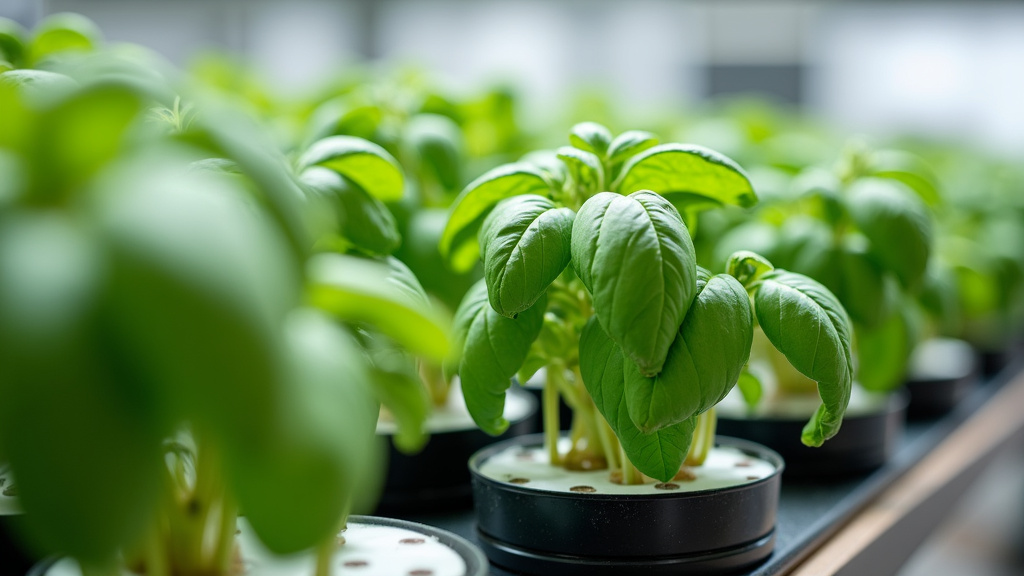
Yes, you can absolutely grow delicious basil indoors hydroponically. It’s a surprisingly easy and rewarding way to get fresh herbs year-round. You just need a few basic supplies and a bit of patience.
Hydroponics means growing plants without soil. Instead, plants get their nutrients from water. Many experts say this method can lead to faster growth and healthier plants than traditional gardening. Plus, no more dirt in your kitchen!
- Hydroponics grows plants without soil.
- Basil thrives in hydroponic systems indoors.
- You’ll need a growing system and nutrients. You’ll need a growing system and nutrients to get started with your hydroponic basil.
- Enjoy fresh basil all year long!
Ready to get your hands (or rather, not your hands) dirty? Let’s walk through exactly how to get your indoor basil hydroponic garden set up and thriving.
Setting Up Your Indoor Hydroponic Basil Garden
Growing basil without soil indoors is surprisingly straightforward. You’re essentially creating the perfect environment for your basil to thrive. This method bypasses common gardening headaches like soil-borne pests and inconsistent watering. Many gardeners find hydroponics leads to faster growth and larger yields. It’s a tidy way to bring fresh herbs right into your kitchen.
Choosing Your Hydroponic System
Several types of hydroponic systems work wonderfully for growing basil. The best one for you depends on your space, budget, and how hands-on you want to be. Don’t worry; they’re all designed to be user-friendly. Several types of hydroponic systems work wonderfully for growing basil.
Deep Water Culture (DWC)
A DWC system is incredibly simple and very effective for basil. Your basil plants sit in net pots, with their roots dangling directly into a nutrient-rich water reservoir. An air pump with an air stone provides oxygen to the roots, which is crucial for healthy growth. This is often a great starting point for beginners.
Nutrient Film Technique (NFT)
NFT systems use a shallow channel where a thin film of nutrient solution flows over the plant roots. The roots get plenty of oxygen because they aren’t fully submerged. This system is very efficient with water and nutrients. It’s a popular choice for commercial growers and enthusiastic home gardeners alike.
Wick Systems
Wick systems are completely passive, meaning they don’t require pumps. A wick draws nutrient solution from a reservoir up to the growing medium around the basil roots. They are very low maintenance,
Conclusion
You now have the knowledge to grow your own fresh basil indoors using hydroponics. You’ve learned about different hydroponic systems like DWC and NFT. You also know the basic setup involves a reservoir, nutrients, and a way to oxygenate the roots. It’s an accessible method for any home gardener. Ready to start? Your first step is to choose the hydroponic system that best fits your space and begin gathering your supplies.
Frequently Asked Questions
What is the best hydroponic system for beginners growing basil?
Research and found that a Deep Water Culture (DWC) system is often recommended for beginners. It’s simple to set up and manage. Your basil roots will have constant access to nutrient-rich water and oxygen.
How often do I need to change the nutrient solution?
You should aim to change your nutrient solution every 1-2 weeks. This ensures your basil plants are always getting fresh nutrients and prevents imbalances. It also helps keep the system clean.
What kind of lights do basil plants need indoors?
Basil needs plenty of light to grow strong. You’ll want to provide at least 6-8 hours of direct light daily. A full-spectrum LED grow light is a great option for indoor hydroponic gardens.
Can I use regular tap water for my hydroponic basil?
While you can start with tap water, it’s best to let it sit out for 24 hours first. This allows the chlorine to dissipate. You should then add hydroponic-specific nutrients to provide essential minerals for your basil.
What are common problems with hydroponic basil and how do I fix them?
Common issues include root rot from lack of oxygen or nutrient deficiencies. Ensure your system has an air pump running constantly for DWC. Always use a reputable hydroponic nutrient solution formulated for leafy greens.
