
How to Grow Succulents Under Artificial Light?
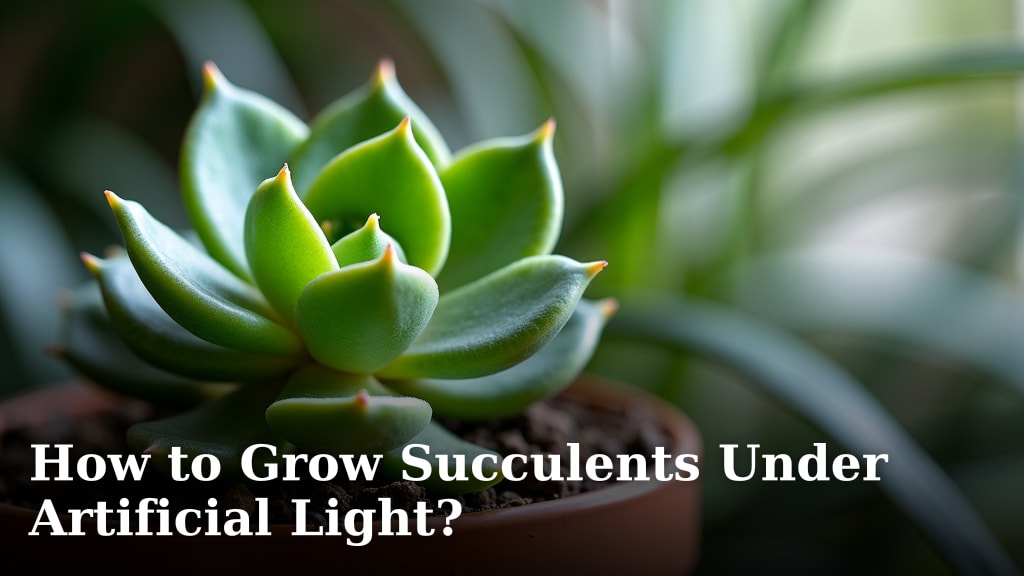
Yes, you absolutely can grow succulents under artificial lights! It’s a fantastic way to keep your spiky friends happy, even if your home doesn’t get much sun. The key is choosing the Yes, you absolutely can grow succulents under artificial lights; our guide explains how indoor plants can grow with only artificial light.right type of light and giving them the proper duration each day. You’ll be amazed at how well they thrive.
Many plant parents worry about keeping succulents alive indoors. Fortunately, artificial lights make it much simpler. You just need to replicate the bright, sunny conditions they crave. This means understanding a bit about light spectrum and intensity for healthy succulent growth.
- Succulents can grow well with artificial lights.
- Focus on the right light type and duration.
- Replicate sunlight for happy, healthy plants.
- Indoor growing is totally achievable with the correct setup.
Ready to give your succulents the light they deserve, no matter the season or window situation? Let’s walk through exactly how to set up your grow lights for success.
Lighting Your Succulents for Success Indoors
You’re wondering if artificial light can truly make your succulents happy. The answer is a resounding yes! Many people successfully grow these desert beauties indoors using grow lights. You just need to understand what kind of light they need and how much. Let’s get your succulents basking in glorious artificial sun.
Understanding Succulent Light Needs
Succulents naturally live in sunny environments. They need bright light to stay compact and colorful. Without enough light, they can stretch out, a process called etiolation. This makes them look leggy and pale. You want to avoid this sad, floppy look.
Why Natural Light Isn’t Always Enough
Even a sunny windowsill might not provide enough light for succulents, especially in winter. Many homes just don’t get the intense, direct sunlight succulents crave. This is where grow lights come in as your superheroes. They offer a consistent and powerful light source.
What is Etiolation?
Etiolation is how a plant stretches to find more light. For succulents, this means their leaves will grow further apart on the stem. The stem itself will become longer and thinner. The vibrant colors succulents are known for often fade too. It’s a clear sign they’re not getting enough light.
Choosing the Right Grow Lights for Succulents
Not all grow lights are created equal for your succulent friends. You need lights that mimic the sun’s full spectrum. This means looking at the light’s intensity and its color temperature. Getting this right is key to healthy, happy plants.
Full Spectrum Lights Are Your Best Friend
Many experts recommend full-spectrum LED grow lights for succulents. These lights provide a balance of red and blue wavelengths, plus other colors. This combination is what plants use for photosynthesis. It helps them grow strong and develop good color. Many grow light manufacturers explicitly state “full spectrum” on their packaging.
Understanding Light Intensity (PPFD)
Light intensity matters a lot for succulents. You want a light that’s bright enough to encourage compact growth. A common measurement for this is Photosynthetic Photon Flux Density (PPFD). For most succulents, a PPFD of 200-400 µmol/m²/s is a good target. You don’t need the super-high levels some fruiting plants require.
Color Temperature (Kelvin)
Color temperature, measured in Kelvin (K), tells you how warm or cool the light appears. For succulents, a light in the 5000K to 6500K range is often ideal. This range mimics natural daylight. Lights that are too warm (lower K) might encourage leggier growth.
Types of Grow Lights to Consider
You’ll find several types of grow lights. LED grow lights are generally the most energy-efficient and long-lasting. They also produce less heat, which is good for succulents. Fluorescent lights can also work, but they might need to be closer to the plants. Incandescent bulbs are generally not suitable as they produce too much heat and not the right spectrum.
Here’s a quick comparison of common grow light types:
| Light Type | Pros | Cons | Best For Succulents? |
|---|---|---|---|
| LED | Energy efficient, long lifespan, less heat, full spectrum options | Can be pricier upfront | Excellent |
| Fluorescent (T5/T8) | Good spectrum, relatively affordable | Shorter lifespan than LEDs, can be bulky | Good |
| Incandescent | Cheap to buy | High heat output, poor spectrum, very energy inefficient | Not Recommended |
Setting Up Your Grow Light Station
Once you have your lights, it’s time to set them up. Placement and duration are just as important as the light itself. Think of it as creating a perfect little desert oasis for your plants.
How Far Away Should the Lights Be?
The distance from the light to your succulents depends on the light’s strength. Generally, start with your lights about 6 to 12 inches above your plants. Watch your succulents closely. If they seem to be stretching, move the light closer. If you see any signs of scorching (brown, crispy spots), move it further away.
Many manufacturers provide recommended hanging heights for their specific lights. It’s always a good idea to consult these guidelines. You’re aiming for that sweet spot where they get intense light without damage.
How Long Should You Run the Lights?
Succulents need a period of darkness, just like they get in nature. Most succulents will thrive with 12 to 16 hours of light per day. This includes any natural light they might get. So, if they are on a windowsill that gets a few hours of sun, adjust your grow light timer accordingly.
Consistency is key here. Setting your lights on a timer is the easiest way to ensure they get the right amount of light every day. This also helps you avoid forgetting to turn them on or off.
Creating a Dedicated Space
You can set up a grow light station on a shelf, a table, or even in a closet. Using reflective material, like mylar or even white paint, in your growing area can help bounce light back onto the plants. This maximizes the light they receive. This is especially helpful if your light source is single-sided.
Tips for Success and Troubleshooting
Even with the best setup, you might encounter a few snags. Don’t worry; most issues are easy to fix. Observe your plants, and they’ll tell you what they need.
Signs Your Succulents Need More Light
You already know about etiolation – the stretching and pale appearance. Other signs include leaves dropping without cause. Sometimes, the colors of your succulents will become dull and muted. If your plant looks like it’s reaching upwards excessively, that’s a sure sign. It’s crying out for more brightness!
Signs Your Succulents Are Getting Too Much Light
While less common under artificial lights than intense sun, it’s still possible to overdo it. Look for scorched spots on the leaves. These might appear as brown or white patches. The plant might also develop a sickly yellow or bleached look. If you notice these, increase the distance between the light and the plant.
Watering Under Grow Lights
It’s important to remember that grow lights can affect how quickly your soil dries out. More intense light means more active growth and potentially faster drying. Always check your soil moisture before watering. Stick your finger about an inch into the soil. If it feels dry, it’s time to water. If it’s still damp, wait.
Many succulent growers find they need to water slightly more often when using grow lights, but this isn’t a hard rule. Your watering schedule will depend on your specific environment, the type of soil, and the pot size. Proper drainage is still the most critical factor for preventing rot.
Here’s a quick checklist to ensure your succulent setup is on point:
- Use full-spectrum LED grow lights.
- Position lights 6-12 inches above plants.
- Provide 12-16 hours of light daily.
- Use a timer for consistency.
- Observe plants for signs of too much or too little light.
- Check soil moisture before watering.
Conclusion
You’ve learned that growing succulents under artificial lights is entirely achievable and rewarding. By focusing on full-spectrum LED lights with the right intensity and color temperature, you can mimic the bright sun they love. Remember to position your lights correctly and provide a consistent 12-16 hours of light daily using a timer. Watch your plants closely for any signs of stress, like stretching or scorching, and adjust accordingly. Now you’re ready to create your own bright, beautiful succulent oasis, no matter where you live!
Frequently Asked Questions
Will my succulents grow as well under grow lights as they do in the sun?
Yes, your succulents can absolutely thrive under grow lights! When you provide the correct light spectrum and intensity, you can actually achieve even better results than with inconsistent natural light. You’ll likely see compact, vibrant growth.
How close should I hang my grow lights above my succulents?
For most LED grow lights, start with them about 6 to 12 inches above your plants. It’s best to observe your succulents. If they begin to stretch, move the light closer. If you see any browning or crispy spots, move the light a bit further away.
Can I use a regular household lamp for my succulents?
Regular household lamps, especially incandescent ones, are generally not suitable for succulents. They typically don’t emit the correct light spectrum and produce too much heat, which can damage your plants. Specialized grow lights are designed to provide what succulents need.
How often do I need to water succulents grown under artificial lights?
Succulents under grow lights may dry out faster due to increased growth activity. Always check the soil moisture before watering; stick your finger about an inch deep. Water only when the soil feels dry. Your watering frequency might increase slightly, but good drainage remains key.
What’s the difference between cool white and warm white grow lights for succulents?
For succulents, lights in the 5000K to 6500K range (often called “daylight” or “cool white”) are generally preferred. These mimic natural sunlight best and encourage compact, healthy growth. Warmer lights (lower K) can sometimes lead to leggier growth in succulents.
