
How to Choose a Planter for a Fiddle Leaf Fig?
Choosing the right planter for your fiddle leaf fig is key to its health. The best planters offer good drainage and enough space for your plant’s roots to grow. Look for pots that are at least 2 inches wider than your plant’s current root ball.
Your fiddle leaf fig needs a pot that allows excess water to escape. A planter that holds too much moisture can lead to root rot. We found that many plant parents struggle with finding the perfect balance for their fiddle leaf figs, making pot selection a real head-scratcher.
- Prioritize planters with drainage holes.
- Choose a pot that’s 2-3 inches wider than the current root ball.
- Consider the planter’s material for breathability.
- Don’t forget to account for future growth. Planning for future growth is essential when choosing a planter, and our guide on how to repot an indoor plant offers valuable insights.
Let’s walk through how to pick the perfect pot to keep your fiddle leaf fig happy and thriving. We’ll cover the essentials to make sure you get it right.
Picking the Perfect Pot for Your Fiddle Leaf Fig
Selecting the right home for your fiddle leaf fig is more than just a style choice. It’s about giving your plant the best possible environment to thrive. We’ve found that many plant parents wonder about the specifics when it comes to pots. Let’s break down what makes a planter ideal for these popular plants.
Understanding Fiddle Leaf Fig Root Needs
Your fiddle leaf fig has roots that need room to breathe and grow. When a plant is root-bound, its growth can slow down significantly. This means the pot size is a really important factor to consider.
The Importance of Drainage
This is the most critical element. Fiddle leaf figs do not like soggy feet. If excess water can’t escape, the roots will sit in moisture. This can quickly lead to root rot, a common and often fatal problem for these plants.
We found that pots with a dedicated drainage hole are non-negotiable. If a planter doesn’t have one, you’ll need to create one yourself or use it as a decorative cachepot with another pot inside that has drainage. This is a common workaround that many successful plant owners use.
Size Matters: Not Too Big, Not Too Small
The general rule of thumb is to choose a planter that’s 2-3 inches wider than your fiddle leaf fig’s current root ball. If you choose a pot that’s too large, the soil will hold too much moisture for too long. This increases the risk of root rot, especially if you tend to overwater.
On the flip side, a pot that’s too small will restrict root growth. This can stunt your plant’s overall development and make it more prone to drying out too quickly. You want to give your fig room to expand its root system comfortably.
How to Check Your Plant’s Root Ball
To gauge the right size, gently slide your fiddle leaf fig out of its current pot. You can usually do this by tilting the pot to the side and gently tapping the bottom. If it’s difficult to remove, the plant might already be root-bound.
Once out, look at the root ball. If the roots are tightly circling the soil, it’s time for a bigger home. You can also gently loosen some of the outer roots to encourage outward growth in the new pot. This is a helpful step we found can improve transplant success.
Choosing the Right Planter Material
The material of your planter plays a big role in how soil dries out. Different materials offer varying levels of breathability and moisture retention. This impacts how often you’ll need to water your fig.
Terracotta (Clay) Pots
Terracotta is a porous material. This means it allows air and water to pass through the pot’s walls. For fiddle leaf figs, this can be a great advantage because it helps the soil dry out more evenly and quickly.
We found that terracotta is often recommended for beginners or for those who tend to overwater. It acts as a natural buffer against too much moisture. However, it also means you might need to water your plant more frequently than in other materials.
Ceramic and Glazed Pots
Ceramic pots, especially those with a glaze, are less porous than terracotta. The glaze creates a barrier that significantly slows down water evaporation. These pots can look very decorative and are a popular choice for aesthetic reasons.
If you opt for a ceramic or glazed pot, be extra mindful of watering. You’ll likely need to water less often. It’s a good idea to check the soil moisture deeply before adding more water. Many plant experts recommend using a moisture meter with these types of pots.
Plastic and Resin Pots
Plastic and resin planters are lightweight and very affordable. They are non-porous, meaning moisture stays trapped inside for longer. This can be beneficial if you tend to underwater your plants.
However, like glazed ceramic, you need to be cautious about overwatering. Ensure your plastic pot has adequate drainage holes. These are often found in starter plants or very inexpensive options at garden centers. They can be a good temporary solution.
Fiberglass and Composite Pots
These modern materials offer a good balance. They are often lightweight and durable. Some composite materials can be somewhat breathable, while others are designed to retain moisture. Always check the product description or feel the material.
We found that fiberglass pots can be a great option for larger fiddle leaf figs. They offer good durability and can be easier to move than heavier ceramic or concrete pots. Ensure they have drainage, as this is always key. Our guide to the best planter pots for large indoor plants can help you find suitable options for larger fiddle leaf figs.
A Quick Comparison of Materials
To help you visualize the differences, consider this simple table:
| Material | Breathability | Moisture Retention | Pros | Cons |
|---|---|---|---|---|
| Terracotta | High | Low | Dries evenly, prevents overwatering | May need more frequent watering |
| Ceramic/Glazed | Low | High | Aesthetically pleasing, retains moisture | Risk of overwatering, heavy |
| Plastic/Resin | Very Low | Very High | Lightweight, affordable | High risk of overwatering, can look less premium |
| Fiberglass/Composite | Medium | Medium | Durable, often lightweight, stylish | Varies by type, can be expensive |
Considering the Future: Repotting Your Fig
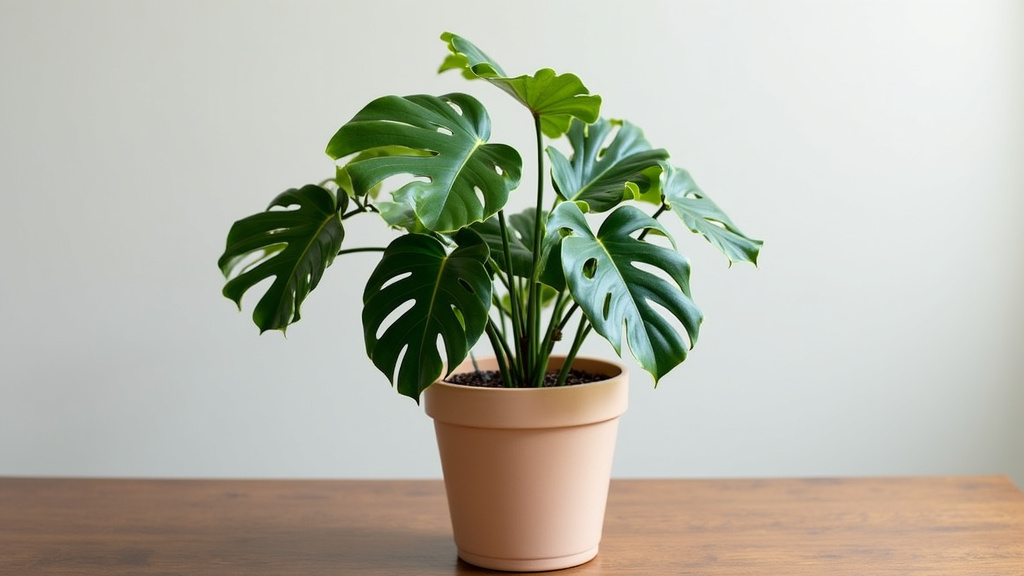
Fiddle leaf figs are trees, and like most trees, they will continue to grow. Your plant won’t stay the same size forever. You’ll need to plan for future repotting sessions.
The Repotting Cycle
Generally, fiddle leaf figs benefit from repotting every 1-2 years. This is usually done in the spring or early summer when the plant is actively growing. Repotting gives them fresh soil and more space for their roots.
When you repot, you’ll typically move up one pot size. This is why choosing a planter that’s just a bit bigger than the current one is ideal. You don’t want to jump from a 6-inch pot to a 14-inch pot in one go.
What If Your Fig is Very Large?
For very large, established fiddle leaf figs, frequent repotting might not be feasible. In such cases, you can top-dress the soil annually. This involves scraping off the top 1-2 inches of old soil and replacing it with fresh potting mix. This provides some new nutrients and improves soil condition.
Another option for large figs is to prune the roots. This is a more advanced technique and should be done with care. It helps manage the plant’s size and allows it to stay in its current pot longer. Many horticulturalists suggest root pruning only when necessary and with proper sanitization of tools (National Gardening Association).
Planter Style and Aesthetics
While function is paramount, your planter’s style can also contribute to your home decor. Fiddle leaf figs are statement plants, and their pots should complement them.
Match Your Decor
Consider the overall style of your room. Do you prefer a modern, minimalist look? A sleek ceramic pot or a simple fiberglass planter might work well. For a more bohemian or rustic feel, a terracotta pot or a woven planter could be a better fit.
Color and Finish
The color of the pot can also impact how it looks in your space. Neutral colors like white, black, or gray are versatile and tend to blend in. Brighter colors can make the pot a focal point. The finish, whether matte or glossy, also adds to the overall aesthetic.
Remember, you can always use a decorative cachepot. This is a stylish outer pot without drainage holes, which holds a plastic nursery pot with drainage inside. This allows you to swap out pots easily without disturbing the plant’s roots.
Your Fiddle Leaf Fig Potting Checklist
Here’s a quick rundown to help you choose:
- Does it have drainage holes? This is the #1 priority.
- Is it 2-3 inches wider than the current root ball? Not too big, not too small.
- What material is it made of? Consider how it affects soil drying.
- Is it sturdy enough for the plant’s size? Larger plants need stable pots.
- Does the style fit your home? Functionality meets aesthetics.
- Can you manage its watering needs? Be honest about your watering habits.
Conclusion
You’ve now got the essential guide to choosing the perfect pot for your fiddle leaf fig. Remember, good drainage and the right size are your plant’s best friends. Balancing material breathability with your watering habits is key to avoiding root rot and promoting healthy growth. Don’t forget to consider future repotting needs. Now that you’re equipped with this knowledge, go forth and select a planter that will help your fiddle leaf fig truly flourish!
Frequently Asked Questions
What if the planter I love doesn’t have drainage holes?
If you’ve fallen for a beautiful planter without drainage, don’t despair! You can use it as a decorative cachepot. Simply place your fiddle leaf fig in a plastic nursery pot with drainage holes, and then set that pot inside your decorative one. This allows for proper water drainage while keeping your chosen pot looking stylish.
How often should I repot my fiddle leaf fig?
Fiddle leaf figs generally benefit from repotting every one to two years, typically in the spring or early summer. This gives their roots fresh soil and more room to grow. You’ll know it’s time when you see roots emerging from the drainage holes or the plant seems to dry out very quickly.
Can I use a very large pot for my fiddle leaf fig to avoid frequent repotting?
It’s tempting to go big, but planting a fiddle leaf fig in a pot that’s too large can actually harm it. The excess soil holds too much moisture, significantly increasing the risk of root rot. It’s best to stick to the general rule of a pot that’s only 2-3 inches wider than the current root ball.
Does the color of the planter affect my fiddle leaf fig?
While the color of your planter is mainly an aesthetic choice, it can indirectly affect the soil temperature. Darker colored pots may absorb more heat in direct sunlight, potentially warming the soil more than lighter colored pots. This is usually a minor consideration unless your plant is in intense, direct sun.
How do I know if my fiddle leaf fig is root-bound?
You can tell your fiddle leaf fig is root-bound if you see roots growing out of the drainage holes. Another sign is if the plant dries out much faster than usual, often within a day or two after watering. Gently sliding the plant out of its current pot is the most direct way to check for tightly circling roots.
