
What Fruits Can You Grow Indoors Hydroponically?
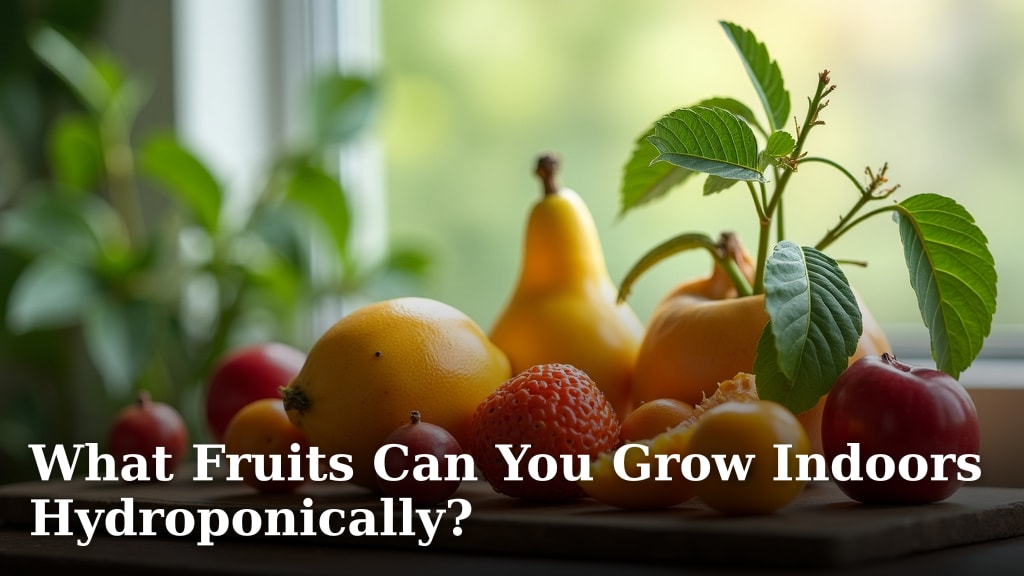
Yes, you can absolutely grow many delicious fruits indoors hydroponically! Systems like Kratky or deep water culture can work well. You’ll want to choose smaller fruiting plants that don’t need a lot of space to thrive. Many gardeners have success with strawberries and dwarf varieties of tomatoes.
Hydroponics allows you to control the nutrients and environment precisely. This can lead to faster growth and healthier plants. It’s a fantastic way to enjoy fresh produce year-round, even if you have a small living space. You might be surprised by how much you can harvest!
- Many fruits thrive in hydroponic setups.
- Strawberries and dwarf tomatoes are popular choices.
- Hydroponics offers controlled growth conditions.
- Enjoy fresh fruit year-round indoors.
Below, we’ll walk you through the best fruits to try and what you need to get started with your indoor hydroponic garden.
Growing Sweet Fruits Indoors with Hydroponics
You might be surprised by how many delicious fruits you can grow right in your own home using hydroponics. Forget the notion that only leafy greens can thrive indoors. Many popular fruits adapt wonderfully to these controlled systems. You just need to pick the right varieties. Let’s discover which ones are best suited for your indoor hydroponic adventure.
Your Top Fruit Choices for Hydroponic Gardens
When you’re thinking about fruits for your indoor hydroponic setup, it’s wise to focus on plants that are naturally smaller. Large trees or sprawling bushes are simply not practical for most indoor spaces. The goal is to find plants that give you a great harvest without taking over your grow tent or living room. We’ve found that certain fruits really shine.
Strawberries: A Hydroponic Superstar
Strawberries are often the first fruit that comes to mind for indoor hydroponics. And for good reason! They are compact, produce fruit relatively quickly, and absolutely love the consistent moisture and nutrient delivery hydroponic systems provide. You can achieve fantastic yields with the right setup and variety.
Choosing the Right Strawberry Variety
Not all strawberries are created equal for hydroponic growing. You’ll want to look for day-neutral or everbearing varieties. These types produce fruit throughout the growing season, rather than just one large crop. Examples that do well include ‘Albion’, ‘Seascape’, and ‘San Andreas’. These varieties are bred for consistent production. Researching specific cultivars is a smart first step. Many growers find these names popping up frequently in successful indoor gardens.
Hydroponic Systems for Strawberries
Strawberries thrive in several hydroponic systems. The Nutrient Film Technique (NFT) is a popular choice. It uses a shallow stream of nutrient-rich water flowing over the roots. This provides excellent aeration. The Deep Water Culture (DWC) system also works well. Here, the roots are suspended directly in an oxygenated nutrient solution. Kratky methods can also be successful for smaller setups. You’ll want to ensure good support for the plants as they grow and bear fruit. A little bit of careful planning goes a long way here.
What Strawberries Need to Thrive
Consistent temperatures are key. Aim for a range between 60-75°F (15-24°C). Plenty of light is also essential. You’ll likely need grow lights that provide a full spectrum for at least 10-12 hours a day. Proper nutrient levels are critical, but don’t overdo it. Over-fertilizing can harm the delicate roots. You are essentially providing everything they need. It’s quite rewarding when you see those first red fruits appear.
Tomatoes: Dwarf Varieties for Indoor Success
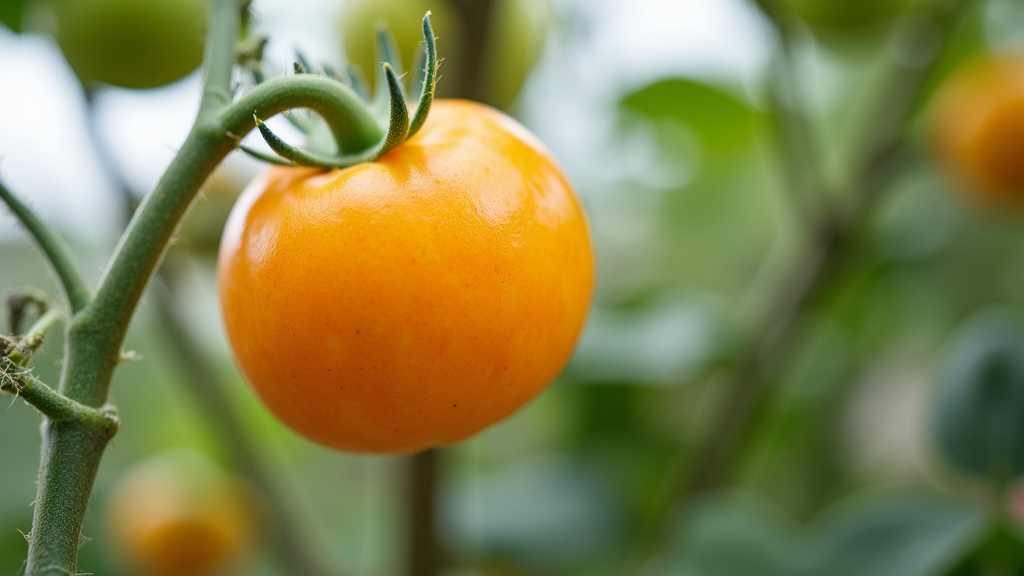
Tomatoes are another excellent candidate for indoor hydroponic cultivation. However, you can’t just grab any tomato plant from your local nursery. The trick is to choose dwarf or determinate varieties. These are bred to stay small and produce their fruit in a concentrated period. They are much more manageable in a confined space than their indeterminate cousins.
Recommended Dwarf Tomato Varieties
Look for terms like “bush,” “patio,” or “dwarf” in the variety name. ‘Tiny Tim’, ‘Micro Tom’, ‘Red Robin’, and ‘Sweet Million’ are frequently recommended. These plants typically reach only 1-3 feet in height. This makes them perfect for shelves or smaller grow tents. Even some cherry tomato varieties are bred to be compact. You’ll get those satisfying harvests of small, sweet fruits without needing a greenhouse.
Hydroponic Systems for Tomatoes
Tomatoes have a more robust root system than strawberries. This means they benefit from systems that can support them. DWC is a great option, especially with larger containers. Systems like drip irrigation or media-based hydroponics (like coco coir or perlite) are also very effective. These media provide physical support for the plants as they grow heavy with fruit. You’ll want a system that can handle a bit more weight. Good drainage is also important to prevent root rot.
Lighting and Support for Tomatoes
Tomatoes are sun-lovers. Indoors, this translates to needing strong grow lights. They require 14-16 hours of light per day. A full-spectrum LED light is usually your best bet. As the plants grow and produce fruit, they will need support. Stakes, cages, or trellises are essential. Even dwarf varieties can get top-heavy. You’ll be happy you added support when you see the abundance of tomatoes. Pollination might also be something you need to assist with indoors. Gently shaking the plants or using a small brush can help transfer pollen.
Peppers: A Spicy Addition to Your Garden
Peppers, including both sweet bell peppers and hot varieties, can be grown hydroponically indoors. Like tomatoes, choosing the right variety is key. Look for compact or bush varieties that won’t grow too tall. They generally require similar conditions to tomatoes, making them a good companion plant if space allows.
Compact Pepper Varieties to Consider
‘Cayenne Long Slim’ is a popular choice for hot peppers because it stays relatively compact. For sweet peppers, varieties like ‘Lunchbox’ or ‘Proba’ are known for their smaller size and good yields. You can grow a surprising range of peppers, from mild to fiery, right in your home. Researching specific needs for each type is always recommended. Some peppers prefer slightly warmer conditions than others.
Hydroponic Care for Peppers
Peppers do well in systems like DWC, drip systems, or ebb and flow. They appreciate a stable root environment. Adequate light is crucial, similar to tomatoes, needing 12-14 hours of good quality light daily. Support may be needed for heavier fruiting varieties. Consistent nutrient levels are important for flowering and fruit development. You’ll find that maintaining the right pH balance is quite important for peppers.
Herbs and Small Fruits: Beyond the Usual Suspects
While strawberries, tomatoes, and peppers are the most common fruit choices, other smaller fruits can also be grown hydroponically. Some growers have had success with bush beans or even certain types of melons if they choose very dwarf varieties and provide ample support. However, these are generally more challenging for beginners.
Can You Grow Citrus Indoors?
Growing citrus indoors hydroponically is possible, but it’s a more advanced endeavor. You’ll need to focus on dwarf citrus trees, such as Meyer lemons or calamondins. These require larger systems and specific nutrient profiles. They also need a lot of light and good air circulation. While it’s a rewarding goal, it’s often best to start with simpler fruits like strawberries first. Think of it as a long-term aspiration.
What You’ll Need to Get Started
Starting your indoor hydroponic fruit garden is exciting! Here’s a quick rundown of the essentials. Don’t feel overwhelmed; many starter kits are available.
- Hydroponic System: Choose one suited for your space and the fruits you want to grow (e.g., DWC, NFT).
- Grow Lights: Full-spectrum LED lights are highly recommended for fruit production.
- Nutrients: Specific hydroponic nutrient solutions formulated for fruiting plants.
- Growing Medium: Rockwool, coco coir, perlite, or clay pebbles depending on your system.
- pH and EC/TDS Meters: To monitor and adjust your nutrient solution.
- Seeds or Seedlings: High-quality seeds or healthy starter plants.
Getting these items ready will set you up for a successful harvest. It’s about creating the perfect environment for your plants to flourish. You’re essentially building a mini-ecosystem for them.
Conclusion
You now know that growing fruits like strawberries, dwarf tomatoes, and even peppers hydroponically indoors is totally achievable! By selecting the right compact varieties and providing consistent light, nutrients, and a stable environment, you can enjoy your own fresh produce year-round. Don’t be afraid to start small; even a simple setup can yield delicious results. Your indoor garden adventure awaits, so gather your supplies and get ready to taste the fruits of your labor!
Frequently Asked Questions
What is the easiest fruit to start with hydroponically indoors?
Strawberries are generally considered the easiest fruit for beginners to grow hydroponically indoors. They are compact, have a relatively short harvest cycle, and respond very well to the controlled conditions that hydroponic systems offer. Many growers find great success with them.
Do hydroponic fruits taste different from soil-grown fruits?
Many growers report that hydroponically grown fruits can taste just as delicious, if not more so, than soil-grown varieties. This is because you can precisely control the nutrients and environment, ensuring the plants get exactly what they need for optimal flavor development.
How much light do fruiting plants need in a hydroponic setup?
Fruiting plants generally require more light than leafy greens. You’ll want to provide them with full-spectrum grow lights for at least 10-14 hours per day, depending on the specific fruit. LEDs are a popular and efficient choice for indoor fruit production.
Can I grow larger fruit trees like dwarf oranges hydroponically?
Growing dwarf citrus trees hydroponically is possible but more challenging for beginners. They require larger systems, specific nutrient needs, and a lot of light. It’s often recommended to start with smaller fruits like strawberries or tomatoes before attempting citrus.
What are the biggest challenges when growing fruits hydroponically indoors?
Some common challenges include managing the light requirements, ensuring proper nutrient balance for fruiting, potential pollination issues for certain plants, and providing adequate support for plants as they grow and bear fruit. Root health is also vital to prevent issues.
