
Is Indoor Hydroponic Farming Profitable?
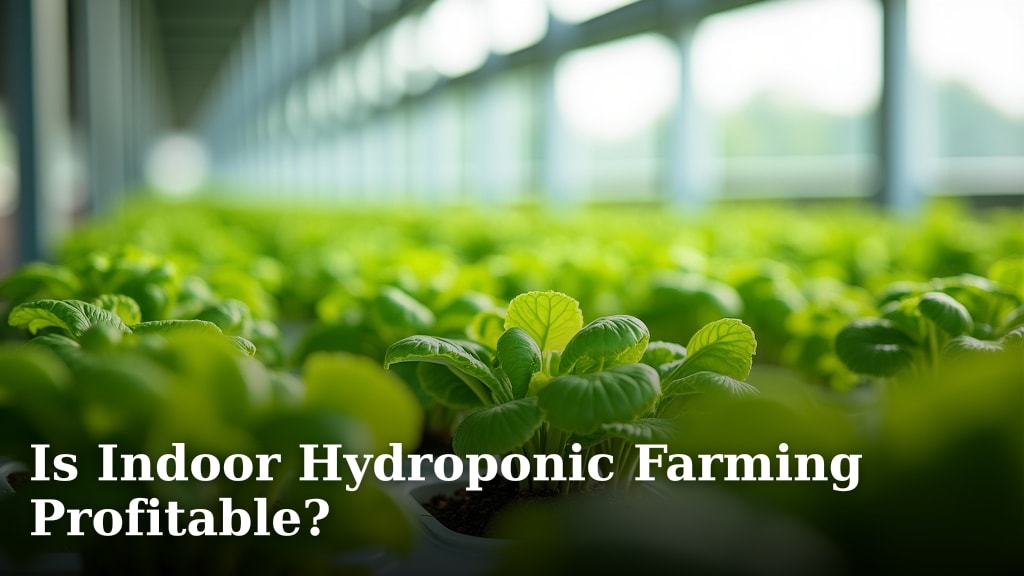
Yes, indoor hydroponic farming can be profitable, but it requires careful planning and management. Success hinges on factors like crop choice, market demand, and operational efficiency. Many growers find that starting small and scaling up is a smart approach to building a sustainable business.
You might be wondering if ditching the soil for water-based systems is truly worth the investment. We’ve found that while hydroponics offers benefits like faster growth and higher yields, the initial setup costs and ongoing energy needs are important considerations. It’s a business decision that requires a clear understanding of both potential rewards and challenges.
- Hydroponics can be profitable.
- Success depends on careful planning.
- Crop choice and market demand matter.
- Energy costs and setup fees are key.
- Start small and scale up for best results.
Let’s walk through what makes indoor hydroponic farming profitable and what you need to watch out for.
Making Money with Indoor Hydroponic Farming
So, you’re curious if growing plants indoors without soil can actually put money in your pocket? The short answer is yes, but it’s not a magic money tree. We’ve researched and found that profitability in hydroponics boils down to smart choices and hard work. It’s a bit like running any business: understand your costs, know your customers, and deliver a quality product.
Many growers find that focusing on high-value crops and efficient operations is key. You’re essentially investing in controlled environments. This control can lead to faster growth and higher yields than traditional farming. But let’s be clear, it requires an initial investment and ongoing attention.
Understanding Your Potential Profits: Key Factors
When we look at the profitability of indoor hydroponic farming, several factors stand out. Think of these as the building blocks for your success. Getting these right from the start will make a big difference down the line.
1. Crop Selection: What to Grow for Profit
This is perhaps the most critical decision you’ll make. Not all crops are created equal when it comes to hydroponic profitability. Some plants thrive in these systems and command good prices.
High-Demand, Fast-Growing Crops
Leafy greens like lettuce, spinach, kale, and arugula are popular choices. They grow quickly, meaning you can have multiple harvest cycles within a year. This faster turnover can lead to more consistent revenue. We’ve found that local restaurants and farmers’ markets often seek these fresh, locally grown greens.
Herbs for a Premium Price
Fresh herbs such as basil, mint, cilantro, and parsley also do very well. These often fetch a higher price per pound than basic greens. Their compact size makes them ideal for many hydroponic setups. The demand for fresh, consistent herbs year-round is strong, especially from culinary businesses.
Specialty and High-Value Produce
Some growers explore options like strawberries, tomatoes, or even microgreens. Strawberries can be very profitable, but they require more specialized systems and care. Microgreens are tiny seedlings harvested at a young age, and they are incredibly fast-growing. They offer a high yield in a small space and can be sold to high-end restaurants.
2. Market Demand and Sales Channels
Even the best crops won’t sell themselves. You need to know who will buy your produce and how you’ll get it to them. Understanding your local market is essential for setting up a profitable operation.
Direct-to-Consumer Sales
Selling directly to consumers can offer the highest profit margins. This includes farmers’ markets, community-supported agriculture (CSA) programs, or even an on-site farm stand. You build a relationship with your customers. This allows you to control pricing and get direct feedback. We found that many successful small farms rely heavily on these methods.
Wholesale to Restaurants and Grocers
Selling to restaurants, caterers, or local grocery stores provides consistent sales volume. However, you’ll likely get a lower price per unit compared to direct sales. Building relationships with chefs and produce managers is key here. They often value freshness, quality, and reliability.
Online Sales and Delivery
Some hydroponic farms are finding success with online ordering and local delivery services. This can expand your reach beyond your immediate neighborhood. You can offer curated boxes of fresh produce. This requires planning for packaging and delivery logistics.
The Financial Side: Costs and Revenue Streams
Profitability is ultimately about the difference between your income and your expenses. Let’s break down where your money will go and where it will come from.
Startup Costs: The Initial Investment
Getting started with hydroponics involves an upfront investment. This can range from a few hundred dollars for a small home system to tens of thousands for a commercial setup. Key components include:
- Hydroponic system (e.g., Deep Water Culture, Nutrient Film Technique, Drip System)
- Grow lights (LEDs are energy-efficient)
- Nutrients and pH adjusters
- Growing media (rockwool, coco coir, etc.)
- Environmental controls (fans, pumps, timers, heaters/coolers)
- Seeds or seedlings
- Shelving and grow tents (optional, but recommended for control)
Operational Expenses: Ongoing Costs
These are the costs of keeping your farm running. They happen regularly and need to be factored into your pricing. Major ongoing expenses include:
- Electricity for lights and pumps (this can be a significant cost)
- Water and nutrients
- Seeds or seedlings for new crops
- Labor (if you hire help)
- Packaging materials
- Rent or mortgage for your growing space
- Maintenance and repairs
Estimating Your Revenue
Revenue is calculated by multiplying the yield of your crops by the price you sell them for. Yield depends on:
- The type of crop
- The efficiency of your hydroponic system
- Environmental control (light, temperature, humidity)
- Nutrient management
- Your growing experience
We found that experienced growers can often achieve higher yields per square foot than traditional farmers. This is a major advantage of controlled environment agriculture.
Putting it All Together: A Sample Scenario (Hypothetical)
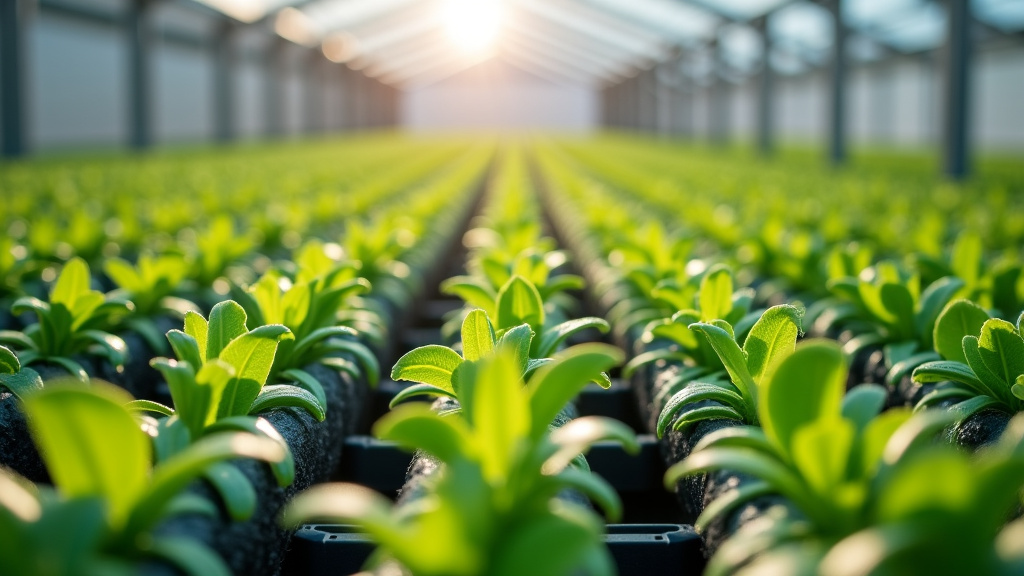
Let’s consider a small operation focused on leafy greens. Imagine you set up a vertical NFT system in a spare room or small warehouse space. Your main crops are lettuce and basil.
| Expense Category | Estimated Monthly Cost |
|---|---|
| Electricity (Lights & Pumps) | $150 – $400+ |
| Nutrients & Water | $50 – $150 |
| Seeds/Seedlings | $30 – $100 |
| Packaging | $20 – $75 |
| Rent/Space (if applicable) | Varies Greatly |
| Other (Maintenance, etc.) | $25 – $50 |
For revenue, let’s say you can grow and sell 100 heads of lettuce and 50 bunches of basil per month. If you sell lettuce for $3 each and basil for $2 per bunch, your estimated monthly revenue would be $400 (lettuce) + $100 (basil) = $500. If your monthly expenses are, say, $300, your monthly profit is $200. This is a simplified example, of course. Scaling up or choosing higher-value crops can drastically change these numbers.
Maximizing Profitability: Tips for Success
To really make your hydroponic venture pay off, consider these strategies:
Optimize Your Energy Use
Electricity is often the biggest operational cost. Use energy-efficient LED grow lights. Ensure your grow room is well-insulated to maintain temperature. Consider timers for lights and pumps to run during off-peak hours if your utility offers that. Many energy experts suggest this.
Monitor and Control Your Environment
Precise control over temperature, humidity, and CO2 levels leads to faster growth and better quality. Invest in good monitoring equipment. Avoid drastic fluctuations. Consistent conditions are key to maximizing yields.
Recirculate Nutrients and Water
Most hydroponic systems recirculate nutrient solutions. This saves water and nutrients, significantly reducing ongoing costs. Regularly test and adjust your nutrient solution to ensure plants get exactly what they need. This practice is widely recommended by agricultural bodies.
Focus on Quality and Consistency
Your reputation is built on the quality of your produce. Consistently deliver fresh, flavorful, and visually appealing products. This builds customer loyalty. For wholesale clients, reliability is just as important as quality.
Keep Detailed Records
Track your yields, sales, expenses, and labor. This data helps you identify what’s working and what’s not. You can then make informed decisions to improve efficiency and profitability. Good record-keeping is a hallmark of successful businesses.
Is It Worth the Hassle? A Quick Checklist
Before you dive in, ask yourself these questions. Your honest answers will tell you a lot:
- Do you have a clear understanding of the initial investment needed?
- Have you researched local market demand for hydroponically grown produce?
- Are you prepared for the ongoing costs, especially electricity?
- Do you enjoy problem-solving and continuous learning?
- Can you commit the time for system maintenance and harvesting?
- Do you have a plan for selling your crops?
Conclusion
So, can indoor hydroponic farming be profitable for you? The answer is a confident yes, with careful planning and smart execution. You’ve learned that focusing on high-demand crops like leafy greens and herbs, combined with strategic sales channels, is key. While initial setup and energy costs are real, they are manageable with efficient practices. By keeping detailed records and consistently delivering quality produce, you can build a thriving operation. Your next step is to research local market needs and start sketching out a business plan for your own hydroponic adventure.
Frequently Asked Questions
How much money can you actually make with a small hydroponic setup?
Profitability for small setups varies greatly. With high-demand crops and direct sales, you might see a few hundred dollars in profit monthly after covering costs like electricity and nutrients. Starting small allows you to learn the ropes before scaling up and increasing your earning potential.
What are the biggest mistakes new hydroponic farmers make that hurt profitability?
Common mistakes include choosing low-demand crops, underestimating energy costs, and poor environmental control leading to lower yields. Not having a clear sales strategy is also a major pitfall. We’ve found that learning from these common errors can save you a lot of money.
Is it better to sell hydroponic produce directly to consumers or to wholesale businesses?
Direct-to-consumer sales, like at farmers’ markets or through CSAs, generally offer higher profit margins per unit. Wholesale to restaurants and grocers provides more consistent volume but at a lower price. Many successful growers use a mix of both to maximize revenue.
How long does it typically take to see a profit from a hydroponic farm?
For small hobby farms, profitability might be immediate if you’re selling excess produce. For larger commercial operations, it can take 6-12 months to recoup initial investments and consistently turn a profit, depending on setup costs and sales performance.
Are there any specific hydroponic systems that are more profitable than others for beginners?
Systems like Nutrient Film Technique (NFT) for leafy greens and Deep Water Culture (DWC) for greens and herbs are often recommended for beginners due to their relative simplicity and efficiency. They can lead to good yields for popular, fast-growing crops.
