
What Size Planter Does a Snake Plant Need?

Your snake plant needs a planter that is only slightly larger than its root ball, usually about 1-2 inches wider. This is because snake plants prefer being a bit root-bound and don’t like sitting in soggy soil. Too large a planter means too much soil, which holds too much moisture and can lead to root rot, the number one enemy of these tough plants.
Choosing the right planter size is key to keeping your snake plant happy and thriving. While they are known for being low-maintenance, giving them the correct pot size prevents common problems like yellowing leaves and fungal issues. Many people overlook this detail, but it makes a huge difference for your plant’s long-term health and growth.
- Snake plants like to be snug in their pots.
- Aim for a pot just 1-2 inches wider than the root ball.
- Too big a pot can cause root rot from excess moisture.
- A snug pot encourages healthier growth and prevents disease.
Below, we break down exactly what size planter is best for your snake plant and why it matters so much.
Choosing the Right Pot Size for Your Snake Plant
The size of the planter you choose for your snake plant is surprisingly important. It’s not just about aesthetics; it directly impacts your plant’s health. We found that snake plants generally prefer to be a little crowded in their pots. This preference helps them thrive.
Think of it like this: your snake plant is a bit like a minimalist. It doesn’t need a huge mansion to feel comfortable. A cozy, slightly snug space is just right for it. We recommend sticking to a pot that’s only about 1-2 inches wider than the plant’s current root ball.
Why this specific size? It all comes down to moisture. Too much soil means too much water retention. Snake plants are quite drought-tolerant and hate having “wet feet.” Giving them a pot that’s too large is like inviting a flood of problems. We’ve seen this lead to yellowing leaves and overall decline.
Understanding Snake Plant Root Needs
Snake plants have a unique root system. They typically have fleshy, somewhat bulbous roots that store water. This is why they are so good at surviving periods of drought. However, these roots are also susceptible to rot if they sit in waterlogged soil for too long.
We found that when a snake plant is placed in a planter that is excessively large, the excess soil around the root ball can hold onto moisture for an extended period. This creates an environment where fungal diseases can easily take hold. The plant essentially drowns in its own pot.
Conversely, a slightly root-bound snake plant is a happy snake plant. When its roots are snug, the plant is encouraged to focus its energy on growing upwards rather than expanding its root system unnecessarily. Many horticulturalists suggest this slightly restricted growth encourages more robust leaf development (Gardening Magazine).
Signs Your Snake Plant Needs a Bigger Pot (Or Not!)
How do you know if your snake plant is outgrowing its current home? There are a few tell-tale signs. Sometimes, it’s obvious, and other times, it’s a bit more subtle. We’ve learned to watch for these indicators.
One of the most common signs is when roots start to grow out of the drainage holes at the bottom of the pot. This is a clear signal that the plant has run out of space. You might also see roots pushing up the soil or even bulging the sides of a plastic pot.
Another sign, though less direct, is stunted growth. If your snake plant hasn’t produced any new leaves in a very long time, and you’re otherwise providing good care (light, watering), it might be due to being pot-bound. We’ve found that repotting can often kickstart new growth in these situations.
When to Hesitate Repotting
Even if you see some roots emerging, it doesn’t always mean an immediate repot is necessary. Remember, snake plants like to be snug. If only a few roots are peeking out, and the plant otherwise looks healthy, you can probably wait a bit longer.
We’ve seen many people repot too soon, only to create the very problems they were trying to avoid. It’s about finding that sweet spot. If your plant is healthy and showing good growth, don’t rush into a larger pot just yet. Patience is a virtue, especially with these plants.
How to Measure for the Correct Planter Size
Measuring for the right planter is a straightforward process. You’ll need your snake plant, its current pot, and a measuring tape or ruler. This simple step will save you a lot of potential headaches down the line. We always advise doing this before you go shopping for a new pot.
First, gently remove your snake plant from its current container. If it’s stuck, you might need to tap the sides of the pot or even run a thin knife around the edge. Once it’s out, carefully brush away any loose soil from the root ball. Try not to disturb the roots too much.
Next, measure the widest part of the root ball. This will give you the diameter of the space your plant currently occupies. This measurement is your baseline for selecting a new pot.
Selecting the New Pot Dimensions
Now that you have the measurement of your snake plant’s root ball, it’s time to find a new home for it. Remember, you only need a pot that is 1-2 inches larger in diameter than the root ball measurement. This ensures a snug fit without being too constricting.
For example, if your snake plant’s root ball measures 6 inches across, you should look for a pot that is 7-8 inches in diameter. It might seem small, but it’s precisely what your snake plant needs to flourish. We’ve found this rule of thumb works reliably.
Consider the depth of the pot too. While diameter is the primary concern for snake plants, the depth should be proportionate to the width. You don’t want a very deep, narrow pot or a very shallow, wide one. A good balance is key.
Material Matters: Choosing the Right Planter Type
Beyond size, the material of your planter can also influence how your snake plant performs. Different materials affect soil moisture, drainage, and even temperature. We’ve explored several options and found that some materials are better suited than others.
Terracotta pots are porous. This means they allow air and water to pass through them. As a result, the soil dries out faster in terracotta. This can be a great advantage for snake plants, especially if you tend to overwater or live in a humid climate. We often recommend terracotta for beginners.
Ceramic and glazed pots are less porous. They retain moisture much longer than terracotta. While beautiful, they carry a higher risk of waterlogging if not managed carefully. If you choose a ceramic pot, be extra vigilant about your watering schedule and ensure excellent drainage.
Plastic pots are lightweight and inexpensive. They retain moisture well, similar to ceramic. The main advantage is their durability and ease of use. If you opt for plastic, make sure it has adequate drainage holes, as they won’t allow moisture to escape through the sides.
Drainage Holes: A Non-Negotiable Feature
Regardless of the material you choose, one feature is absolutely essential: drainage holes. We cannot stress this enough. Without proper drainage, any pot size is a risk for your snake plant. Water needs a way to escape.
If you fall in love with a decorative pot that doesn’t have drainage holes, you have a couple of options. You can drill holes yourself if the material allows (like plastic or thin ceramic). Alternatively, you can use it as a cachepot, meaning you place your snake plant in a plastic nursery pot with holes inside the decorative one.
We found that ensuring there’s a gap between the bottom of the inner pot and the cachepot allows excess water to collect without the roots sitting in it. This is a simple trick that can save your plant’s life. Always prioritize function over form when it comes to drainage.
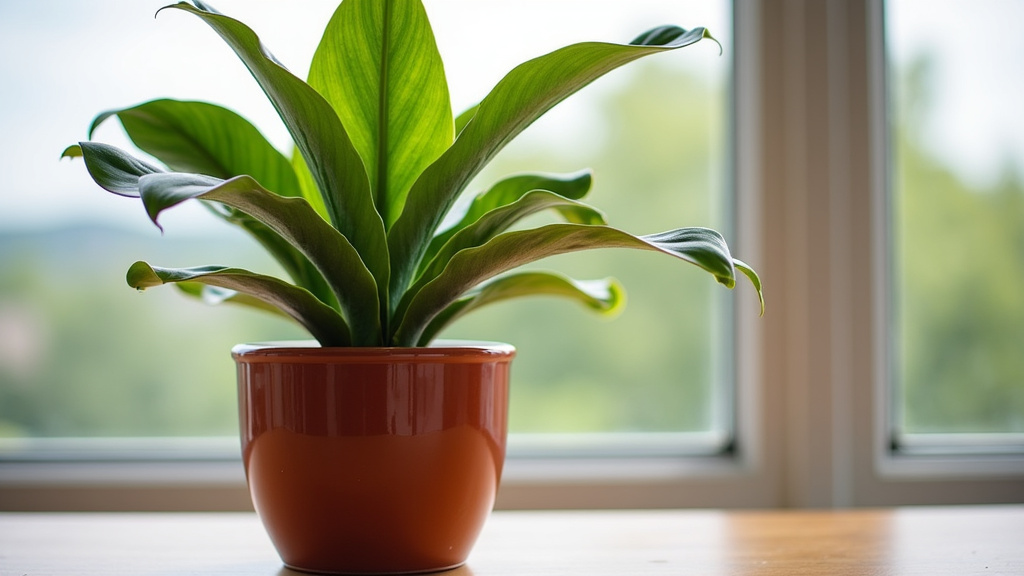
Repotting Your Snake Plant: A Gentle Process
Repotting a snake plant is not a complex operation, but it requires a gentle touch. The goal is to move your plant to a slightly larger home without causing undue stress or damage to its roots. We’ve found that timing and technique make all the difference.
The best time to repot your snake plant is typically in the spring or early summer. This is when the plant is actively growing, so it can recover more easily from the process. Avoid repotting during its dormant winter months.
When you’re ready, have your new pot, some fresh potting mix, and your plant prepared. Gently ease the plant out of its old pot. If the roots are tightly bound, you can try to loosen them slightly with your fingers, but don’t force it. The less root disturbance, the better.
What Soil Mix to Use
Snake plants prefer a well-draining soil mix. A standard potting soil can work, but we recommend amending it to improve drainage. Adding perlite or coarse sand is a great way to achieve this. You can also find specific cactus or succulent potting mixes, which are ideal.
We found that a mix that drains quickly prevents the soil from becoming waterlogged. This is crucial for preventing root rot. Aim for a soil that feels gritty and light, not dense and heavy. A good mix will allow water to flow through easily.
When you place your snake plant into its new pot, ensure it sits at the same soil depth as it did in its previous pot. Fill in around the root ball with your fresh, well-draining mix, gently tamping it down to remove air pockets. Avoid packing the soil too tightly.
A Quick Checklist for Snake Plant Planter Success
To recap and make things easy, here’s a quick checklist to ensure you pick the perfect pot for your snake plant:
- Check the Root Ball: Gently remove your plant and measure its root ball.
- Add 1-2 Inches: Choose a new pot that is only 1-2 inches wider in diameter than the root ball.
- Drainage is Key: Ensure the new pot has at least one drainage hole at the bottom.
- Material Choice: Consider porous materials like terracotta for faster drying.
- Proper Depth: Select a pot with a depth that is proportionate to its width.
- Fresh Soil: Use a well-draining potting mix, ideally for succulents or cacti.
Conclusion
You’ve learned that giving your snake plant a little room to breathe is key, but not too much! Remember, these plants prefer a snug fit, so a pot just 1-2 inches larger than the root ball is ideal. This prevents waterlogged soil and the dreaded root rot, keeping your snake plant healthy and happy. By measuring correctly and choosing a pot with good drainage, you’re setting your snake plant up for long-term success. Keep an eye on those roots and soil moisture, and you’ll be a snake plant pro in no time. Your next step? Grab a measuring tape and check your plant’s current pot size before you shop for that perfect new home!
Frequently Asked Questions
My snake plant’s roots are growing out of the drainage holes. Does it definitely need a bigger pot?
Yes, if roots are actively growing out of the drainage holes, it’s a strong indicator your snake plant has outgrown its current container. While they like to be snug, this is a sign they need more space to spread.
Can I use a decorative pot without drainage holes for my snake plant?
You can, but only if you use it as a cachepot. This means placing your snake plant in a plastic nursery pot with drainage holes inside the decorative one. This setup prevents the roots from sitting in standing water.
My snake plant looks fine, but its leaves are turning yellow. Could the pot be too big?
A pot that’s too large is a common cause of yellowing leaves in snake plants. It holds excess moisture, leading to root rot, which often shows up as yellowing or browning foliage. Check the pot size and soil moisture.
How often should I repot my snake plant into a larger container?
You typically only need to repot a snake plant every 2-5 years, or when you notice signs of being root-bound like roots emerging from drainage holes or stunted growth. They don’t mind being slightly pot-bound.
Should I choose a deeper pot or a wider pot if my snake plant’s root ball is wider than it is deep?
For snake plants, the width of the pot is more critical than the depth. Aim for a pot that is 1-2 inches wider than the root ball’s diameter. The depth should be proportionate to the width, but avoid extremely deep pots relative to their size.
