
Do You Need a Grow Tent for Indoor Gardening?
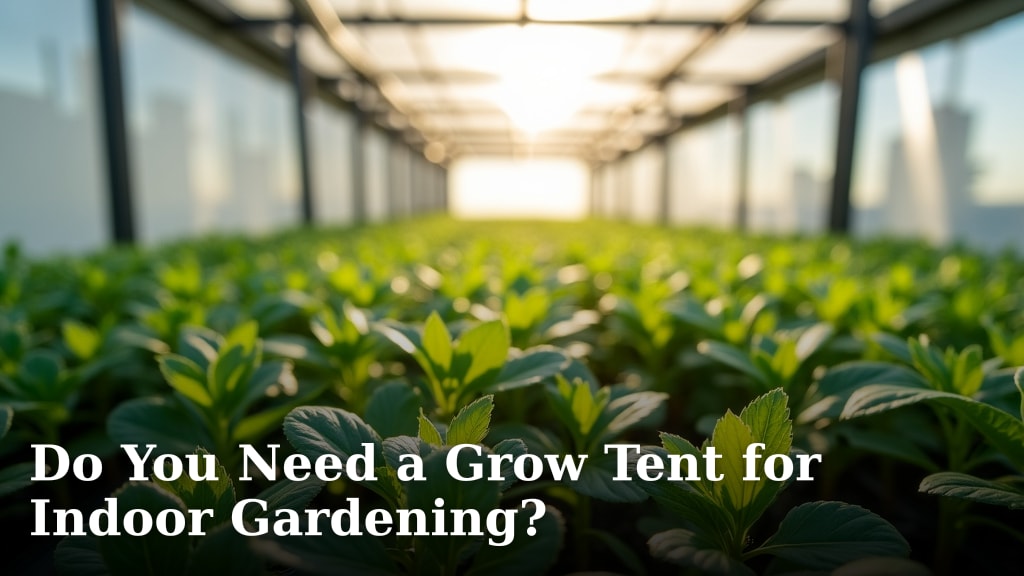
No, you don’t always need a grow tent for indoor gardening, but it can make things much easier and more successful. A grow tent creates a controlled environment, helping you manage light, temperature, and humidity effectively. This control is key for healthy plant growth, especially when growing specific plants indoors.
Think of a grow tent as a miniature, portable greenhouse. It helps contain your grow lights, preventing light leaks and directing more light to your plants. It also helps keep pests out and contains odors, which can be a big plus for many indoor gardeners. Many people find them essential for a consistent harvest.
- Grow tents aren’t strictly mandatory but are highly recommended.
- They offer essential environmental control for plants.
- Tents help manage light, temperature, humidity, and pests.
- They can make achieving successful indoor grows simpler.
Let’s dive into why a grow tent might be the perfect addition to your indoor garden setup and what other options are out there.
Is a Grow Tent a Must-Have for Indoor Growers?
You might be wondering if a grow tent is really necessary for your indoor plants. The short answer is: not always, but it often makes your life a lot easier. It’s like asking if you need a fancy chef’s knife to chop an onion. You can do it with a butter knife, but the chef’s knife makes the job quicker, cleaner, and much more enjoyable.
A grow tent creates a purpose-built space for your plants. This controlled environment is the main reason growers choose them. Think of it as your plant’s personal spa. Inside, you can fine-tune everything your plant needs to thrive indoors. We’ll look at why this control is so important.
The Benefits of a Controlled Environment
Indoor gardening can be tricky. You’re fighting against the natural outdoor elements. Plants need just the right amount of light, warmth, and humidity. They also need protection from pests and the occasional draft.
A grow tent is designed to help you manage these factors. It’s like giving your plants a customized habitat. This helps prevent common indoor growing problems. It’s all about creating the ideal conditions for healthy, vigorous growth.
Managing Light for Optimal Growth
Light is food for plants. Indoor growers often use grow lights. These lights can be bright and create a lot of heat. Without a tent, light can escape and spill into your room. This is wasteful and can disrupt your plant’s growth cycle. Choosing the right grow lights is essential for maximizing plant growth indoors.
Grow tents have reflective interiors. This bounces light back onto your plants. It means more light reaches your plants where it’s needed. Many tents also block light from escaping. This is good for energy efficiency and keeps your growing space discreet.
Many guidelines suggest that the intensity and duration of light are key. Research has shown that controlled light cycles are vital for plant development (NCBI).
Temperature and Humidity Control
Your home’s temperature and humidity might not be perfect for your plants. Different plants have different needs. Some love it warm and steamy. Others prefer it cooler and drier.
A grow tent helps you maintain these specific conditions. You can easily place fans and humidifiers inside. The tent traps the conditioned air. This creates a stable microclimate. It’s much easier than trying to control the air in an entire room.
Many horticulturalists suggest that maintaining consistent temperature ranges is critical for plant health. For example, maintaining humidity between 40-60% is often recommended for many popular houseplants (University Extension Services).
Containment and Odor Control
Some indoor plants can develop strong odors. This might be a concern if you live with others or want to keep your hobby discreet. Grow tents offer a solution.
The sealed nature of most tents helps contain smells. You can add ventilation systems with carbon filters. These filters are very effective at scrubbing odors from the air. It keeps your growing space fresh.
This containment also helps keep pests out. If you’ve ever dealt with gnats or other indoor plant pests, you know how annoying they can be. A tent provides a barrier.
Alternatives to Grow Tents
So, if a grow tent isn’t mandatory, what else can you do? You have options! They might require a bit more creativity.
Dedicated Grow Rooms
If you have the space, a dedicated room can work. You can convert a spare bedroom or a closet. You’ll still need to manage light, temperature, and humidity.
You might use blackout curtains to control light. You can use fans and dehumidifiers. However, controlling light leaks and drafts can be more challenging in a whole room.
This option often requires more DIY effort. You’ll need to seal off windows and doors effectively. It can be a great solution for larger setups. It offers more space for your plants to grow.
Repurposed Furniture and Spaces
Think outside the box! An old cabinet or an entertainment center can be modified. You can turn it into a small grow space. These are often called “stealth grows.”
You’ll need to add ventilation and light. You might also need to line the inside with reflective material. This can be a cost-effective way to start small.
Many growers start with simple setups like this. They experiment to see what works best for them. It’s a good way to learn without a big investment. Just make sure it’s well-ventilated to prevent mold.
Open Shelving with Grow Lights
For some plants, like certain herbs or leafy greens, you might not need full containment. Open shelving with good grow lights can suffice.
This is the simplest setup. You place your plants on shelves under LED grow lights. You’ll need to monitor humidity and temperature manually.
This method is best for plants that don’t need intense light or specific environmental controls. It’s easy to set up. You can easily access your plants for watering and care. However, it offers less control over the environment.
When a Grow Tent Becomes Essential
While you can garden without one, there are times when a grow tent is almost a requirement. These situations often involve specific plant types or challenging indoor environments.
Growing High-Value or Sensitive Plants
If you’re growing delicate orchids or rare medicinal herbs, a grow tent is a smart choice. These plants often need precise conditions. They can be sensitive to fluctuations in light, temperature, and humidity.
A tent provides the stability these plants crave. It helps ensure they get exactly what they need to flourish. You can create a perfect microclimate for them.
Dealing with Pest Infestations
If your home has a persistent pest problem, a grow tent is a good defense. It creates a sealed environment. This prevents pests from reaching your plants.
It also makes it easier to treat any pests that might get inside. You can isolate the problem area. This prevents spread to other parts of your home.
Maximizing Yield and Quality
For serious growers aiming for the best possible harvest, a grow tent is often the way to go. The controlled environment leads to healthier plants.
Healthier plants generally produce better yields and higher quality. You can optimize light, nutrients, and airflow. This leads to superior results. Many growers find the investment pays for itself in produce.
Comparing Grow Tent Options
If you decide a grow tent is for you, you’ll find many types. They range in size and features. Choosing the right one depends on your needs.
| Feature | Basic Tents | Advanced Tents |
|---|---|---|
| Reflective Interior | Often Mylar | Diamond or high-reflectivity material |
| Ventilation Ports | Standard openings | Multiple, adjustable ports for fans/filters |
| Light Proofing | Good | Excellent, heavy-duty zippers |
| Frame Strength | Lighter duty metal or PVC | Sturdier metal, higher weight capacity |
| Features | Basic | Tool-free assembly, observation windows, cable management |
When looking at tents, check the material quality. Also, consider the number and placement of ventilation ports. These are key for setting up your airflow.
What to Look for in a Grow Tent
A good grow tent will have a strong frame. It should be able to hold your lights and equipment. The fabric should be durable and lightproof. Check the zippers; they should be heavy-duty and easy to use.
Look for plenty of ventilation ports. You’ll need these for air intake and exhaust fans. Some tents have handy features like observation windows. These let you check on your plants without opening the tent.
You want a tent that is easy to set up. Many modern tents are designed for simple assembly. This saves you time and frustration. The size is also important. Make sure it’s big enough for your plants to grow.
Setting Up Your Tent for Success
Once you have a grow tent, setting it up correctly is key. Proper setup ensures you get all the benefits.
Ventilation and Airflow
Good airflow is vital. You need to exchange the air inside the tent regularly. This brings in fresh CO2 and removes excess heat and humidity.
Use an exhaust fan to pull stale air out. An intake fan or passive vents can bring fresh air in. Position a small fan inside the tent. This helps circulate air around your plants. It prevents mold and mildew.
Lighting Placement
Hang your grow lights securely. Follow the manufacturer’s recommendations for distance. Too close can scorch plants. Too far can result in weak growth.
Ensure the reflective interior is clean. Dust can reduce reflectivity. Proper light placement maximizes the light your plants receive. This is key for photosynthesis.
Monitoring Your Environment
Use thermometers and hygrometers. Place them inside the tent. Monitor temperature and humidity regularly. Adjust your fans, heaters, or humidifiers as needed.
Keeping a log can be helpful. You’ll see patterns in your environment. This helps you learn how to maintain optimal conditions. Consistency is key for healthy plants.
Your Indoor Garden Checklist
Thinking about getting a grow tent? Here’s a quick rundown to help you decide and prepare:
- Assess your space and the plants you want to grow.
- Determine your budget for a tent and equipment.
- Consider the importance of light, temperature, and humidity control for your plants.
- Think about odor control needs.
- Research different tent sizes and features.
- Plan for ventilation and air circulation within the tent.
While not always mandatory, a grow tent can transform your indoor gardening experience. It offers a controlled environment that simplifies growing. It helps ensure your plants get the best conditions to thrive. Whether you’re a beginner or an experienced grower, it’s an option worth considering.
Conclusion
So, while a grow tent isn’t a strict requirement for every indoor garden, it’s a powerful tool. It simplifies managing light, temperature, and humidity, leading to healthier plants. You’ve seen how a tent provides a controlled environment, which is especially beneficial for sensitive plants or when dealing with pests and odors. If you’re serious about maximizing your yields or just want an easier growing experience, investing in a grow tent is a smart move. Your next step? Measure your space and start researching the tent size and features that best fit your indoor gardening goals.
Frequently Asked Questions
Can I get good results without a grow tent?
Yes, absolutely. You can achieve successful indoor gardens using alternatives like grow rooms or repurposed furniture, especially for less sensitive plants. It often requires more effort in managing your environment manually.
How much space do I really need for a grow tent?
Tent sizes vary greatly, from small desktop units to large walk-in models. Consider the mature size of your plants and how much equipment you’ll need inside. Many growers find a 2×2 or 3×3 foot tent is a good starting point for a few plants.
What’s the main advantage of a reflective interior in a grow tent?
The reflective interior bounces light back onto your plants, ensuring they receive more of the light you’re providing. This makes your grow lights more efficient and promotes stronger, more uniform growth.
Are grow tents noisy?
The tent itself is quiet, but the ventilation system (fans and filters) you install inside can create noise. Choosing quieter fan models and proper insulation can help minimize sound.
Do I need a grow tent if I’m only growing herbs?
For most common herbs, a grow tent isn’t essential. You can often get by with open shelving and good grow lights. However, a tent can help maintain consistent conditions if your home environment fluctuates a lot.
