
Is a Self Watering Planter Worth the Money?
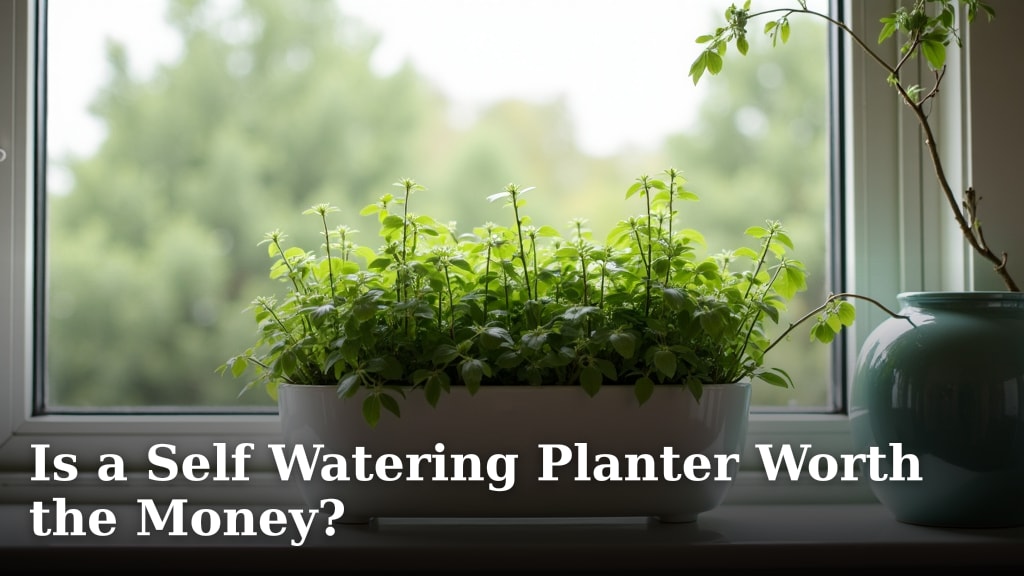
Yes, a self-watering planter can absolutely be worth the money for many plant parents. They help prevent both over and under-watering, making it easier to keep your plants happy and healthy. This can save you money in the long run by reducing the need to replace dead plants.
If you struggle with watering consistency or often forget to water your plants, these planters are a fantastic solution. They are designed to provide your plants with the right amount of moisture over time. We found that they offer a great balance of convenience and plant care for busy individuals.
- Self-watering planters deliver consistent moisture.
- They help prevent common watering mistakes.
- This can save you money on replacing plants.
- Great for busy schedules or forgetful plant owners.
Let’s break down if a self-watering planter is the right choice for your home and your green friends.
Are Self-Watering Planters a Smart Investment?
So, you’re eyeing those fancy self-watering planters. You’re wondering if they’re worth the splurge. The short answer? For many of us, yes, they really can be. They simplify plant care significantly. We found that these planters can save you time and the heartbreak of a wilting plant.
Think of them as a tiny, automated watering assistant for your plants. They take the guesswork out of hydration. This means healthier plants and a happier you. Let’s dive into why these planters might be a good fit for your home.
How Do Self-Watering Planters Work?
It’s all about a clever, built-in reservoir. This reservoir holds a supply of water. A wicking system then draws water up to the soil as the plant needs it. This process mimics how plants absorb moisture naturally from the ground.
The Reservoir: Your Plant’s Water Cooler
Most self-watering planters have a water storage area at the bottom. You fill this reservoir, and it acts like a mini water supply. The size of the reservoir dictates how often you need to refill it. Larger reservoirs mean less frequent refills.
The Wicking System: Nature’s Delivery Service
A wick, often made of cotton or synthetic material, connects the water in the reservoir to the soil. This wick acts like a straw, pulling water upwards. The soil then takes only what it needs. This prevents waterlogged roots, a common plant killer.
Capillary Action: The Science Behind It
This wicking action is a prime example of capillary action. It’s the same force that allows water to move up the stem of a plant or through a paper towel. It’s a passive process, meaning it doesn’t require electricity or pumps.
Preventing Over and Under-Watering
This is where self-watering planters truly shine. They greatly reduce the risk of watering mistakes. Many plant parents struggle with knowing just how much water their plant needs. Too much and you get root rot. Too little and your plant droops.
With a self-watering planter, the plant dictates the water supply. It draws water only when the soil starts to dry out. This consistent moisture level is ideal for most houseplants. We found this level of control is a major stress reliever for busy owners.
The Financial Aspect: Are They Cost-Effective?
Let’s talk about money. The initial cost of a self-watering planter is often higher than a basic pot. However, the long-term savings can make them a smart financial choice. Think about the cost of replacing beloved plants that have succumbed to watering woes.
Initial Investment vs. Long-Term Savings
A standard plastic pot might cost a few dollars. A self-watering planter could range from $10 to $50 or more, depending on size and material. It seems like a significant jump. But consider the lifespan of your plants.
If you tend to kill plants often, the cost of buying replacements adds up. Research suggests that beginner plant owners frequently struggle with watering. A self-watering planter can help you avoid these costly mistakes. Many experts say consistency is key for plant survival (National Gardening Association).
Saving Money on Plant Replacements
How many plants have you lost to a vacation or a busy week? It’s a common story. Self-watering planters offer a buffer. They keep your plants hydrated for weeks at a time. This means you’re less likely to come home to a crispy, brown disaster.
The money saved on not buying new plants can easily offset the planter’s cost. We found that happy, healthy plants are more rewarding. Plus, you avoid the disappointment of losing a green companion.
Durability and Material Costs
Many self-watering planters are made from durable plastics or high-quality ceramic. These materials often last longer than cheap terracotta pots. This means you won’t need to replace the planter itself as often. It’s a one-time purchase that provides ongoing benefits.
| Planter Type | Initial Cost (Approx.) | Estimated Lifespan | Total Cost (3 Years, Approx.) |
|---|---|---|---|
| Basic Pot | $5 | 1 year (can break/need replacing) | $15 |
| Self-Watering Planter | $20 | 5+ years (durable) | $20 |
This table illustrates how the initial higher cost can be recouped. Your basic pot might need frequent replacement. The self-watering planter offers lasting value. We found this long-term view is essential when assessing value.
Convenience for the Busy Plant Parent
Life gets hectic. We all have days, or weeks, where plant care falls to the bottom of the priority list. Self-watering planters are a lifesaver for busy schedules. They automate a core part of plant maintenance.
Less Frequent Watering
Depending on the reservoir size and plant type, you might only need to refill it every 2-4 weeks. Imagine going on vacation without needing to ask a neighbor to water your plants! It’s a huge relief for frequent travelers or those with unpredictable schedules.
Peace of Mind
Knowing your plants are being looked after, even when you’re swamped, is incredibly reassuring. You can relax during busy work periods. Your plants will remain hydrated and healthy. This peace of mind is, for many, priceless.
Perfect for Forgetful Folks
Let’s be honest, sometimes we just forget. It happens to the best of us. If you’re prone to forgetting to water, these planters are your secret weapon. They provide a consistent water source. Your plants won’t suffer from your occasional lapse in memory.
Do All Plants Benefit from Self-Watering?
While fantastic for many, they aren’t a universal solution for every single plant. Some plants simply prefer their soil to dry out completely between waterings. These are often succulents or cacti.
Ideal Plant Companions
Most common houseplants thrive in consistently moist soil. This includes plants like:
- Peace Lilies
- Ferns
- Spider Plants
- Herbs like Basil and Mint
- Many tropical foliage plants
Plants to Approach with Caution
Plants that are prone to root rot or prefer arid conditions might not be the best candidates. Examples include:
- Succulents
- Cacti
- Snake Plants (often prefer to dry out)
Adjusting Watering Habits
Even with a self-watering planter, you still need to monitor your plant. Occasionally check the soil moisture. This helps you understand your plant’s specific needs. It also ensures the wicking system is functioning correctly. Some plants might still need a top watering now and then.
Key Features to Look For
When choosing a self-watering planter, a few features can enhance your experience. Not all planters are created equal, so keep an eye out for these details.
Water Level Indicator
This is a small window or float that shows you how much water is left in the reservoir. It takes the guesswork out of refilling. You always know when it’s time for a top-up.
Easy Refill Spout
A dedicated spout or opening makes refilling the reservoir much cleaner and simpler. You don’t have to worry about overfilling or making a mess. It’s a small detail that makes a big difference.
Drainage and Overflow Protection
Look for planters with a way to prevent overfilling the reservoir. Some have an overflow hole. Others might have a plug you can remove for extra drainage if needed. This is especially useful if you accidentally add too much water.
Is It Worth It for You? A Quick Checklist
Ask yourself these questions to see if a self-watering planter aligns with your lifestyle and plant care habits:
- Do you often forget to water your plants?
- Are you frequently away from home for work or travel?
- Do you struggle to find the right watering balance?
- Are you looking for a low-maintenance way to keep plants healthy?
- Do you own many common houseplants that prefer consistent moisture?
- Are you willing to invest a bit more upfront for long-term convenience and plant health?
If you answered “yes” to several of these, a self-watering planter is likely a worthwhile investment for you. They offer a practical solution to common plant care challenges.
Conclusion
You’ve seen how self-watering planters can be a smart investment for your home. They offer a practical way to keep your plants happy and healthy, especially if your schedule is packed or you’re new to plant care. By preventing over and under-watering, they save you money on plant replacements and reduce common plant parenting stress. For most common houseplants, these planters provide a consistent, reliable water source. Consider your plant collection and lifestyle, and take the leap to simplify your plant care routine today!
Frequently Asked Questions
Can I use a self-watering planter for ALL my plants?
Generally, no. While great for many common houseplants that prefer consistent moisture, plants like succulents and cacti that need to dry out between waterings might struggle. Always research your specific plant’s needs before placing it in a self-watering planter.
How often do I need to refill the reservoir?
This varies based on the planter’s reservoir size, the plant’s water needs, and your environment (like humidity and temperature). Typically, you might refill every 2-4 weeks, but always check the water level indicator if your planter has one.
Will a self-watering planter prevent root rot?
They greatly reduce the risk by preventing over-watering, which is a primary cause of root rot. The wicking system delivers water gradually, so the soil typically stays moist but not waterlogged, allowing roots to breathe.
What’s the main difference in cost compared to a regular pot?
The initial purchase price of a self-watering planter is usually higher than a basic plastic or terracotta pot. However, we found that the long-term savings from not replacing dead plants can easily make up for this initial higher cost.
Do I still need to monitor my plant in a self-watering planter?
Yes, you should still check on your plants periodically. While the planter handles consistent watering, it’s good practice to ensure the wicking system is working, observe your plant’s health, and occasionally check the soil moisture to confirm it’s meeting your plant’s specific needs.
