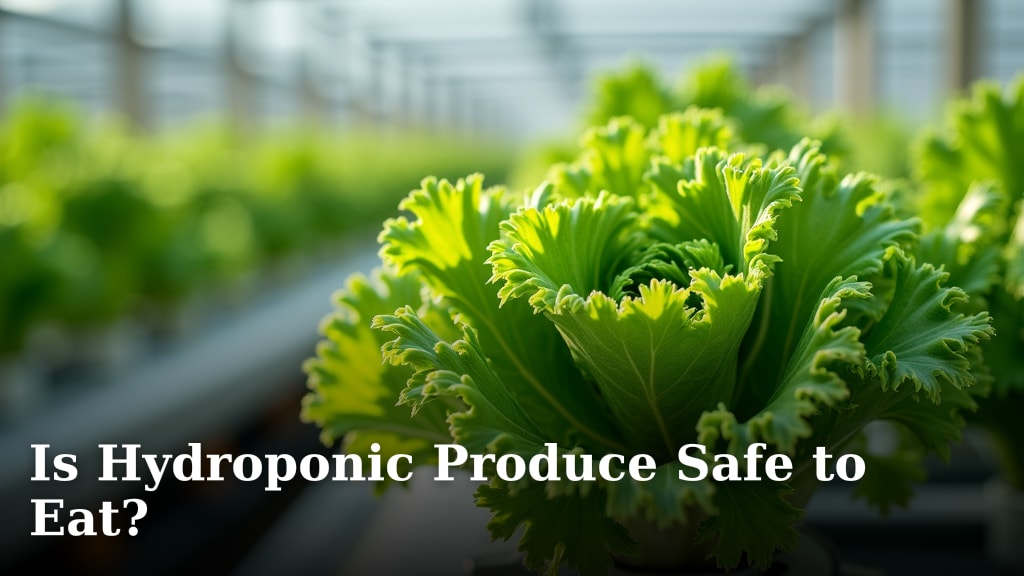
Is Hydroponic Produce Safe to Eat?
Yes, hydroponic produce is safe to eat. It’s a growing method that uses nutrient-rich water instead of soil. This can actually lead to very clean and safe food, often free from many common soil-borne contaminants.
Many people wonder about the safety of these soilless systems. Research shows that hydroponic farming can be incredibly hygienic and controlled. This careful environment helps prevent contamination from things like pesticides or harmful bacteria that can sometimes be found in traditional farming.
- Hydroponic produce is generally very safe.
- It uses water with nutrients, not soil.
- This controlled environment can reduce contaminants.
- Many experts agree it’s a clean way to grow food.
Let’s take a closer look at why this farming method is considered safe and what you should know about enjoying your hydroponic greens.
Is Your Hydroponic Produce Truly Safe to Eat?
You might be wondering if the greens and veggies grown without soil are as safe as they are touted to be. The simple answer is a resounding yes. Hydroponic produce is widely considered safe and often even cleaner than traditionally grown produce. This is largely due to the controlled nature of hydroponic systems.
Let’s break down why and what makes these systems so effective at producing safe food for your table.
Understanding the Hydroponic Advantage: A Controlled Environment
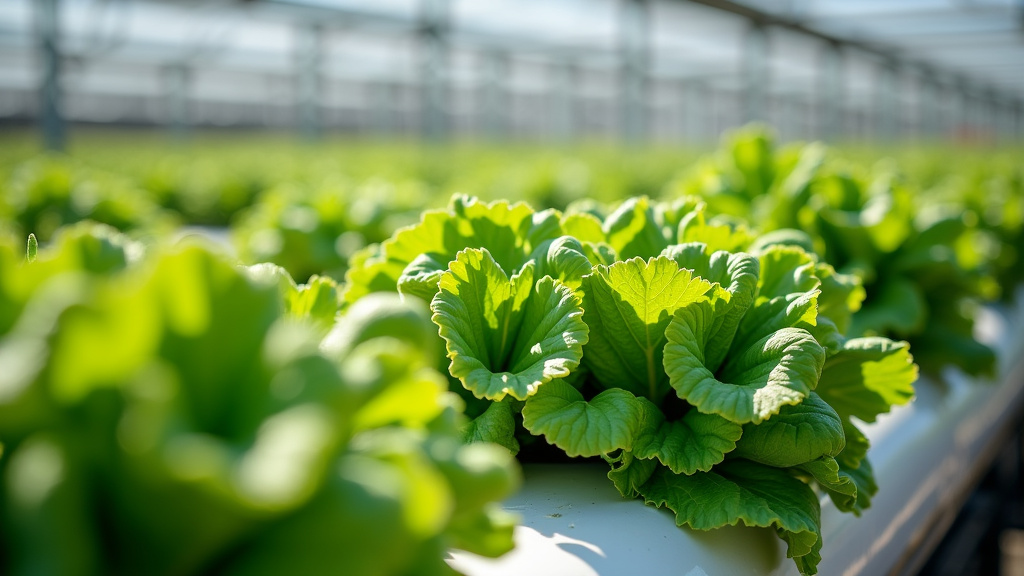
Think of hydroponics like a highly managed greenhouse. Instead of soil, which can harbor a variety of pests and pathogens, hydroponic systems use water enriched with essential nutrients. This method allows for precise control over the growing conditions.
This controlled environment is the key to understanding why hydroponic produce is safe. We’re not just talking about a little bit of control; we’re talking about a situation where variables are carefully monitored and managed.
Why No Soil Means Fewer Worries
Traditional farming relies on soil. Soil can be a wonderful medium for plant growth, but it can also be a source of problems. It can contain:
- Harmful bacteria like E. coli or Salmonella.
- Fungal diseases that can affect plant health.
- Pesticide residues from previous crops or environmental contamination.
- Heavy metals if the soil is polluted.
Hydroponic systems bypass these risks entirely. Because there’s no soil, many of the soil-borne contaminants that can affect your food are naturally eliminated. It’s like starting with a clean slate for every harvest.
The Role of Nutrient-Rich Water
In hydroponics, plants get their food from a carefully balanced nutrient solution dissolved in water. This solution is often: In hydroponics, plants get their food from a carefully balanced nutrient solution dissolved in water.
- Sterilized to remove any harmful microbes.
- Monitored for the correct pH and nutrient levels.
- Filtered to keep the water clean.
This ensures that plants receive exactly what they need to grow, without the added risks that come with soil. Many research studies have shown that the nutrient solutions themselves are carefully managed to prevent contamination (National Center for Biotechnology Information).
Minimizing Contamination Risks in Hydroponics
One of the biggest advantages of hydroponic growing is the ability to minimize contamination. When you grow indoors or in a controlled greenhouse, you have much more power over what comes into contact with your plants and water.
Pesticide Use: Often Non-Existent
A common concern for many consumers is pesticide residue. In a well-managed hydroponic system, the need for pesticides is drastically reduced, and often eliminated altogether. Why?
Because hydroponic farms are typically located indoors or in greenhouses. This provides a physical barrier against many common pests that plague outdoor crops. You might also find that pest management in these environments focuses on natural predators or beneficial insects, rather than chemical sprays.
We found that many hydroponic operations pride themselves on being pesticide-free. This can offer you peace of mind when you’re enjoying your salads or garnishes. It’s a significant benefit that differentiates it from some conventional farming practices (Cleveland Clinic).
Water Quality and Safety Checks
The water used in hydroponic systems is a critical component. Farmers pay close attention to its quality. Regular testing ensures the water is free from harmful bacteria and viruses.
Some large-scale operations even use methods like UV sterilization or ozonation to purify the water. This adds an extra layer of safety. Think of it like having a very sophisticated water filter for your plants.
Research highlights that maintaining water quality is a cornerstone of safe hydroponic production. Guidelines often recommend specific testing protocols to ensure water used in these systems is safe for consumption (Food and Drug Administration).
Hygiene Protocols: A Top Priority
Good agricultural practices (GAPs) are essential in all food production. For hydroponic growers, these practices often translate to even higher standards of cleanliness. Because the systems are contained, it’s easier to implement strict sanitation protocols.
This includes regularly cleaning and sanitizing the equipment, nutrient tanks, and growing channels. It’s a proactive approach to preventing any potential contamination before it can even start. Many industry standards require rigorous cleaning schedules.
Addressing Common Concerns and Misconceptions
Despite the scientific evidence supporting the safety of hydroponic produce, some questions and concerns may still linger. Let’s address a few of them.
What about the nutrients in the water?
The nutrients used in hydroponic systems are specifically formulated for plant growth. They are essentially mineral salts dissolved in water, much like the minerals plants absorb from the soil. These are not chemicals in a harmful sense.
They are the same essential elements that plants need to thrive, just delivered in a more direct and controlled manner. Reputable growers use food-grade nutrients that are safe for consumption. Experts confirm these mineral nutrients are safe and necessary for plant life (Mayo Clinic).
Can E. coli or Salmonella get into hydroponic systems?
While no system is entirely foolproof, hydroponic systems are designed to minimize the risk of such contamination. The controlled environment, clean water, and sterile growing media (if used) make it much harder for harmful bacteria to take hold compared to open fields.
If contamination does occur, the closed-loop nature of some systems means it can often be detected and addressed quickly, preventing widespread issues. Testing and strict hygiene are key deterrents.
Is it just “soilless” or is it actually healthy?
Hydroponic produce is just as nutritious as conventionally grown produce. Because plants receive a perfectly balanced supply of nutrients, they can often be healthier and more nutrient-dense. The absence of soil stress can allow plants to focus their energy on producing vitamins and minerals.
You are not sacrificing nutrition for safety. In fact, some studies suggest that certain hydroponically grown crops might even have higher levels of some vitamins and antioxidants. This is an area of ongoing research.
What to Look For When Buying Hydroponic Produce
To ensure you are getting the safest and best quality hydroponic produce, here are a few things you can keep in mind:
- Reputable Sources: Buy from farmers’ markets, grocery stores, or online retailers known for their quality and transparency.
- Certifications: Look for certifications that indicate adherence to food safety standards, though specific hydroponic certifications are still developing.
- Visual Inspection: As with any produce, inspect it for freshness and any signs of damage or spoilage.
- Ask Questions: Don’t hesitate to ask the farmer or seller about their growing practices.
Ultimately, your confidence in where your food comes from is paramount. Many growers are proud of their clean production methods and are happy to share information.
Key Takeaways for Your Peace of Mind
When you choose hydroponic produce, you’re often opting for a food grown with an extra layer of care and control. Here’s a quick checklist to remember:
- Hydroponic produce is grown in nutrient-rich water, not soil.
- The controlled environment reduces risks from soil-borne contaminants.
- Pesticide use is often minimal or nonexistent.
- Water quality and hygiene are closely monitored.
- Hydroponic produce is a nutritious and safe choice for your diet.
By understanding the methods behind hydroponic farming, you can feel more confident about the safety and quality of the delicious and fresh produce it provides.
Conclusion
You’ve learned that hydroponic produce is a safe and often cleaner choice for your table. The controlled environments eliminate soil-borne risks and allow for minimal pesticide use. You can trust that the nutrient-rich water systems are carefully managed for your well-being. By understanding these benefits, you can confidently incorporate this fresh produce into your diet. Next time you’re at the store or market, look for hydroponic options and enjoy the peace of mind that comes with knowing exactly how your food was grown.
Frequently Asked Questions
Can hydroponic produce cause foodborne illnesses?
While no food production is entirely risk-free, hydroponic systems are designed to minimize contamination. Strict hygiene protocols, clean water, and controlled environments significantly reduce the chances of harmful bacteria like E. coli or Salmonella entering the system compared to traditional farming. Reputable growers conduct regular testing to ensure safety.
Is the nutrient solution used in hydroponics safe to consume?
The nutrient solutions are essentially mineral salts dissolved in water, providing essential elements plants need to grow. These are food-grade nutrients, not harmful chemicals. They are similar to the minerals plants would absorb from healthy soil, just delivered in a more direct and controlled way.
Does hydroponic produce have fewer nutrients than soil-grown produce?
Not at all! Hydroponic produce is just as nutritious, and sometimes even more so. Because plants receive a perfectly balanced mix of nutrients, they can often focus their energy on producing vitamins and minerals. You aren’t sacrificing any nutritional value.
Are there specific safety certifications for hydroponic farms?
While dedicated hydroponic certifications are still developing, many hydroponic farms follow stringent Good Agricultural Practices (GAPs). You can look for general food safety certifications or ask growers about their specific safety and quality control measures. Transparency is key for building trust.
What should I do if I’m still concerned about buying hydroponic produce?
It’s always wise to buy from trusted sources. Purchase from reputable retailers, farmers’ markets, or growers you know practice high standards. Don’t hesitate to ask questions about their growing methods and safety procedures. Most hydroponic farmers are happy to share their commitment to producing safe, quality food.
