
Is Buying a Grow Light Worth It for Houseplants?
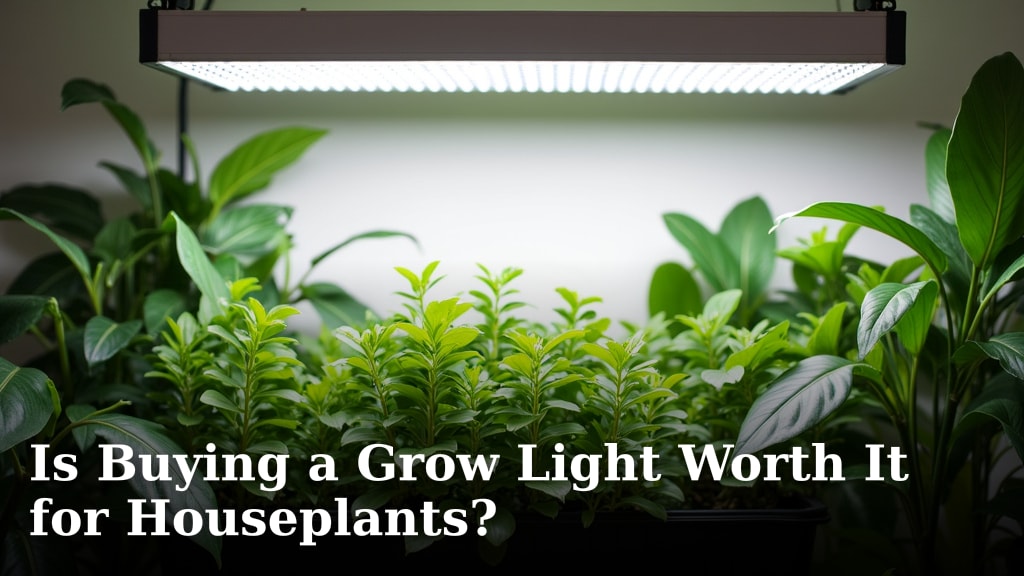
Yes, buying a grow light is absolutely worth it for most houseplants, especially if your home doesn’t get enough natural sunlight. A good grow light can mean the difference between a struggling plant and a thriving green companion. It provides the essential light spectrum plants need for photosynthesis when daylight hours are short or windows are dim.
Many plant parents worry about their leafy friends looking a bit sad or leggy. We found that supplemental lighting can dramatically improve plant health, encouraging bushier growth and more vibrant colors. It’s a fantastic tool for anyone wanting to expand their indoor jungle, even in less-than-ideal lighting conditions. It’s a smart investment for happy plants.
- Grow lights can significantly improve plant health and growth.
- They are essential for homes with limited natural sunlight. They are essential for homes with limited natural sunlight, and this guide explains how to grow indoor plants without direct sun.
- Choose lights that offer the right spectrum for plant needs.
- This is especially helpful for flowering or fruiting houseplants.
- Using a grow light is a cost-effective way to keep plants happy long-term.
Let’s break down if a grow light is the right choice for your specific situation and what to look for.
Is Investing in a Grow Light Truly Beneficial for Your Houseplants?
If your leafy friends are looking a little sad, you’re not alone. Many plant parents wonder if buying a grow light is worth the cost and effort. We found that for most homes, a grow light can be a game-changer for plant health. It provides the essential light plants need to thrive, especially when natural sunlight is scarce.
Understanding Plant Light Needs
Plants need light for photosynthesis. This is how they make their own food. Natural sunlight provides a full spectrum of light. Most houseplants are adapted to grow in dappled light under a forest canopy. This means they don’t always need direct, intense sun. However, they still need a certain amount of light energy to survive and grow.
When your home doesn’t get enough natural light, your plants can start to suffer. You might see them stretch towards the nearest window. This is called etiolation, and it results in weak, leggy growth. The leaves might also be smaller and paler than they should be. This is a clear sign they’re not getting enough energy. We found that a grow light can effectively supplement or replace this missing sunlight.
When a Grow Light Becomes a Necessity
Some homes are naturally dimmer than others. North-facing windows, tall buildings blocking the sun, or even just a preference for softer indoor light can all mean less natural light for your plants. If your plants are showing signs of distress, like yellowing leaves or slow growth, it’s a strong indicator they need more light.
Certain types of houseplants are also more light-hungry than others. Cacti and succulents, for example, generally need very bright light to thrive. Many flowering plants and those with colorful foliage also require more light to maintain their vibrant hues. If you’re trying to get your Monstera deliciosa to produce those iconic fenestrations or encourage your orchid to bloom, proper lighting is key.
How Grow Lights Work Their Magic
Grow lights mimic the sun’s light spectrum. They emit specific wavelengths of light that plants use for photosynthesis. These lights come in various types, each with its own pros and cons. The goal is to provide your plants with the right kind of light at the right intensity and duration.
The spectrum of light is crucial. Plants primarily use red and blue wavelengths for photosynthesis. Red light encourages flowering and fruiting. Blue light promotes vegetative growth, like healthy leaves and stems. Many modern grow lights are designed to emit a balance of these colors, often appearing as white or pinkish light to the human eye. We found that full-spectrum lights are generally the most versatile.
Types of Grow Lights Available
There are several common types of grow lights you’ll encounter. Each has its own advantages for different situations and plant needs.
Incandescent and Halogen Lights
These are generally not recommended for serious plant growing. They produce a lot of heat and are not very energy efficient. Their light spectrum is also not ideal for plant growth. You’d need a very high wattage to get enough usable light, and the heat could damage your plants.
Fluorescent Lights (CFLs and Tubes)
Compact Fluorescent Lights (CFLs) and linear fluorescent tubes are a popular choice for many. They are relatively inexpensive, energy-efficient, and produce less heat than incandescent bulbs. They are great for seedlings, herbs, and plants that don’t require extremely high light levels.
The main drawback is that they need to be placed quite close to the plants, typically only a few inches away. This can sometimes be tricky to arrange aesthetically. We found that fluorescent tubes, especially T5 types, offer a good balance of light intensity and energy efficiency.
LED Grow Lights
Light Emitting Diodes (LEDs) are the most energy-efficient option available today. They also produce very little heat, which means you can place them closer to your plants without the risk of burning them. LEDs have a long lifespan, making them a cost-effective investment over time.
LEDs come in a wide range of spectrums and intensities. You can find full-spectrum LEDs that mimic natural sunlight, or specialized lights that target specific wavelengths. While the initial cost of LED lights can be higher, their efficiency and longevity often make them the best long-term choice. Many experts say LEDs are the future of indoor growing (National Gardening Association).
Factors to Consider When Buying a Grow Light
Choosing the right grow light can feel overwhelming. Here are a few key factors to guide your decision. Think about what will work best for your space and your plants.
Light Spectrum
As we discussed, the spectrum is vital. For general houseplants, a full-spectrum light is usually the best bet. This provides a balance of all the colors plants need for healthy growth, flowering, and fruiting. If you have specific plants with unique needs, you might consider specialized spectrums, but full-spectrum is a safe and effective starting point.
Wattage and Intensity (PPFD)
Wattage is a common way to measure a light’s power, but it doesn’t always tell the whole story about how much usable light your plants will receive. A more precise measurement is Photosynthetic Photon Flux Density (PPFD). This measures the number of photons (light particles) that reach your plant’s leaves within a specific area and time frame.
Different plants have different PPFD needs. Low-light plants might be happy with 100-300 µmol/m²/s. Medium-light plants prefer 300-600 µmol/m²/s. High-light plants, like flowering or fruiting varieties, might need 600-1000 µmol/m²/s or even more (University of Maryland Extension). Many grow light manufacturers will provide PPFD charts for their products, which is very helpful.
Coverage Area
Consider how much space you need to cover. A small desk lamp might be perfect for a single succulent. A larger panel light will be needed for a shelf full of plants or a grow tent. Make sure the light you choose has adequate coverage for all your plants without creating dark spots.
Heat Output
As mentioned, LEDs produce very little heat. This is a major advantage. Lights that produce a lot of heat can dry out your plants or even scorch their leaves if placed too close. You’ll want to ensure the light you choose won’t negatively impact your plant’s environment.
Energy Efficiency and Cost
While initial cost is a factor, think about long-term savings. Energy-efficient lights like LEDs will cost less to run over time. Compare the purchase price with the estimated electricity usage and the lifespan of the bulb or fixture.
Making the Decision: Is it Worth It for You?
So, is buying a grow light worth it? For many of you, the answer is a resounding yes. If your home is on the dimmer side, or if you find your plants struggling to get enough light, a grow light can be an excellent investment.
Consider these points when making your final decision:
- Are your plants showing signs of low light (legginess, pale leaves)?
- Do you have limited natural light in your home?
- Are you trying to grow specific plants that require higher light levels?
- Do you want to extend your growing season or grow plants year-round?
- Are you looking for a way to keep your plant collection healthy and vibrant?
If you answered yes to any of these, then a grow light is likely a worthwhile addition to your plant care routine. It’s about giving your plants the best possible chance to thrive and becoming a more successful plant parent. You’re not just buying a light; you’re investing in the health and beauty of your indoor garden.
Common Grow Light Setups and Their Uses
To help you visualize, let’s look at some common setups:
| Setup Type | Best For | Considerations |
|---|---|---|
| Desk Lamps / Clip-on Lights | Single small plants, herbs, seedlings | Portable, adjustable, good for one or two plants |
| Fluorescent Tubes (T5/T8) | Seedling trays, shelves of plants, herbs | Good coverage, affordable, needs to be close to plants |
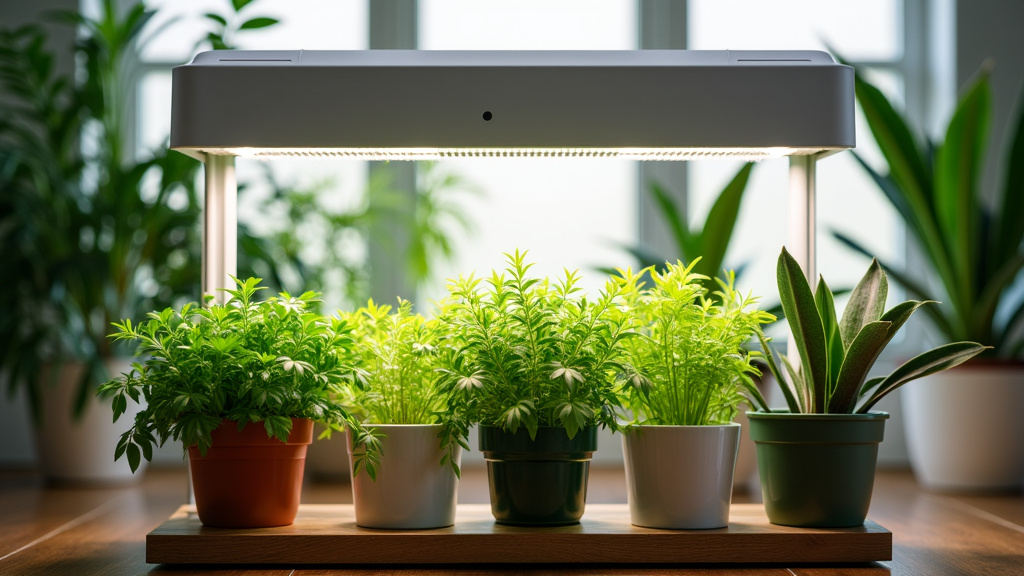
| LED Panels / Bars | Larger areas, grow tents, collections of plants | High efficiency, excellent spectrum control, can be more expensive |
| Bulb Replacements (E26/E27 base) | Existing lamps, adding light to specific spots | Easy to use, choose full-spectrum for best results |
We found that LED panels and bars offer the most flexibility for a growing collection. They provide powerful light over a wider area. If you’re just starting out, a simple clip-on LED or a fluorescent tube can be a great way to test the waters.
Conclusion
You’ve learned that investing in a grow light is a smart move for most houseplant owners. When natural light is limited, these lights provide the necessary spectrum for photosynthesis and healthy growth. We found that they can transform struggling plants into vibrant additions to your home. Don’t let dim conditions hold back your indoor jungle dreams. Consider your plants’ needs and your home’s light levels to choose the best option.
Your next step is to assess your space and plants. Look at the signs your plants are giving you and select a grow light that fits your needs and budget. Happy growing!
Frequently Asked Questions
How long should I leave a grow light on for my houseplants?
For most houseplants, aim for 12-16 hours of light per day. This mimics a natural daylight cycle. You can use a timer to automate this process, making it easier to maintain consistency for your plants.
Can I use a regular LED bulb as a grow light?
While some regular LED bulbs offer a broad spectrum, they are not optimized for plant growth. True grow lights provide specific wavelengths of light that plants need for photosynthesis. It’s best to choose a light marketed as a grow light for optimal results.
Will a grow light increase my electricity bill significantly?
The impact on your electricity bill depends on the type and wattage of the grow light you use. Energy-efficient options like LEDs are designed to consume less power. Using a timer can also help manage electricity usage.
How close should I place a grow light to my plants?
This varies by light type and intensity. LEDs produce less heat, so they can be placed closer, often just a few inches away. Fluorescent lights need to be closer, typically within 4-6 inches, to be effective. Always check the manufacturer’s recommendations.
What is the difference between full-spectrum and colored grow lights?
Full-spectrum grow lights mimic natural sunlight, offering a balanced mix of all the colors plants need. Colored grow lights (often red and blue) target specific wavelengths for photosynthesis. For general houseplants, full-spectrum is usually the most versatile and recommended choice.
