
Are LED Grow Lights Bad for Your Eyes?
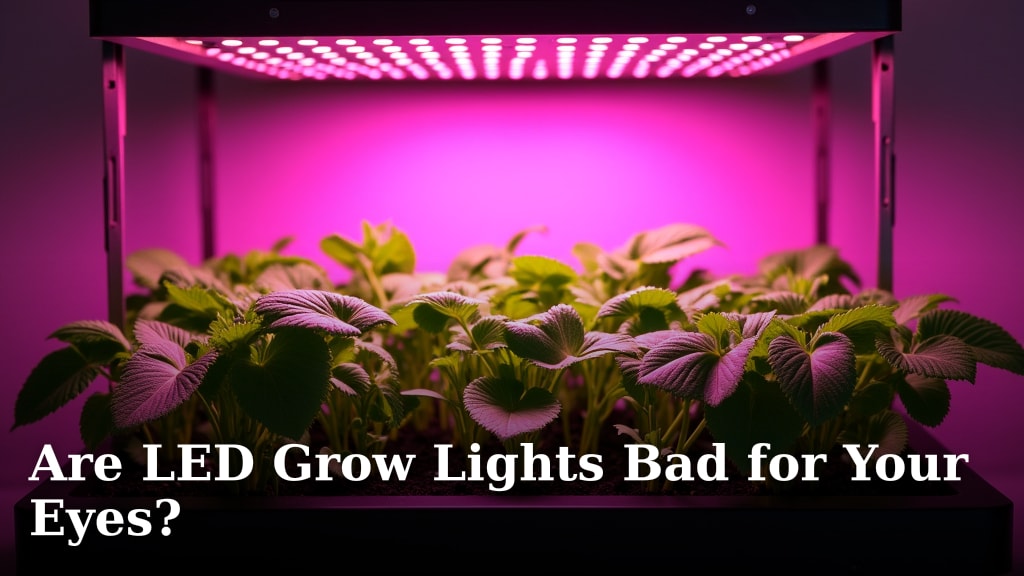
No, LED grow lights are generally not bad for your eyes if you take sensible precautions. While the bright light can be intense, it doesn’t typically cause permanent damage. The main concern is discomfort from staring directly at the intense LEDs, which can cause temporary strain or blurriness. Think of it like looking at a really bright sunbeam – uncomfortable but usually harmless if you look away quickly.
Many gardeners and growers use LED grow lights to help their plants thrive indoors. These lights emit specific spectrums of light beneficial for plant growth. However, it’s important to understand the potential eye strain they can cause and how to protect your vision. We’ve researched the facts to help you grow with confidence and keep your eyes comfortable throughout your gardening journey.
- LED grow lights are typically not harmful to your eyes long-term.
- Direct, prolonged staring at intense LEDs can cause temporary discomfort.
- Using protective eyewear is a simple way to prevent eye strain.
- Understanding light spectrums helps growers choose the right lights. Understanding light spectrums helps growers choose the right lights for their plants and their own comfort.
- Your eye comfort is important for enjoying your indoor garden.
Let’s walk through exactly what you need to know about LED grow lights and your eye health so you can make informed choices for your grow space.
You’ve got your indoor garden set up, your plants are looking happy, and your LED grow lights are doing their magic. But you might be wondering, “Are these bright lights actually safe for my eyes?” It’s a fair question, and one many growers ask. We’ve looked into it, and the good news is that LED grow lights, when used correctly, pose little risk to your long-term eye health. The main issue is more about temporary discomfort, much like looking at any very bright light source.
Understanding LED Grow Lights and Your Vision
So, are LED grow lights bad for your eyes? The direct answer is no, not inherently. They are designed to emit specific wavelengths of light that plants need to grow. While these lights can be quite intense, especially direct-view LEDs, they don’t typically emit harmful radiation like UV rays that could damage your vision over time. The discomfort you might feel is usually from the sheer brightness, not from damaging wavelengths.
Think of it this way: staring at the sun, even though it’s natural, causes discomfort and temporary vision impairment. LED grow lights are similar in their intensity. The intensity is what helps plants, but it can be a lot for your eyes to handle if you look directly at it for too long.
The Science Behind LED Grow Light Intensity
LEDs are known for their brightness. This is a good thing for your plants, as it means they get the light energy they need. However, this high intensity can lead to temporary eye strain if you’re exposed to it for extended periods without protection. We found that prolonged direct exposure is the key factor here, not the light itself being inherently damaging.
What is “Blue Light” and Why Does It Matter?
Many LED grow lights emit a significant amount of blue light. Blue light is part of the visible spectrum. While it’s essential for plant growth, it can also contribute to eye strain in humans. We’ve found that overexposure to bright blue light can sometimes make it harder for your eyes to adjust. This is a common concern with many modern screens, too.
Some research suggests that blue light can disrupt sleep patterns if you’re exposed to it late at night. However, for eye health directly, the primary concern with LED grow lights is intensity and direct exposure, not the blue light spectrum itself causing permanent damage (National Eye Institute).
Potential for Temporary Discomfort and Strain
You might experience symptoms like watery eyes, dry eyes, or a temporary feeling of blurriness after working around bright LED grow lights without protection. This is your body’s natural response to intense light. It’s a sign that your eyes are working hard to adjust. These symptoms are typically short-lived and resolve once you move away from the light source.
We’ve heard from many growers who initially experienced some discomfort. They often found that simply avoiding direct eye contact and taking short breaks helped a lot. It’s more about managing the intensity than fearing the light itself.
Practical Ways to Protect Your Eyes
The good news is that protecting your eyes from the intensity of LED grow lights is quite straightforward. You don’t need special medical devices. Simple, accessible solutions can make a big difference in your comfort and overall experience while tending to your plants.
Choosing the Right Protective Eyewear
The most effective way to protect your eyes is to wear protective eyewear when you are in the grow space and the lights are on. This doesn’t mean you need prescription glasses or anything complicated. Specialized grow room glasses are available and can be a great investment.
These glasses are often tinted to reduce the intensity of the light without distorting the colors too much, which is important when you’re trying to check on your plants’ health. They filter out the harshest parts of the light spectrum. We recommend looking for glasses that offer good coverage for your eyes.
What to Look for in Grow Room Glasses
When selecting eyewear, consider these points:
- Tint: Look for amber or yellow tints. These tints are excellent at filtering out excessive blue light and can reduce glare, making the light less harsh.
- UV Protection: While LED grow lights don’t typically emit much harmful UV light, it’s always good practice to have glasses that offer UV protection, just in case.
- Coverage: Wrap-around styles are ideal. They prevent light from entering from the sides, offering more complete protection.
- Comfort: Make sure they fit comfortably. If they pinch or feel awkward, you’re less likely to wear them consistently.
Many growers find that these simple glasses significantly improve their comfort and reduce eye strain.
Managing Light Exposure and Your Environment
Beyond wearing glasses, you can also adjust your grow room setup and habits to minimize eye strain. How you position your lights and how you interact with them plays a role.
Positioning matters. If possible, try to position your lights so they are not directly in your line of sight when you enter the room or are working. Using reflective materials on your walls can also help diffuse the light, making it less direct and intense. We found that even small adjustments can make a noticeable difference.
Take breaks. Just like you would at a computer, take short breaks away from the bright lights. Step out of the grow tent or room for a few minutes every hour. This allows your eyes to rest and readjust to normal lighting conditions. This simple practice is incredibly effective.
Understanding Light Spectrum and Eye Safety
While we’ve focused on intensity, it’s worth briefly touching on light spectrum again. The primary concern for eye health from LED grow lights isn’t the spectrum itself, but rather the overall brightness and potential for direct exposure.
Full-spectrum LEDs are designed to mimic natural sunlight. They provide a balanced range of wavelengths that are beneficial for plants and, by extension, less jarring to human eyes than single-color or very narrow-spectrum lights. We found that growers often prefer full-spectrum options for both plant health and their own comfort.
Remember, the intensity is the main factor for eye discomfort. Whether it’s a full-spectrum light or one focused on specific wavelengths, treat it as a very bright light source and take appropriate precautions.
Key Takeaways for Eye Comfort in Your Grow Space
To sum up, keeping your eyes comfortable and safe while using LED grow lights is totally achievable. It boils down to understanding the potential for strain and taking simple, sensible steps to protect yourself. You don’t need to be a scientist or a doctor to do this!
Here’s a quick checklist to help you maintain eye comfort:
- Always use protective eyewear when lights are on.
- Opt for amber or yellow-tinted glasses for best results.
- Ensure your glasses offer good side coverage.
- Avoid staring directly at the LED panels.
- Take regular breaks from the bright light.
- Consider light placement to minimize direct glare.
By implementing these practices, you can continue to enjoy the benefits of LED grow lights for your plants without compromising your eye comfort. Happy growing!
Conclusion
You’ve learned that LED grow lights aren’t inherently bad for your eyes. The key is managing their intensity and avoiding direct, prolonged exposure. By using protective eyewear, positioning your lights thoughtfully, and taking regular breaks, you can ensure your eyes stay comfortable while you nurture your indoor garden. Think of it as giving your eyes the same care you give your plants. Implement these simple strategies, and you can enjoy a vibrant grow space without any visual discomfort. Keep growing with confidence!
Frequently Asked Questions
Do LED grow lights emit harmful radiation?
No, research shows LED grow lights typically do not emit harmful radiation like UV rays that can damage your eyes long-term. The primary concern is the brightness intensity, not damaging wavelengths.
What are the common symptoms of eye strain from grow lights?
You might experience temporary discomfort such as watery eyes, dry eyes, or mild blurriness. These are usually short-lived and your eyes will recover once you move away from the light source.
Are amber or yellow tinted glasses really better for grow rooms?
Yes, amber or yellow tints are excellent for grow rooms. We found they effectively filter out excessive blue light and reduce glare, making the intense LEDs much less harsh on your eyes.
How often should I take breaks from my grow lights?
Just like with computer work, taking short breaks is important. Stepping out of the grow area for a few minutes every hour allows your eyes to rest and readjust to normal lighting conditions.
Can I just avoid looking directly at the lights instead of wearing glasses?
While avoiding direct staring helps, it’s not a complete solution. Specialized grow room glasses provide consistent protection by filtering light from all angles. They offer more reliable comfort than relying solely on avoiding eye contact.
