
Why Are My Plants Stretching Toward the Grow Light?
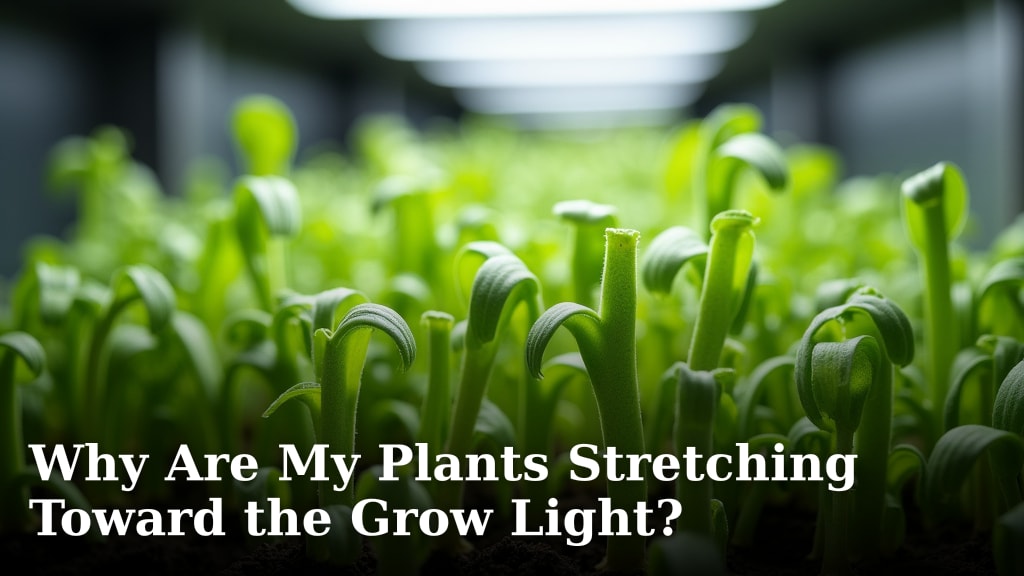
Your plants are stretching toward the grow light because they are looking for more light. This behavior, known as etiolation, happens when plants don’t get enough light. They stretch their stems and leaves to reach a brighter spot. It’s your plant’s way of shouting, “Feed me, light!”
Understanding why your plants stretch is key to healthy growth. It’s a sign that their environment needs adjustment. Too much stretching can lead to weak, leggy plants. We found that addressing light needs early prevents many common growing problems. This helps your plants become strong and vibrant.
- Plants stretch for more light.
- This is called etiolation.
- It means your plants are not getting enough light.
- Stretching can make plants weak.
- Fixing light issues helps plants grow strong.
Let’s dive into why this happens and what you can do to help your leafy friends thrive under your grow light.
“`htmlWhen Your Plants Lean In: Understanding Light Hunger
When you notice your plants angling their leaves and stems towards your grow light, it’s a clear signal. They’re essentially saying, “Hey, more light over here, please!” This behavior is your plant’s way of telling you it needs a brighter environment. It’s a natural response to insufficient light, often referred to as etiolation.
This stretching is your plant’s survival instinct kicking in. It’s trying to maximize its exposure to any available light source. Think of it like you reaching for a cookie jar just out of reach. Your plant is doing the same, but with light! We’ve observed that even slight light deficiencies can trigger this response, leading to weaker growth if not addressed promptly.
The Science Behind the Stretch: Why Etiolation Happens
Etiolation is a well-documented plant response. Plants have evolved to find the best light conditions for photosynthesis. When light is scarce, they enter a “search mode.” This involves elongating stems and increasing leaf size. The goal is to reach a more optimal light source.
The Role of Photoreceptors
Plants have special sensors called photoreceptors. These detect light levels and quality. When light is weak, these sensors signal the plant to grow. They trigger hormones that encourage stem elongation. This helps the plant move towards a brighter spot. Research from plant physiology studies confirms this hormonal response is key (NCBI).
What “Not Enough Light” Really Means
Not enough light doesn’t just mean a dimmer room. It can also mean the light isn’t the right spectrum. Or, the light source is too far away. Your grow light might be powerful, but if it’s positioned incorrectly, your plants won’t benefit fully. We found that distance is often the culprit for stretching.
If your grow light is too far, the intensity reaching the plant canopy is reduced. Even a high-wattage light can be insufficient if not placed close enough. This is why understanding your light’s coverage and intensity is so important. Many growers overlook this crucial detail, leading to the stretching you’re seeing. Understanding your light’s coverage and intensity is so important; many growers overlook this crucial detail, leading to the stretching you’re seeing.
Beyond Light: Other Contributing Factors
While light is the primary driver, other factors can exacerbate stretching. Sometimes, high temperatures can cause plants to grow faster. This rapid growth can outpace their ability to gain sufficient light. This makes them appear more “leggy.”
Nutrient imbalances can also play a role. If a plant is deficient in certain nutrients, like phosphorus, it might respond by stretching. This is less common than light-related stretching. But it’s worth considering if you’ve ruled out light issues. We recommend a balanced nutrient solution for most indoor grows.
Signs Your Plants Are Getting Too Little Light
Besides the obvious stretching, there are other indicators. Your plants might look pale or yellowish. This is because they aren’t producing enough chlorophyll. Chlorophyll is the green pigment that captures light energy. Without enough light, chlorophyll production drops.
Leggy Stems and Sparse Leaves
You’ll notice that the stems become unusually long and thin. The space between leaves, called internodes, will increase dramatically. Leaves may also appear smaller and sparser than normal. This gives the plant a weak and spindly appearance. We call this being “leggy,” and it’s a sure sign of stress.
Lack of Vigor and Weakness
Etiolated plants lack structural integrity. They can easily fall over or break. They are also more susceptible to pests and diseases. Their weakened state means they can’t defend themselves effectively. This is why addressing the light issue quickly is so important for long-term plant health.
Optimizing Your Grow Light Setup: The Key to Healthier Plants
The good news is that you can fix this! Adjusting your grow light setup is the most direct solution. Your goal is to provide consistent, adequate light to your plants.
Adjusting Light Distance
The first step is often to lower your grow light. Check the manufacturer’s recommendations for your specific light. Many LED grow lights can be placed closer than older HID lights. We found that reducing the distance by just a few inches can make a significant difference.
If your light is too far away, the intensity at the plant canopy is low. This forces the plant to stretch. Lowering the light increases the light intensity directly. This signals to the plant that it doesn’t need to stretch anymore. It can then focus on growing strong and bushy.
Ensuring Proper Light Spectrum
Different stages of plant growth require different light spectrums. Seedlings and young plants often benefit from more blue light. This encourages compact, bushy growth. Mature plants, especially during flowering, need more red light.
Most modern full-spectrum LED grow lights provide a good balance. However, if you’re using specialized lights, ensure they’re appropriate for your plants’ current stage. We’ve seen growers have success by using a “veg” light for vegetative growth and a “bloom” light for flowering.
Determining Light Duration (Photoperiod)
Plants also need periods of darkness to rest and process energy. Most vegetative plants thrive on 16-18 hours of light per day. Flowering plants typically need 12 hours of light and 12 hours of uninterrupted darkness.
Ensure your light timer is set correctly. Any light pollution during the dark period can stress some plants. This can disrupt their growth cycles. Consistent photoperiods are vital for healthy development. Many horticultural guides recommend strict adherence to light schedules (University Extension Services).
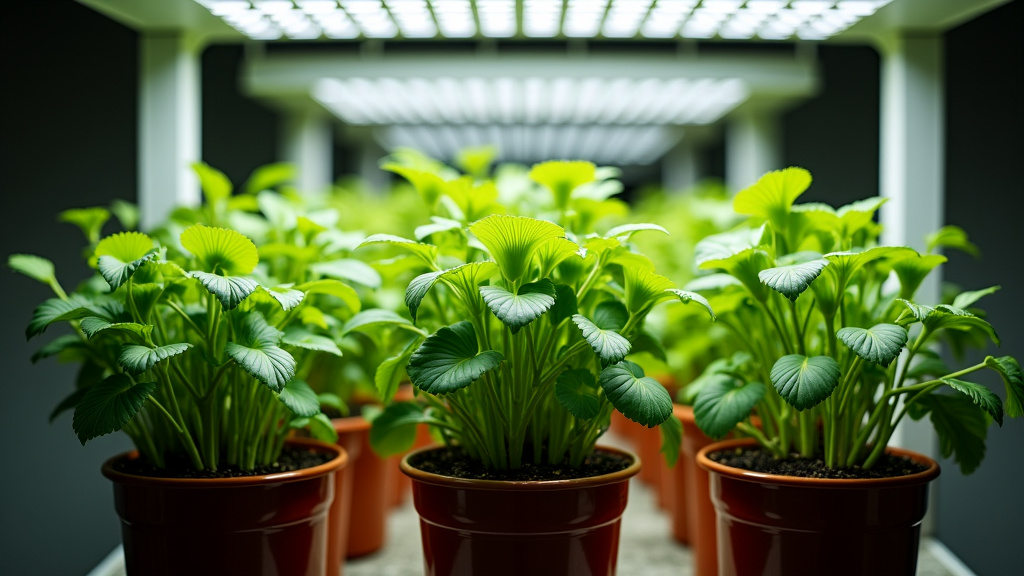
A Quick Checklist for Happy Plants
Here’s a simple checklist to help you diagnose and fix stretching issues:
- Check Light Distance: Is your grow light too far away?
- Observe Plant Height: Are your plants growing taller quickly with sparse leaves?
- Examine Leaf Color: Are your plants pale or yellowish?
- Review Light Timer: Is your light schedule consistent with periods of darkness?
- Consider Light Spectrum: Is your light suitable for your plants’ growth stage?
- Check Temperature: Are temperatures consistently too high?
When to Seek More Information
If your plants continue to stretch despite adjustments, you might have a more complex issue. Sometimes, the genetics of a particular plant can lead to naturally taller growth. Other times, a combination of factors is at play.
Don’t hesitate to consult resources specific to your plant type. Different species have unique light requirements. We found that consulting experienced growers or plant-specific forums can offer tailored advice. Your plant’s stretching is a sign, and understanding it is the first step to a thriving indoor garden.
Conclusion
Seeing your plants stretch towards the light is a clear signal they need more. This behavior, known as etiolation, means your plants are searching for adequate brightness. By adjusting your grow light’s distance, spectrum, and duration, you can provide the energy they need. We’ve found that addressing these light factors quickly leads to robust, healthy plants. Take a moment today to check your grow light setup. Ensure it’s positioned correctly and running on the right schedule. Your plants will thank you with vigorous growth!
Frequently Asked Questions
How close should my grow light be to my plants?
The ideal distance varies by light type and wattage, so always check the manufacturer’s recommendations. Generally, you want the light close enough to provide intensity without burning the leaves. We found that lowering the light a few inches at a time is a good way to test. Watch for stretching and adjust accordingly.
Can too much heat from a grow light cause stretching?
While light is the primary cause of stretching, excessive heat can sometimes contribute. High temperatures can encourage rapid growth, which might outpace light absorption. Ensure your grow area has good ventilation. This helps manage temperatures and supports healthy, balanced growth.
My plants are stretching, but my grow light is on 16 hours a day. What else could it be?
If your light duration seems adequate, re-evaluate the light’s intensity and spectrum. The light might be too weak, the wrong type for the plant’s stage, or too far away. Consider if there’s any light pollution during the dark period, which can also affect growth. We recommend checking these factors first.
Are some plant varieties naturally “leggier” than others?
Yes, genetics play a role in plant growth habits. Some plant species or even specific cultivars are naturally taller or more prone to stretching. If you’ve optimized all light conditions and your plants are still stretching, it might be their natural tendency. Focus on providing the best possible light to minimize excessive legginess.
How do I know if my grow light has the right spectrum for my plants?
For seedlings and vegetative growth, a spectrum with more blue light is beneficial for compact growth. Flowering plants generally need more red light. Full-spectrum lights offer a balance, but if you’re seeing consistent stretching, consider if your light’s spectrum is appropriate for your plants’ current stage. Researching your specific plant’s needs is key.
