
Can You Use LED Strip Lights to Grow Plants?
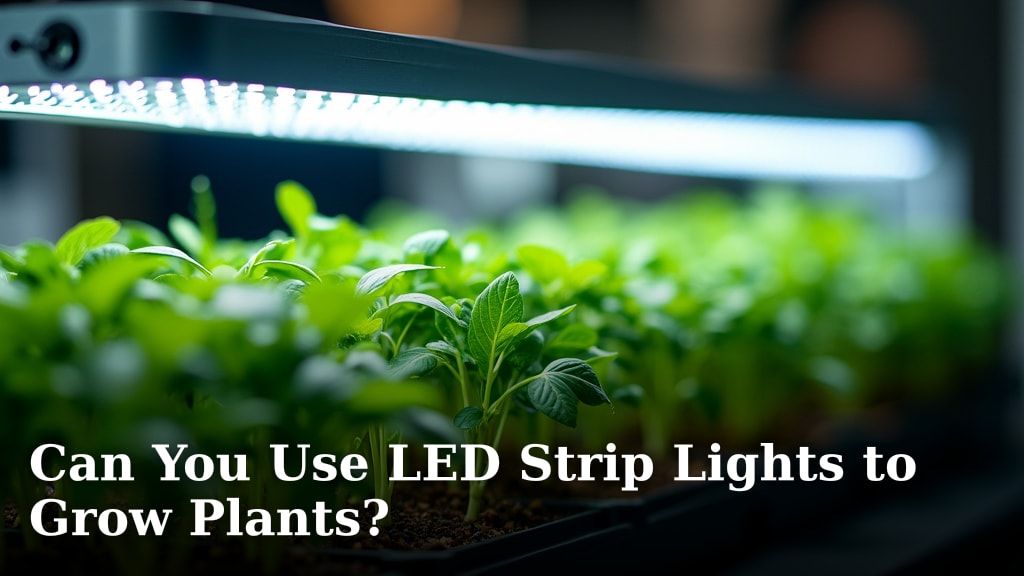
Yes, you absolutely can use LED strip lights to grow plants, and it’s often a Yes, you can absolutely use regular LED lights to grow plants, but with some important caveats.surprisingly effective solution for indoor gardening. When chosen correctly, these lights provide the specific wavelengths of light your plants need to thrive, making them a great budget-friendly option for starting seeds or supplementing natural light. You might be surprised how well your little green friends can grow under them!
Many home growers wonder about the best lighting for their leafy companions. We found that LED strips are a popular choice because they are energy-efficient and generate less heat than traditional grow lights. This means you can place them closer to your plants without worrying about scorching them, which is a huge plus for small spaces.
- LED strip lights can grow plants effectively.
- They offer specific light wavelengths plants need.
- They are energy-efficient and produce less heat.
- Great for small spaces and supplementing light.
Below, we’ll walk you through exactly what you need to know about using LED strip lights for your plants, from picking the right ones to setting them up for success.
Growing Plants with LED Strip Lights: Your Guide
Yes, you can absolutely grow plants using LED strip lights! Many indoor gardeners have found success with them. They offer a flexible and affordable way to give your plants the light they need. You might be surprised at how well your herbs or seedlings can flourish. It’s a fantastic option for supplementing natural light or for dedicated grow setups.
Understanding Plant Light Needs
Plants need light for photosynthesis. This is how they make their food. Different plants have different light requirements. Some need a lot of bright light. Others prefer more shade. The type of light matters too. It’s not just about brightness. It’s about the colors or wavelengths of light.
The Light Spectrum Explained
Light is made up of different colors. Think of a rainbow. Plants primarily use blue and red light. Blue light helps with leafy growth and stem development. Red light is crucial for flowering and fruiting. A light that has a good mix of these colors is often called a “full-spectrum” light. This helps mimic natural sunlight.
Why LED Strip Lights Are a Smart Choice
LEDs are known for their energy efficiency. They use less electricity than older lighting technologies. This can save you money on your power bill. They also produce very little heat. This is a big advantage. You can place them closer to your plants without fear of burning them. This is especially helpful in small growing spaces.
Comparing LEDs to Other Grow Lights
Traditional grow lights, like HPS (High-Pressure Sodium) or metal halide lights, can be very powerful. However, they also generate a lot of heat. This often requires ventilation systems to keep the temperature down. Fluorescent lights are another option. They are cooler than HPS but less efficient than LEDs. Many growers find LEDs offer the best balance of performance, heat output, and energy use for their needs.
Choosing the Right LED Strip Lights for Your Plants
Not all LED strip lights are created equal. You need to pick ones designed for growing plants. Look for specifications that tell you about the light output and spectrum. This ensures you’re getting the right kind of light for your green friends.
Key Features to Look For
When shopping, pay attention to a few things. You’ll want to know about the wattage. This gives you an idea of the power draw. Also, look for information on the light spectrum. Some strips are labeled “full spectrum.” Others might specify red and blue LEDs. The color temperature (measured in Kelvin, K) can also be a clue. Cooler temperatures (higher K) tend to have more blue light. Warmer temperatures (lower K) have more red light. For general plant growth, a range of 5000K to 6500K is often recommended.
Understanding PPFD and PAR
These terms sound technical, but they are important. PAR stands for Photosynthetically Active Radiation. This is the range of light wavelengths that plants use for photosynthesis. PPFD (Photosynthetic Photon Flux Density) measures how much of that PAR light actually reaches your plants. A higher PPFD generally means more light energy is available for growth. Manufacturers might provide PPFD charts. These show the light intensity at different distances from the fixture.
We found that many budget-friendly LED strips don’t list PPFD. If this information is missing, look for reviews or specifications that mention plant growth. Some brands might provide an estimate of their light’s effectiveness for specific plant types.
What About Color? Red and Blue vs. Full Spectrum
You’ll often see LED grow lights that are just red and blue. These can be very effective. They provide the specific wavelengths plants need for growth and flowering. However, they can make your plants look a bit strange, bathed in purple light. Full-spectrum lights aim to provide a more balanced light that is easier on your eyes and provides a broader range of beneficial wavelengths.
For seedlings and leafy greens, a good mix of blue and red is essential. For flowering plants, you might want lights with a stronger red component. Many growers find a full-spectrum light to be the most versatile choice, especially for a mixed collection of plants. We’ve seen research suggesting that a balanced spectrum promotes healthier overall plant development (NCBI).
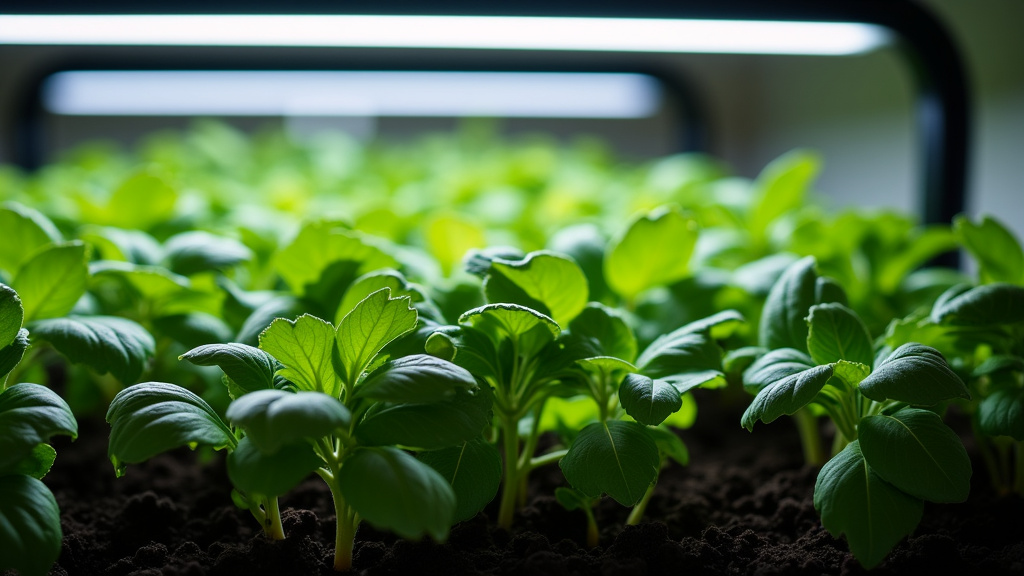
Setting Up Your LED Strip Lights for Success
Once you have your lights, proper setup is key. Placement and duration make a big difference. You want to ensure your plants are getting the right amount of light without overdoing it.
Determining Placement and Distance
The distance between your LED strip lights and your plants is critical. Too far, and the light is too weak. Too close, and you risk “light burn,” even with LEDs. For most LED strips, starting about 6-12 inches above the plant canopy is a good rule of thumb. If your plants start to look stressed (scorched leaves, pale color), move the lights further away.
For seedlings, start with the lights a bit higher. You can slowly lower them as the seedlings grow stronger. Some LED strips are designed to be placed very close to plants, even touching the foliage. Always check the manufacturer’s recommendations for your specific product. We found that adjusting the height based on how your plants are responding is often the best approach. For seedlings, start with the lights a bit higher, and this guide covers the best seedling lights.
How Long Should You Leave Them On?
Plants need a “lights out” period. This is when they rest and perform other life processes. Most common houseplants and herbs need about 12-16 hours of light per day. Seedlings might need a bit more, up to 16-18 hours. Flowering plants often benefit from a strict 12 hours on and 12 hours off cycle to trigger blooming.
Using a simple timer is the easiest way to manage this. Plug your LED light strip into a timer and set it for your desired duration. This ensures consistency, which plants love. Overly long light periods can sometimes stress plants or lead to leggy growth.
Powering Your LED Strips
Most LED strip lights come with a power adapter. You’ll plug the strip into the adapter and then plug the adapter into a wall outlet. Make sure the adapter’s wattage rating is appropriate for the length of the LED strip you are using. Some longer strips might require more powerful adapters. It’s also wise to check if the lights are rated for damp environments if you plan to use them in a humid greenhouse or near a watering station.
Tips for Maximizing Growth with LED Strips
Using LED strips effectively involves a few smart practices. These simple steps can help you get the most out of your lighting setup and help your plants thrive.
- Monitor your plants closely. Watch for signs of stress like yellowing leaves or wilting. Adjust light distance and duration as needed.
- Keep the lights clean. Dust can build up and reduce light output. Wipe them down occasionally.
- Use reflective materials. Lining your grow area with white paint or reflective material can bounce light back onto your plants, making it more efficient.
- Consider a timer. Automating your light schedule ensures consistency. This is crucial for plant health.
- Provide good air circulation. Even though LEDs produce less heat, good airflow is still important for plant respiration and preventing mold.
Conclusion
You’ve learned that LED strip lights are a fantastic and accessible way to boost your indoor plants’ growth. We’ve covered how to pick the right spectrum, understand light measurements like PAR, and set up your lights for success. Remember to monitor your plants for any signs of stress and make adjustments as needed. Ready to give your plants a glow-up? Start by choosing a full-spectrum LED strip and a simple timer to create the perfect lighting environment for your green friends!
Frequently Asked Questions
Are LED strip lights bright enough to grow plants?
Yes, when you choose LED strip lights specifically designed for plant growth, they can provide sufficient brightness. Look for options labeled as “grow lights” or those listing their PAR output. Even budget-friendly strips can be effective if you select them carefully based on their specs.
Can I use any regular LED strip lights for my plants?
While some regular LED strips might have a usable spectrum, it’s best to use ones made for growing plants. Standard LED strips often lack the specific red and blue wavelengths that are most important for photosynthesis. You’ll get much better results with dedicated grow light strips.
How close should LED grow light strips be to my plants?
The ideal distance varies by the strength of your LED strip. A general guideline is 6 to 12 inches above the plant canopy. We found that observing your plants for signs of stress (like leaf scorching) and adjusting from there is the most effective method.
What is the difference between white and purple LED grow lights?
White or full-spectrum LED grow lights provide a broader range of colors, mimicking natural sunlight and making it easier to see your plants. Purple lights are typically made of just red and blue LEDs, which are highly effective for plant growth but can make plants appear odd under their glow.
Do I need a special timer for LED grow light strips?
No, a standard household outlet timer is perfectly fine for your LED grow light strips. You just plug the light’s power adapter into the timer and set your desired on/off schedule. This automates the light cycle, which is essential for consistent plant growth.
