
Can You Grow Strawberries Indoors All Year?
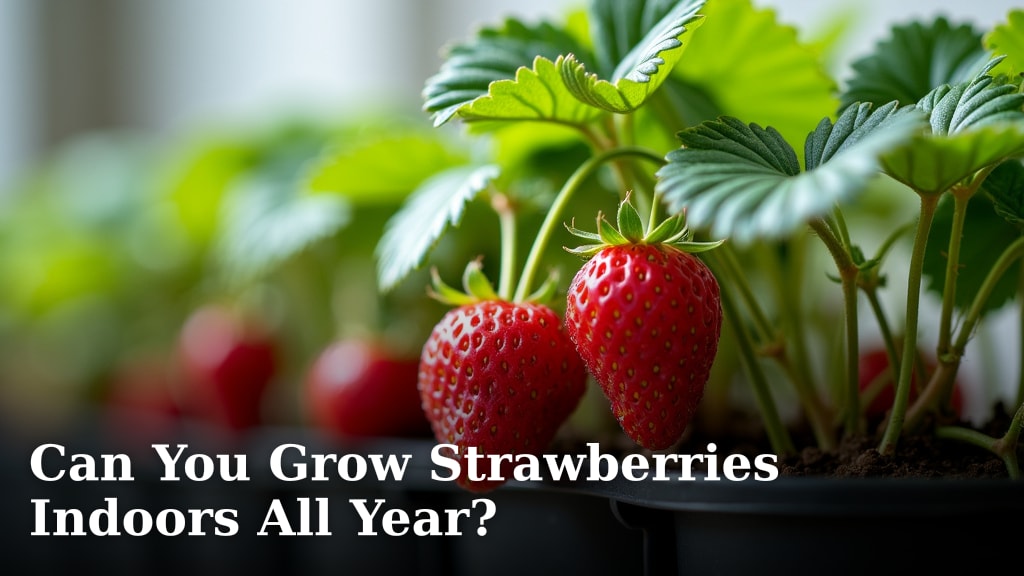
Yes, you absolutely can grow strawberries indoors all year round with the right setup. While it takes a little planning, you can enjoy fresh, sweet strawberries from your own home, no matter the season. It’s a fun project for any home gardener looking for a consistent supply of this popular fruit. We found that success hinges on a few key elements.
Many people dream of having a year-round strawberry harvest. It’s definitely possible with controlled indoor conditions that mimic nature. You’ll need to provide the right amount of light, water, and nutrients. We found that choosing the right strawberry variety is also a big help for indoor growing success.
- Growing strawberries indoors all year is possible.
- You’ll need to manage light, water, and nutrients carefully.
- Choosing the right strawberry type matters.
- Expect a rewarding harvest with a bit of effort.
Let’s walk through exactly how you can achieve your indoor strawberry-growing dreams. We’ll cover everything you need to know to get started and keep your plants producing.
Year-Round Strawberry Harvests: Bringing Your Garden Indoors
Can you grow strawberries indoors throughout the entire year? Yes, with the right techniques, you can enjoy fresh strawberries from your home no matter the season. It requires mimicking the plant’s natural needs. We found that the key lies in controlling light, temperature, and nutrients. Mimicking the plant’s natural needs is key, much like when you grow vegetables indoors year-round.
Choosing the Right Strawberry Varieties for Indoor Growing
Not all strawberry plants are created equal when it comes to indoor cultivation. Some varieties are much better suited for container gardening and consistent fruiting. You’ll want to focus on types that are known for their adaptability.
Day-Neutral Strawberries: Your Best Bet
For a continuous harvest, day-neutral varieties are the stars of the show. These types are bred to produce fruit regardless of the day length. This makes them perfect for the controlled environment of your home. We found that plants like ‘Albion’, ‘Seascape’, and ‘San Andreas’ are excellent choices for year-round production. They are less sensitive to light cycles, which simplifies your growing setup. They often produce berries within 4-6 weeks of flowering. This consistent fruiting is exactly what you want for an indoor garden.
Everbearing vs. June-Bearing: What’s the Difference?
Understanding strawberry types helps you pick the right one. June-bearing strawberries produce one large crop in late spring or early summer. They are not ideal for year-round indoor growing because of their single, season-specific harvest. Everbearing varieties produce two to three smaller crops throughout the season. This is better, but still not as consistent as day-neutrals. Day-neutral strawberries, as we mentioned, are specifically bred to flower and fruit continuously. Many experts suggest starting with day-neutrals for the most rewarding year-round experience (University of Minnesota Extension).
Essential Requirements for Your Indoor Strawberry Patch
Growing strawberries indoors means you become the master of their environment. You need to provide everything the plant would normally get from nature. This includes light, water, and the right soil.
Lighting: The Sun’s Indoor Substitute
Strawberries need plenty of light to thrive and produce fruit. Indoors, this means supplemental lighting is almost always necessary. A sunny windowsill might offer some light, but it’s usually not enough for consistent fruiting year-round. You’ll need grow lights designed for plants.
Types of Grow Lights
LED grow lights are highly recommended for indoor strawberry growing. They are energy-efficient and produce less heat than older types of lights. We found that full-spectrum LEDs mimic natural sunlight effectively. This helps the plants with both vegetative growth and fruit production. Fluorescent lights can also work, especially T5 fixtures, but LEDs often offer better intensity and efficiency. Aim for lights that provide sufficient lumens or a good Photosynthetic Photon Flux Density (PPFD) reading for fruiting plants. Many guidelines suggest at least 10-12 hours of light per day, but up to 14-16 hours can be beneficial for fruiting.
Light Placement and Duration
Position your grow lights about 6-12 inches above your strawberry plants. Adjust the height as the plants grow. Use a timer to ensure a consistent light schedule. This consistency is vital for the plants to know when to flower and produce fruit. You want to simulate long summer days for optimal production.
Watering: Finding the Right Balance
Strawberries prefer consistently moist soil, but not waterlogged. Overwatering is a common mistake that can lead to root rot. Underwatering will stress the plants and reduce fruit production.
How to Water
Check the soil moisture regularly. Stick your finger about an inch into the soil. If it feels dry, it’s time to water. Water thoroughly until you see water drain from the bottom of the pot. Discard any excess water in the saucer after about 30 minutes. This prevents the roots from sitting in water. The frequency of watering will depend on the temperature, humidity, and size of your plants and pots. In a warm indoor environment, you might need to water every few days.
Soil and Nutrients: Feeding Your Plants
Good quality potting mix is essential for indoor strawberries. Avoid using garden soil, which can be too dense and may contain pests or diseases. A well-draining potting mix designed for containers is best.
Fertilizing for Fruiting
Strawberries are relatively heavy feeders, especially when they are producing fruit. You’ll need to fertilize them regularly. Use a balanced liquid fertilizer diluted to half strength. Look for a fertilizer that has a good balance of nitrogen, phosphorus, and potassium. Many experts recommend a fertilizer with a higher phosphorus content during the fruiting stage to encourage flower and fruit development. We found that feeding your plants every 2-4 weeks during the growing season is a good general guideline. Reduce fertilization slightly in the winter if your plants slow down, but keep them consistently fed if you want year-round fruit.
Potting and Space Considerations
Where will your strawberries live? You need containers that allow for good drainage and provide enough room for the roots to grow.
Container Size and Type
Choose pots that are at least 6-8 inches deep and wide. This gives the roots enough space to spread out. Strawberry plants can also grow in hanging baskets or specialized strawberry pots with multiple openings. Ensure all containers have drainage holes at the bottom. Good drainage is non-negotiable for healthy strawberry plants.
Spacing Your Plants
If you’re planting multiple strawberries in a single larger container or a trough, give them some space. Aim for about 6-8 inches between plants. This prevents overcrowding, which can lead to poor air circulation and increased risk of diseases. Overcrowding also means more competition for light, water, and nutrients.
Pollination: The Key to Sweet Berries
This is a step many home growers overlook for indoor plants. Outdoor plants are pollinated by bees and wind. Indoors, you need to lend a hand.
Manual Pollination Techniques
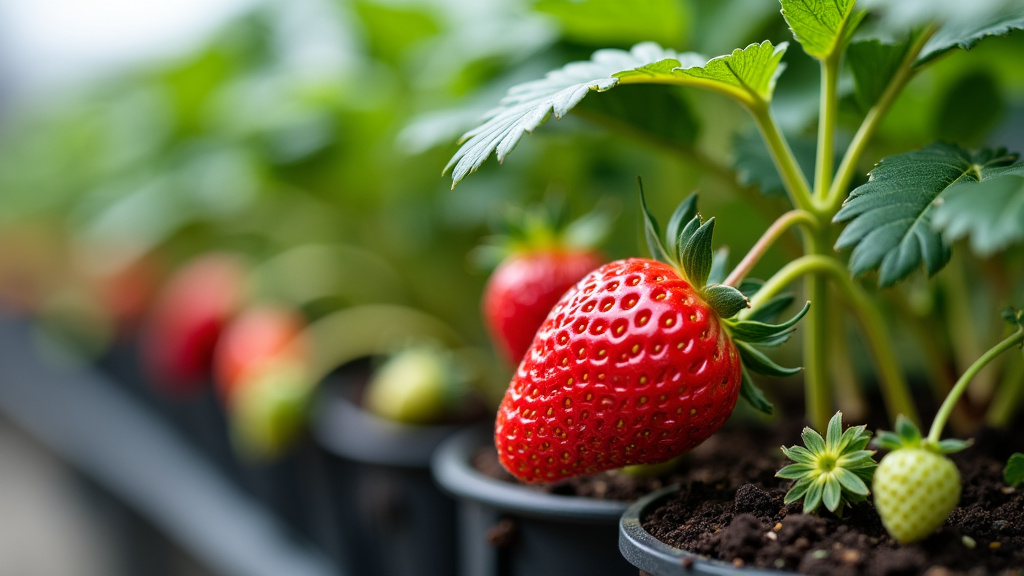
When your strawberry plants flower, you’ll need to pollinate them. This is how the flowers turn into delicious berries. A simple way is to use a small, soft brush. Gently dab the inside of each flower. This transfers pollen from the male parts to the female parts. Another method is to gently shake the plants or their flower stalks. You can also use a fan on a low setting to move air around the flowers, mimicking wind. For a more thorough job, we found using an electric toothbrush and gently touching the center of each flower can effectively transfer pollen. Many growers find this method to be very efficient.
Pest and Disease Management Indoors
Even indoors, your strawberries can sometimes face pests. Common culprits include spider mites, aphids, and fungus gnats. Good plant care is your first line of defense.
Preventative Measures
Inspect your plants regularly for any signs of pests or diseases. Keep the area around your plants clean. Ensure good air circulation by not overcrowding plants. Avoid overwatering, as this can encourage fungal diseases. If you do spot pests, try to deal with them early. Research and found that using insecticidal soap or neem oil is often effective for common indoor plant pests. Always follow product instructions carefully and test on a small part of the plant first.
A Checklist for Your Year-Round Strawberry Success
Ready to get started? Here’s a quick rundown of what you’ll need to do:
- Select day-neutral strawberry varieties.
- Choose well-draining containers at least 6-8 inches deep.
- Use a high-quality potting mix.
- Set up full-spectrum LED grow lights and a timer.
- Water consistently, allowing soil to dry slightly between waterings.
- Fertilize regularly with a balanced plant food, adjusting for fruiting.
- Hand-pollinate flowers when they appear.
By paying attention to these details, you can create a thriving indoor strawberry garden. It’s a rewarding project that offers delicious results.
Conclusion
You’ve learned that growing strawberries indoors year-round is totally achievable with a bit of planning. By selecting the right day-neutral varieties, providing consistent light with LEDs, and managing water and nutrients carefully, you can create your own indoor strawberry farm. Don’t forget the essential step of hand-pollinating your plants once they flower! Ready to taste your homegrown berries? Start by gathering your supplies and choosing your first strawberry plants. Your delicious, fresh harvest awaits!
Frequently Asked Questions
How much light do indoor strawberries really need?
Indoor strawberries need about 10-16 hours of bright light daily. Full-spectrum LED grow lights are your best bet for mimicking natural sunlight effectively. Position them 6-12 inches above your plants and use a timer for consistency.
Can I grow strawberries from seeds indoors for a year-round harvest?
While you can grow strawberries from seeds, it’s much slower and more difficult for consistent year-round fruiting. We recommend starting with established plants or runners from day-neutral varieties for a quicker and more reliable harvest.
What’s the biggest mistake beginners make with indoor strawberries?
Overwatering is a common pitfall. Strawberries like consistent moisture but hate sitting in soggy soil, which can cause root rot. Always check soil moisture by touch before watering and ensure good drainage.
How often should I fertilize my indoor strawberries?
Feed your plants every 2-4 weeks during their active growing and fruiting periods. Use a balanced liquid fertilizer diluted to half strength, especially one with higher phosphorus to encourage blooms and berries. Adjust slightly if your plants slow down in winter.
Will my indoor strawberries produce fruit if I don’t hand-pollinate?
Likely not. Without bees or wind, your strawberry flowers won’t develop into fruit on their own. Gentle manual pollination, using a soft brush or even a gentle shake, is essential for getting those delicious berries.
