Can Indoor Plants Grow with Only Artificial Light?
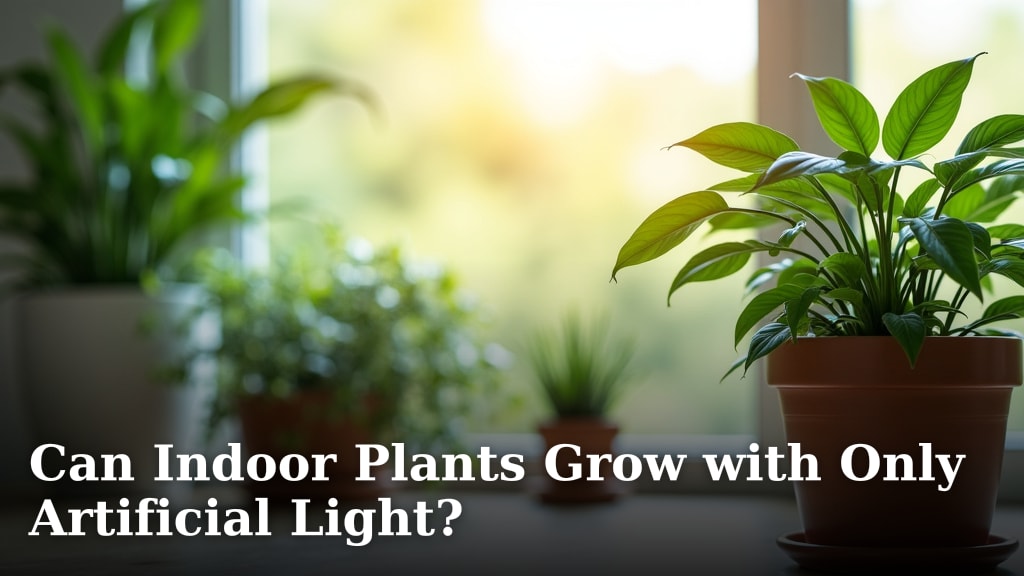
Yes, indoor plants can absolutely grow with only artificial light. Many plants thrive indoors even without natural sunlight. We’ve found that the right artificial light setup provides everything your plants need.
You don’t need a bright, sunny window to have a lush indoor garden. With modern grow lights, you can successfully cultivate a wide variety of plants. This opens up many possibilities for indoor plant enthusiasts everywhere.
- Artificial light can fully support plant growth.
- Matching light intensity to plant needs is key.
- Specific grow lights are designed for plants.
- Even sun-loving plants can grow under artificial light.
- This guide helps you choose the best setup.
So, let’s explore how you can create the perfect indoor environment for your plants, even if you lack natural light.
Thriving Indoors: Can Plants Really Grow Without Sunlight?
Yes, plants can absolutely thrive indoors with only artificial light. Many plant lovers have found great success doing this. You just need to understand some basic principles of plant lighting.
Think of artificial lights as your plant’s personal sun. You can control the light’s intensity and duration. This allows you to create ideal growing conditions, even in a windowless room.
Understanding Light: Your Plant’s Food Source
Light is more than just brightness for plants. It’s their energy source. Plants use light for photosynthesis, which is how they make their food.
Different colors within the light spectrum play different roles. For example, blue light helps with leafy growth. Red light encourages flowering and fruiting.
The Science Behind Plant Light Needs
Plants have evolved to use specific wavelengths of light. This is why a simple desk lamp isn’t enough for most plants. You need lights designed for plant growth.
We’ve found that lights providing a full spectrum are often best. This means they mimic natural sunlight as closely as possible.
Choosing the Right Artificial Light for Your Plants
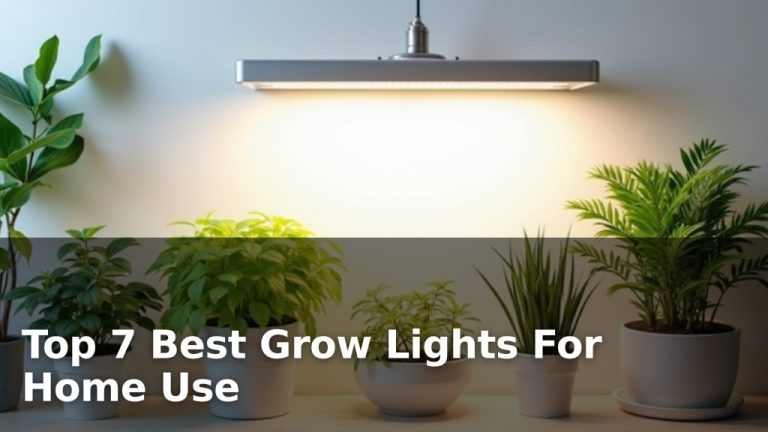
Selecting the correct grow light is the most important step. There are several types available, each with pros and cons. Your choice will depend on your plants and your budget.
Consider the light’s intensity, spectrum, and energy efficiency. These factors directly impact your plant’s health and growth.
Popular Types of Grow Lights
Let’s look at the most common options you’ll encounter:
- LED Grow Lights: These are very popular. They are energy-efficient and long-lasting. LEDs also allow for fine-tuning the light spectrum.
- Fluorescent Lights (T5, T8): A good choice for seedlings and leafy greens. They are less expensive upfront. However, they are not as powerful as LEDs for larger, flowering plants.
- High-Intensity Discharge (HID) Lights: These include Metal Halide (MH) and High-Pressure Sodium (HPS). They are very powerful. HIDs are often used for large-scale growing operations. They produce more heat and use more energy.
Here’s a quick comparison to help you decide:
| Light Type | Pros | Cons | Best For |
|---|---|---|---|
| LED | Energy efficient, long lifespan, tunable spectrum, low heat | Higher initial cost | All plant stages, most indoor plants |
| Fluorescent | Lower initial cost, low heat, good for beginners | Less intense, shorter lifespan than LED | Seedlings, leafy greens, low-light plants |
| HID | Very high intensity, fast growth | High heat, high energy use, specific fixtures needed | Flowering plants, large-scale operations |
Setting Up Your Grow Light System
Once you have your lights, proper setup is key. This involves positioning the lights correctly and setting a consistent schedule.
Think about height, duration, and light intensity. These elements work together to support your plants.
Light Placement and Distance
The distance between your light and your plants matters a lot. Too close, and you risk burning the leaves. Too far, and your plants won’t get enough energy.
A good rule of thumb is to start with your light higher. Then, slowly lower it until you see your plants respond positively. LED lights can be closer than HIDs, for example, due to less heat output.
Many experts recommend checking the manufacturer’s guidelines for specific distances. This helps prevent issues.
Light Duration: How Long Should Lights Be On?
Plants need a “day” and “night” cycle. They can’t be under light 24/7. Most plants require 12-16 hours of light per day, followed by a period of darkness (University of California Agriculture and Natural Resources).
The dark period is crucial for plants to process the energy they’ve absorbed. It’s like sleeping for us humans.
Using a timer can simplify this process. It ensures your plants get a consistent schedule, which they love.
Matching Light to Plant Needs
Not all plants have the same light requirements. A desert cactus needs different light than a tropical fern. Understanding your plant’s natural habitat helps.
You’ll want to group plants with similar light needs together. This makes managing your grow lights much easier.
High-Light vs. Low-Light Plants
Some plants are considered “high-light” plants. These include succulents, cacti, and many flowering plants. They need brighter, more intense light.
Other plants, like peace lilies or pothos, are “low-light” tolerant. They can do well with less intense artificial light. Research your specific plant’s needs before setting up.
Adjusting for Growth Stages
Plant light needs can change as they grow. Seedlings often prefer less intense light. Flowering plants typically need more intense light to produce blooms or fruit.
You might need to adjust the light height or intensity. This is part of being a responsive plant parent.
Beyond Light: Other Factors for Indoor Plant Success
While light is central, other elements are still important. Don’t neglect these aspects for truly thriving indoor plants.
- Watering: Proper watering is essential. Overwatering is a common killer of indoor plants.
- Nutrients: Plants need food. Fertilize regularly during the growing season.
- Temperature and Humidity: Most indoor plants prefer consistent temperatures. Humidity levels can also impact health.
- Air Circulation: Good airflow helps prevent fungal diseases. A small fan can help.
- Pest Management: Keep an eye out for pests. Early detection makes treatment easier.
Troubleshooting Common Light-Related Issues
Even with the best setup, you might encounter issues. Learning to read your plant’s signals is key to fixing them.
Signs of Too Little Light
If your plants aren’t getting enough light, you might see them becoming “leggy.” This means long, stretched-out stems with sparse leaves. They are reaching for more light.
Other signs include pale green leaves, slow growth, or failure to flower. If you see these, move your light closer or increase the duration.
Signs of Too Much Light
Too much light can also harm plants. Leaves might look scorched, bleached, or develop brown spots. They might also turn yellow or white directly under the light.
If you notice these symptoms, raise your grow light. Or, consider reducing the light duration slightly.
You can absolutely succeed in growing indoor plants with only artificial light. It takes some planning and understanding of your plant’s needs. But the rewards of lush, happy plants are well worth the effort.
Conclusion
You’ve seen that growing plants indoors with only artificial light is not just possible, but highly effective. By understanding light types, proper placement, and your plants’ specific needs, you can create a thriving indoor garden. We’ve covered how to choose the right grow lights and set up a schedule that mimics nature. With a little attention to detail, you’ll provide your plants with everything they need to flourish.
Now, take what you’ve learned and start building your ideal indoor plant haven. Your plants (and your green thumb) will thank you!
Frequently Asked Questions
Can a regular lamp be used as a grow light?
While a regular lamp provides some light, it typically lacks the specific spectrum and intensity plants need for photosynthesis. You’ll likely see leggy growth and poor health. Dedicated grow lights are designed to mimic the sun’s beneficial wavelengths for robust plant growth.
How can I tell if my plant is getting enough light?
Look for signs like stretched-out stems and small, pale leaves, which indicate too little light. If leaves appear scorched, bleached, or develop brown spots directly under the light, your plant might be getting too much. Adjust your light’s distance or duration based on these visual cues.
Do plants need darkness when growing under artificial lights?
Yes, plants absolutely need a period of darkness. This “night” cycle is crucial for them to process energy, metabolize nutrients, and perform other vital functions. Most plants thrive with 12-16 hours of light followed by 8-12 hours of darkness.
Is it more expensive to grow plants with artificial light?
The initial cost for grow lights can be an investment, especially for high-quality LED setups. However, modern LED lights are very energy-efficient, which can keep your electricity bills manageable over time. The cost varies significantly based on the type and number of lights you choose.
Can all types of plants grow under artificial light?
Most indoor plants can adapt well to artificial light, from leafy greens and herbs to many flowering varieties and even some fruit-bearing plants. The key is matching the light’s intensity and spectrum to the specific needs of your chosen plant. Some sun-loving plants may require very powerful grow lights.