How to Increase Humidity for Indoor Plants?
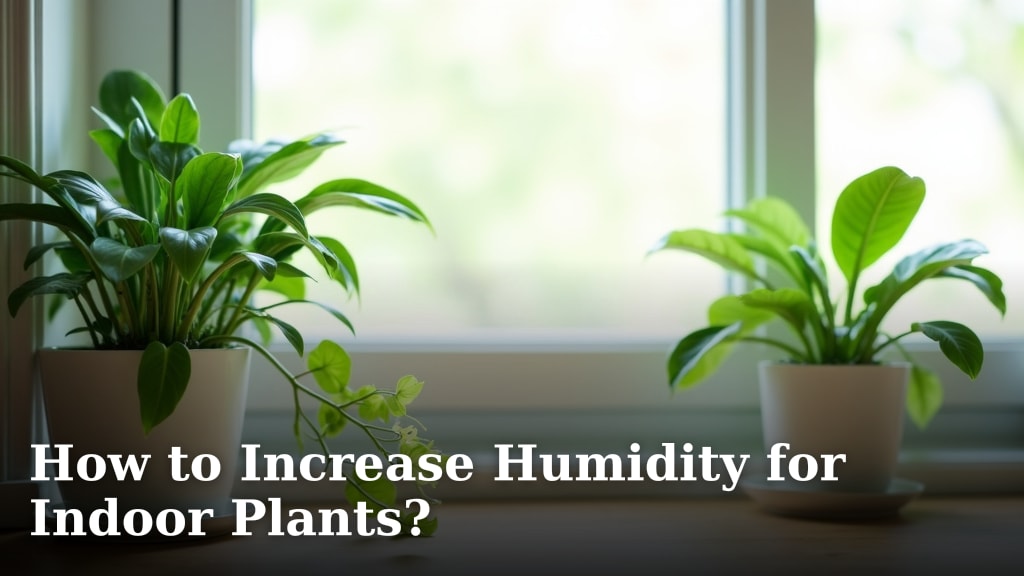
The easiest way to increase humidity for indoor plants is by grouping them together, using pebble trays, or running a humidifier. These methods help create a microclimate around your plants. We found these techniques are effective for most houseplants.
Many common houseplants come from tropical regions. They thrive in muggy air, unlike the dry air often found inside our homes. Low humidity can cause leaf tips to brown and even stunt growth. You want happy plants, right?
- Group plants to create a humid microclimate.
- Use pebble trays to add moisture to the air.
- Invest in a humidifier for consistent humidity.
- Mist plants as a temporary, enjoyable boost.
- Understand common signs of low humidity.
Let’s walk through exactly how to increase humidity for indoor plants, step by step, so your green friends can truly flourish.
Boosting Humidity for Your Indoor Plants
Making sure your tropical plants get enough humidity is a game-changer. It helps them stay vibrant and grow strong. Let’s look at the best ways to keep your leafy friends happy and thriving.
Group Your Plants Together
This is one of the simplest and most effective tricks. When plants are close, they create a tiny cloud of moisture.
As each plant releases water vapor through its leaves (a process called transpiration), this moisture gets trapped. It builds up around the group, making a more humid bubble for all of them.
Choosing the Right Spot
Think about where you put your plants. A crowded shelf can be better than plants spread out in different corners. We found that even putting two or three plants near each other makes a difference.
- Place plants close enough so their leaves almost touch.
- Avoid placing them near drafts from windows or air vents. This will dry out the air too quickly.
- Consider putting them on a plant stand or small table to keep them out of direct cold floor drafts.
Use Pebble Trays for Constant Moisture
Pebble trays are a classic method. They work by increasing the surface area for water to evaporate, boosting humidity right where your plants need it.
You can buy these at garden stores or make your own. They’re easy and fairly low-maintenance.
Setting Up a Pebble Tray
Find a shallow tray that is wider than your plant’s pot. We found that a baking sheet works well in a pinch. Fill it with a layer of pebbles or small stones.
Pour water into the tray until it’s just below the top of the pebbles. Make sure the bottom of your plant pot isn’t sitting directly in the water. We want the water to evaporate, not for your plant to get root rot!
As the water evaporates, it adds humidity to the air around your plant. You’ll need to refill the water every few days, depending on how dry your home is.
Invest in a Humidifier
For serious humidity issues or a large collection of plants, a humidifier is your best friend. This offers the most consistent and controllable way to increase air moisture.
Humidifiers come in different sizes and types. You can choose from cool mist or warm mist models. We found cool mist humidifiers are generally safer around plants and pets (CDC).
Selecting the Right Humidifier
Consider the size of your room. A small, personal humidifier might be enough for a few plants in a bedroom. A larger whole-room unit would be better for a living room full of plants.
| Humidifier Type | Pros | Cons |
|---|---|---|
| Cool Mist | Energy efficient, safe for children/pets, good for plants | Can release white dust if using hard water, regular cleaning needed |
| Warm Mist | Boils water (kills bacteria), no white dust, can feel cozier | Uses more energy, hot water can be a burn risk, not recommended for plants in close proximity due to potential leaf burn |
| Ultrasonic | Very quiet, energy efficient, fine mist | Can also produce white dust, requires distilled water for best results, regular cleaning is vital |
Place the humidifier near your plants, but not so close that the mist directly wets the leaves for long periods. You want the air around them to be moist, not the plants themselves to be soaked. Many experts suggest keeping plants a few feet away from the direct stream (NCBI).
Misting Plants (Temporary Boost)
Misting is a popular method, and it feels good to do. You can use a spray bottle to spray a fine mist of water onto your plant’s leaves. It gives a quick, noticeable boost to humidity.
However, we found it’s not a long-term solution. The moisture evaporates quickly, so the effect is very brief. Think of it as a nice snack, not a full meal, for your plants.
Best Practices for Misting
Use lukewarm, filtered water. Cold tap water can shock your plant. Misting first thing in the morning is best. This allows the water to evaporate throughout the day. It helps prevent fungal issues that can arise from water sitting on leaves overnight.
Not all plants like misting. Plants with fuzzy leaves (like African Violets) can develop spots or rot if constantly wet. Always research your specific plant’s preferences.
Creating a Mini Greenhouse Effect
For plants that need very high humidity, you can create a small, enclosed space. This traps moisture and makes a humid environment.
This works well for finicky plants like ferns or orchids. It’s like building a personal spa for your plant.
Terrariums and Cloches
A terrarium is a sealed or partially sealed container that creates its own mini ecosystem. You can plant small, humidity-loving plants inside them.
A cloche is a bell-shaped glass cover. You can place it over a single plant to trap humidity. Just remember to lift it occasionally for airflow to prevent mold and mildew.
Understanding Signs of Low Humidity
How do you know if your plants need more humidity? Your plants will often tell you.
Look closely at their leaves and their overall health. They usually don’t keep secrets!
Visual Cues
- Crispy Leaf Tips: Often the first sign. The edges or tips of leaves turn brown and feel dry, even if you are watering correctly.
- Slowed Growth: Plants might not grow as quickly or as lushly as they should.
- Drooping Leaves: Sometimes, plants can look generally unhappy or limp.
- Stunted Flowers or Buds Failing to Open: Humidity is crucial for flowering plants.
- Increased Pest Activity: Some pests, like spider mites, thrive in dry conditions. They are less common in humid air.
Checklist for Humidity Helpers
Ready to boost your plant’s happiness? Here’s a quick checklist:
- Group your plants closely.
- Set up pebble trays under moisture-loving plants.
- Consider a small room humidifier.
- Mist plants early in the day (if they like it).
- Explore terrariums for sensitive plants.
- Monitor leaf tips for browning.
Conclusion
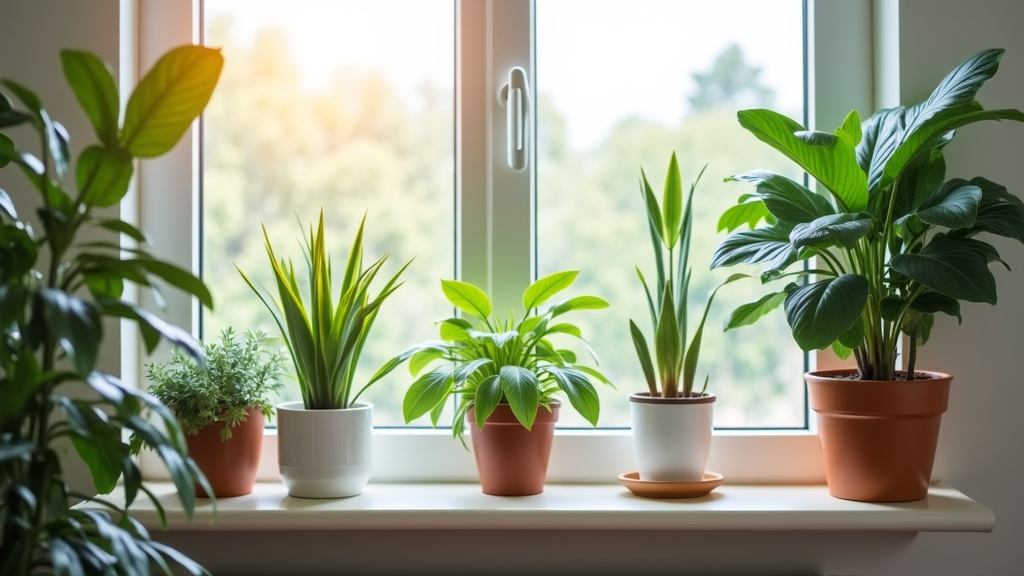
You now have several effective strategies to create a healthier, happier environment for your humidity-loving houseplants. From arranging your plants in cozy groups to setting up simple pebble trays, or even investing in a humidifier for widespread coverage, each method contributes to their well-being. Look for those tell-tale crispy leaf tips. By being attentive to your plant’s needs and taking these simple steps, you’ll see them thrive and flourish, bringing more life and beauty into your home. Start with one suggestion and see the difference!
Frequently Asked Questions
What’s the ideal humidity range for most indoor plants?
Most common houseplants, especially those from tropical regions, prefer a humidity level between 50% and 70%. We found this range significantly prevents common issues like brown leaf tips and encourages robust growth.
Can increasing humidity attract pests to my plants?
While some pests, like fungus gnats, prefer moist conditions, they are usually a sign of overwatering. Increasing air humidity doesn’t directly cause most plant pests. In fact, pests like spider mites actually thrive in dry air, so higher humidity can help deter them.
How often should I check the humidity level around my plants?
It’s a good idea to check daily if you’re using methods like pebble trays or misting, as water evaporates quickly. If you have a humidifier, you might check it a few times a week. Many humidifiers have built-in hygrometers to help you monitor.
Is distilled water necessary for humidifiers or misting?
Using distilled or filtered water is highly recommended, especially with humidifiers. Tap water contains minerals that can leave white dust on plants and furniture. These minerals can also build up in your humidifier, reducing its efficiency and lifespan.
Can too much humidity be bad for my plants?
Yes, excessive humidity (above 80% for prolonged periods) can sometimes lead to issues. It can encourage fungal or bacterial diseases if there isn’t enough air circulation. Always ensure good airflow around your plants, even in high-humidity environments.