How to Get Rid of Gnats in Indoor Plant Soil?
To get rid of gnats in indoor plant soil, your best bet is typically to use Yellow Sticky Traps and to allow the soil to dry out between waterings. This two-pronged approach tackles adult gnats and disrupts their breeding cycle.
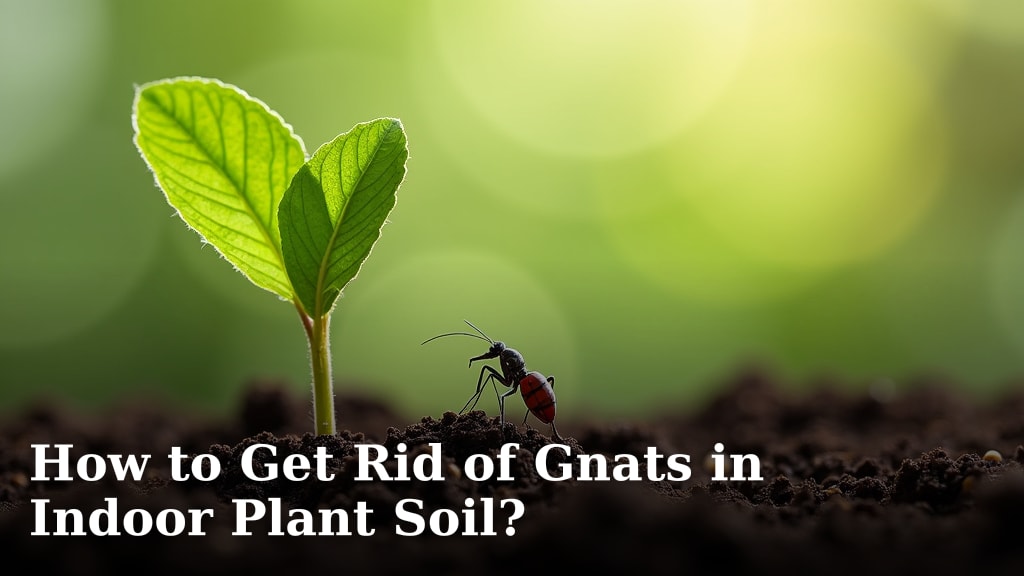
These tiny pests, also known as fungus gnats, love moist soil environments. If you’ve suddenly noticed bothersome gnats flying around your houseplants, it’s a sure sign they’ve found a happy home. We found that addressing both the adult gnats and their larvae is key for effective control.
- Identify fungus gnats.
- Use yellow sticky traps.
- Adjust your watering habits.
- Consider natural remedies.
- Prevent future infestations.
Let’s walk through how you can effectively eliminate these annoying little invaders and keep your plants happy and gnat-free.
Tackling Gnat Infestations in Your Indoor Plants
Finding tiny flies flitting around your beloved houseplants can be annoying. These little pests are almost certainly fungus gnats. Understanding their lifecycle is the first step to getting rid of them.
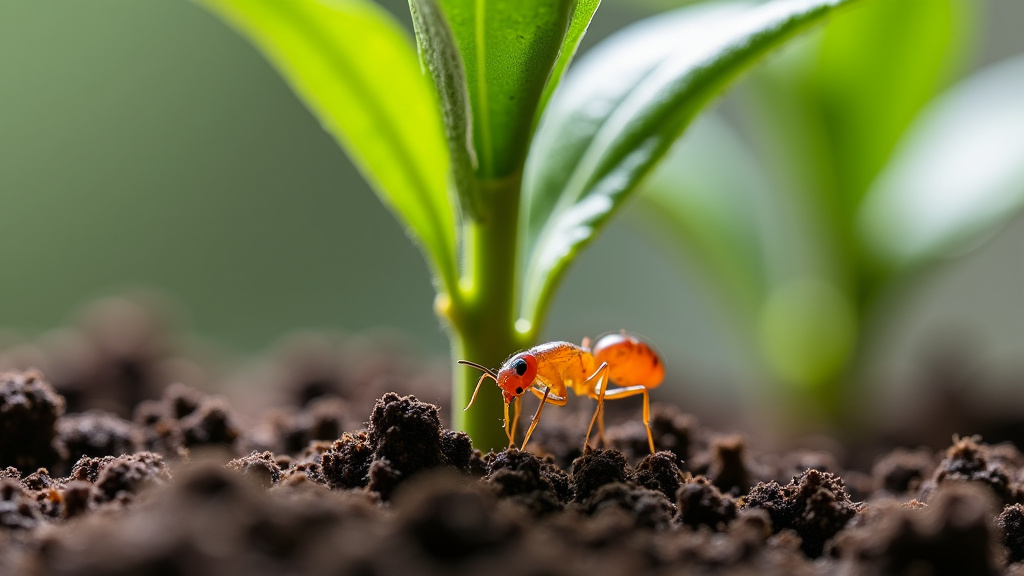
Fungus gnats are small, dark, mosquito-like insects. They are usually about 1/8 of an inch long. You’ll often see them flying around the soil surface or resting on plant leaves. Their larvae, however, are the real problem. They live in the soil and feed on organic matter, and sometimes even plant roots (University of California Agriculture & Natural Resources).
Identifying Fungus Gnats vs. Other Pests
Are you sure it’s a fungus gnat? Sometimes, other small flying insects can be mistaken for them. Let’s make sure you’re targeting the right culprit.
What Fungus Gnats Look Like
Fungus gnats are typically black or dark brown. They have delicate wings and long antennae. They fly in a rather clumsy, erratic way. You might describe it as a “drunk flight.”
Comparing to Fruit Flies
Fruit flies are often confused with fungus gnats. Fruit flies are usually tan or orange. They are attracted to decaying fruit and fermented items. You’ll find them mostly in your kitchen, not usually buzzing around your plant’s soil.
Comparing to Drain Flies
Drain flies are fuzzy and dark gray or black. They have a distinct heart shape when their wings are at rest. You’ll find them near drains, obviously. They prefer moist, slimy environments and don’t bother your plants.
Your First Line of Defense: Traps and Watering Adjustments
Once you’ve confirmed you have fungus gnats, it’s time to act. We found that a two-pronged approach works best. You need to control the adults and disrupt the breeding cycle.
Yellow Sticky Traps for Adult Gnats
These traps are incredibly effective for catching adult fungus gnats. Adult gnats are drawn to bright yellow. They land on the sticky surface and get stuck. This prevents them from laying more eggs.
- Place several traps directly in the soil or hang them near affected plants.
- Replace them regularly as they fill up with gnats.
- Sticky traps won’t solve the problem completely, but they greatly reduce the adult population. Less adults mean fewer eggs are laid.
Adjusting Your Plant Watering Habits
This is arguably the most crucial step. Fungus gnats thrive in wet soil. Their larvae need consistently moist conditions to survive and develop. If you let the soil dry out, they can’t make a home there.
- Water less frequently. Only water when the top 1-2 inches of soil are dry. You can check this by sticking your finger into the soil.
- Avoid overwatering. Don’t let your plants sit in standing water. Always empty drip trays after watering.
- Bottom watering: Consider watering your plants from the bottom. This allows the plant to take up only what it needs, and the top layer of soil stays drier. This setup naturally makes the environment less attractive for gnats.
Natural and Home Remedies for Gnat Control
After adjusting your watering and setting traps, you might still need a little extra help. Many natural remedies can be quite effective. We gathered some popular and well-regarded solutions.
Diatomaceous Earth (DE)
This is a natural, powdery substance made from the fossilized remains of diatoms. It works by physically damaging the exoskeletons of insects. It’s safe for pets and humans when used as directed (EPA).
- Sprinkle a thin layer of food-grade DE over the soil surface.
- When gnats or larvae crawl over it, it dehydrates and kills them.
- Reapply after watering, as water makes it less effective.
Apple Cider Vinegar Traps
This is a simple DIY trap you can set up. It primarily targets the adult gnats.
- Mix apple cider vinegar, a few drops of dish soap, and water in a small dish.
- Place it near your plants. The gnats are attracted to the vinegar, and the soap breaks the surface tension, so they drown.
- This won’t kill larvae, but it helps reduce the flying adults.
Neem Oil Solution
Neem oil is a natural insecticide derived from the neem tree. It disrupts insect growth and feeding.
- Mix neem oil with water and a small amount of mild soap, according to package directions.
- Spray the soil surface with this solution.
- It can help control both adult gnats and larvae in the soil.
- Some people also use a diluted neem oil solution to water their plants.
Hydrogen Peroxide Drench
Hydrogen peroxide can be an effective way to kill gnat larvae in the soil. It works by oxidizing and killing the larvae on contact. We found that many plant enthusiasts swear by this method.
- Mix one part 3% hydrogen peroxide with four parts water.
- Water your plants with this solution. You’ll see some fizzing as it contacts organic matter. This is normal.
- Avoid using this too often, as it can be harsh on beneficial soil microbes if overused. It’s usually a one-time intensive treatment.
Creating a Gnat-Hostile Environment
Preventing future infestations is easier than treating existing ones. Think about what makes your plant soil appealing to gnats and change it. Gnats are opportunists!
Top Dressing with Sand or Grit
Adding a layer of sand, fine gravel, or decorative pebbles to the top of your soil can create a physical barrier. Gnats struggle to lay eggs through this dry, abrasive layer.
- Add a 1/2 to 1-inch layer of sand or decorative pebbles.
- Ensure the layer is consistently dry.
- This won’t kill existing larvae, but it stops new eggs from being laid.
Sterilizing Potting Mix
Sometimes, fungus gnat eggs or larvae come in with new potting soil. Reputable soil brands often sterilize their soil. However, if you mix your own or buy from a bulk source, this can be a risk, according to gardening experts (The Old Farmer’s Almanac).
- If you suspect your soil, bake it in the oven at 180-200°F (82-93°C) for 30 minutes. Let it cool completely.
- This kills any pests or pathogens. Your kitchen will smell- so you might open a window.
When to Consider Chemical Solutions
For most indoor plant gnat issues, natural methods usually work well. For severe, persistent infestations, you might consider insecticidal products. These products are usually applied as a soil drench.
Always read and follow product instructions carefully. Ensure the product is safe for indoor use and for plants you plan to keep inside your home. Many sources recommend prioritizing biological controls and environmental adjustments before resorting to chemical insecticides.
Your Gnat-Free Plant Checklist
Keep this checklist handy to maintain a gnat-free home for your plants:
- Use yellow sticky traps to catch adult gnats.
- Let the top 1-2 inches of soil dry out between waterings.
- Apply diatomaceous earth to the soil surface.
- Consider a hydrogen peroxide soil drench for severe cases.
- Add a top layer of sand or fine gravel to prevent egg-laying.
- Always inspect new plants and sterilize new potting mix if unsure.
Conclusion
You now have a robust arsenal to combat those annoying gnats in your indoor plants. By consistently using yellow sticky traps and strategically adjusting your watering habits, you’ll tackle the adult population and dry out their breeding grounds. Remember, patience and consistency are key. Integrating natural remedies like diatomaceous earth or neem oil, and maintaining a gnat-hostile environment, will keep your leafy friends thriving and your home blissfully gnat-free. Take action today, and you’ll be enjoying your plants without those tiny invaders.
Frequently Asked Questions
Can fungus gnats harm my plants?
While adult fungus gnats are mostly just a nuisance, their larvae can cause damage to plant roots, especially in seedlings or young plants. They feed on organic matter in the soil and, in severe infestations, can munch on delicate root hairs, leading to stunted growth or wilting.
How long does it take to get rid of fungus gnats completely?
Patience is important. Eliminating fungus gnats can take anywhere from a few weeks to a month or more, depending on the severity of the infestation. You need to break their life cycle, which involves controlling adults and killing larvae. Consistent application of treatments will yield the best results.
Do all houseplants get fungus gnats?
No, not all houseplants are equally susceptible. Plants that prefer consistently moist soil, like ferns or peace lilies, are more prone to fungus gnat infestations. Cacti and succulents, which thrive in dry conditions, are rarely affected unless they are severely overwatered.
Are fungus gnats harmful to humans or pets?
Fortunately, fungus gnats are not harmful to humans or pets. They don’t bite, transmit diseases, or infest food. They are primarily just a nuisance pest for you and a potential stressor for your plants. Most natural remedies used to control them are also safe for your household.
Should I repot my plant to get rid of gnats?
Repotting can be an effective way to remove gnat larvae and eggs, especially if the infestation is severe and other methods haven’t worked. Ensure you discard the old soil completely, clean the pot thoroughly, and use fresh, sterile potting mix. This gives your plant a fresh start.