Why Are My Indoor Plant Leaves Turning Yellow?
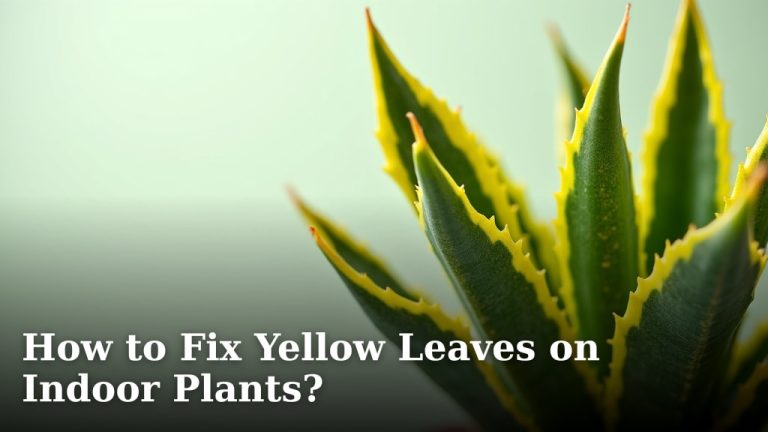
Your indoor plant leaves are turning yellow primarily due to environmental stress or improper care. This color change, known as chlorosis, often signals that your plant isn’t getting what it needs to produce chlorophyll, which is essential for its health.
You might notice your plant’s once vibrant green leaves starting to fade, becoming pale yellow before potentially turning brown. This isn’t just a cosmetic issue; it’s a clear sign your plant is crying for help! It indicates problems like incorrect watering, nutrient deficiencies, or even pests that need your attention.
- Too much or too little water.
- Lack of essential nutrients.
- Insufficient or excessive light.
- Pest infestations.
- Changes in temperature or humidity.
Let’s walk through the most common reasons your plant leaves are turning yellow and what you can do about it, step by step.
What’s Causing Your Plant’s Leaves to Lose Their Green?
When your indoor plant leaves turn yellow, it’s a clear signal that something in its environment or care routine isn’t quite right. We’ve gathered information from horticultural experts to break down the most common culprits and help you become a plant-whisperer.
Water Woes: Too Much or Too Little?
Watering is often the trickiest part of plant care. It’s a common area where plant parents, even experienced ones, can go wrong. Think of it like Goldilocks: your plant needs just the right amount, not too much and not too little.
Overwatering: The Silent Killer
You might be surprised to learn that overwatering is a top cause of yellowing leaves. When a plant gets too much water, its roots can’t breathe. They essentially drown, leading to root rot (National Gardening Association).
Signs of overwatering include soil that stays soggy, leaves that are yellow and droopy, and sometimes a foul smell from the soil. The lower leaves often turn yellow first and then fall off. It’s a distress signal for sure.
Underwatering: Thirsty Frustration
On the flip side, underwatering causes stress too. If your plant isn’t getting enough moisture, it will start to conserve water by shedding leaves. These leaves often turn yellow, then crispy, and finally brown before falling off.
You’ll notice the soil is dry and hard. The plant might look generally wilted. It’s like neglecting to give your pet water; they’ll get thirsty and show it.
The Light Equation: Finding the Sweet Spot
Light is food for plants. Just like us, they need the right amount to thrive. Too much or too little light can lead to chlorosis.
Not Enough Light: A Slow Starvation
Lack of light means your plant can’t perform photosynthesis effectively. This is the process where they create their food. If they can’t make food, they redirect energy from older leaves to new growth. This causes older leaves to turn yellow and drop off (American Horticultural Society).
You might see yellowing on the side of the plant furthest from the window. Or the plant might look spindly with pale yellow leaves overall.
Too Much Light: A Sunburn Surprise
Yes, plants can get sunburned! Direct, intense sunlight can be too much for some indoor plants, especially those that naturally grow in shadier environments. This often results in a bleached, pale yellow, or even white appearance on leaves directly exposed to the sun.
Sometimes, leaves will develop crispy brown spots alongside the yellowing. It’s like leaving your skin out in the sun without protection.
Nutrient Deficiencies: A Hungry Plant
Plants need a balanced diet, just like we do. If they’re missing key nutrients, they can’t produce the chlorophyll that keeps them green.
Many experts agree that nitrogen deficiency is a common culprit for yellowing leaves (University of California Ag & Natural Resources). Nitrogen is vital for chlorophyll production.
A plant lacking nitrogen will typically show yellowing on older, lower leaves first. The veins might remain greener than the leaf tissue. Other deficiencies, like iron or magnesium, can also cause yellowing, often starting on newer leaves with green veins.
Pest Patrol: Unwanted Guests
Tiny invaders can cause big problems. Pests like spider mites, aphids, and mealybugs feed on plant sap, draining the life out of your leaves. This damage disrupts the plant’s ability to create chlorophyll, leading to yellowing.
You might see small spots of yellow, a sticky residue, or even the pests themselves on the undersides of leaves or along stems. Always inspect your plants closely, especially if you notice sudden changes.
Environmental Stressors: Temperature and Humidity Swings
Plants prefer consistent conditions. Sudden changes can send them into shock, and yellow leaves are a common symptom.
Temperature Extremes
A draft from a window or a vent can seriously stress your plant. Cold temperatures can cause leaves to wilt and turn yellow. Conversely, too much heat can also lead to similar symptoms, as the plant struggles to regulate itself.
Humidity Hurdles
Many popular houseplants are tropical and love high humidity. If your home is very dry, especially in winter when heaters are running, your plants might suffer. Yellowing leaf tips and edges, sometimes turning brown and crisp, can be a sign of low humidity.
Natural Aging: Part of the Life Cycle
Sometimes, yellowing leaves are simply a sign of old age. Plants shed their oldest leaves as new ones grow. It’s a completely normal process and nothing to worry about if it’s just a few bottom leaves turning yellow and falling off.
Look for this pattern: only a small number of older leaves (usually at the very bottom) turn yellow, while the rest of the plant looks healthy and continues to produce new green growth. This is your plant’s way of recycling nutrients.
Fertilizer Overload: Too Much of a Good Thing
While nutrient deficiencies cause yellowing, so can too much fertilizer. This is called “fertilizer burn.” Excess salts build up in the soil, which can damage the roots and prevent the plant from absorbing water effectively.
Symptoms include yellowing leaves that might also have brown tips, and sometimes a white crust on the soil surface. It’s like giving yourself too much medicine; it can do more harm than good.
How to Diagnose and Treat Yellow Leaves: A Quick Checklist
Feeling a bit overwhelmed? Don’t worry! Here’s a simple checklist to help you narrow down the problem and take action.
- Check Soil Moisture: Is it bone dry or soaking wet? Adjust watering habits immediately.
- Inspect for Pests: Look closely at the undersides of leaves and stems for tiny critters.
- Assess Light: Is your plant getting too much direct sunlight or not enough indirect light? Move its location if needed.
- Consider Temperature & Humidity: Is it near a draft or a heater? Could the air be too dry?
- Evaluate Feeding Habits: When was your plant last fertilized? Could it be under or over-fed?
Troubleshooting Table: Yellowing Leaf Symptoms and Solutions
To help you put it all together, we’ve created a quick reference guide. Use this table to match your plant’s symptoms with potential causes and solutions.
| Symptom | Likely Cause | What to Do |
|---|---|---|
| Yellow, droopy leaves; soggy soil | Overwatering, poor drainage | Reduce watering frequency; ensure pot has drainage holes; consider repotting with fresh, well-draining soil. |
| Yellow, crispy leaves; dry soil | Underwatering | Water thoroughly until water drains from the bottom; increase watering frequency. |
| Older, lower leaves yellowing and dropping | Underwatering, Nutrient Deficiency (Nitrogen), Natural Aging, Lack of Light | Check soil moisture; fertilize gently; move to brighter spot; prune naturally aged leaves. |
| Newer leaves yellowing with green veins | Nutrient Deficiency (Iron, Magnesium) | Use a balanced fertilizer, or one specific for micronutrients. |
| Yellow or bleached spots, crispy edges | Too much direct sunlight (sunburn) | Move plant to a spot with indirect or filtered light. |
| Overall pale yellow, slow growth | Lack of light, Nutrient Deficiency | Move to a brighter spot; fertilize with a balanced food. |
| Small yellow spots, sticky residue, tiny bugs | Pest Infestation | Identify pest; treat with insecticidal soap or neem oil; isolate affected plant. |
| Yellow leaves, often with brown tips; white crust on soil | Fertilizer Burn | Flush soil with plain water; avoid over-fertilizing; reduce feeding frequency. |
Conclusion
Seeing yellow leaves on your indoor plants is a clear signal that something needs adjusting in their environment or care routine. You’ve now learned that yellowing can stem from various issues, from too much or too little water and light to nutrient imbalances or even pests. The key takeaway is to observe your plant closely and use the provided signs to pinpoint the exact cause.
Don’t get discouraged! Most yellow leaf problems are easily fixable once you understand the root cause. Take action by adjusting one factor at a time, and you’ll soon see your green companions thrive once more.
Frequently Asked Questions
Should I remove yellow leaves from my plant?
Yes, you generally should remove yellow leaves. They won’t turn green again and are essentially draining energy from the plant. Carefully snip them off with clean scissors or pinch them off at the stem.
How quickly can yellow leaves recover once the problem is fixed?
Once you address the underlying issue, new leaves should grow in green and healthy. However, leaves that have already turned yellow will not recover their green color. It might take a week or two to see new, healthy growth appearing.
Can moving a plant cause its leaves to turn yellow?
Yes, plants can experience stress from relocation, sometimes called “transplant shock.” A sudden change in light, temperature, or humidity in a new spot can cause some leaves to yellow and drop. Give your plant time to acclimatize to its new home.
Is it possible for a plant to have multiple causes for yellowing leaves?
Absolutely. Your plant might be suffering from both underwatering and a pest infestation, for example. Always go through the full checklist to identify all potential issues and address them systematically for the best chances of recovery.
How do I prevent yellow leaves from happening again in the future?
Consistent care is key. Establish a regular watering schedule based on your plant’s needs, provide appropriate light, maintain stable temperatures, and fertilize correctly. Regular inspection for pests will also help you catch problems early.